

 Post a comment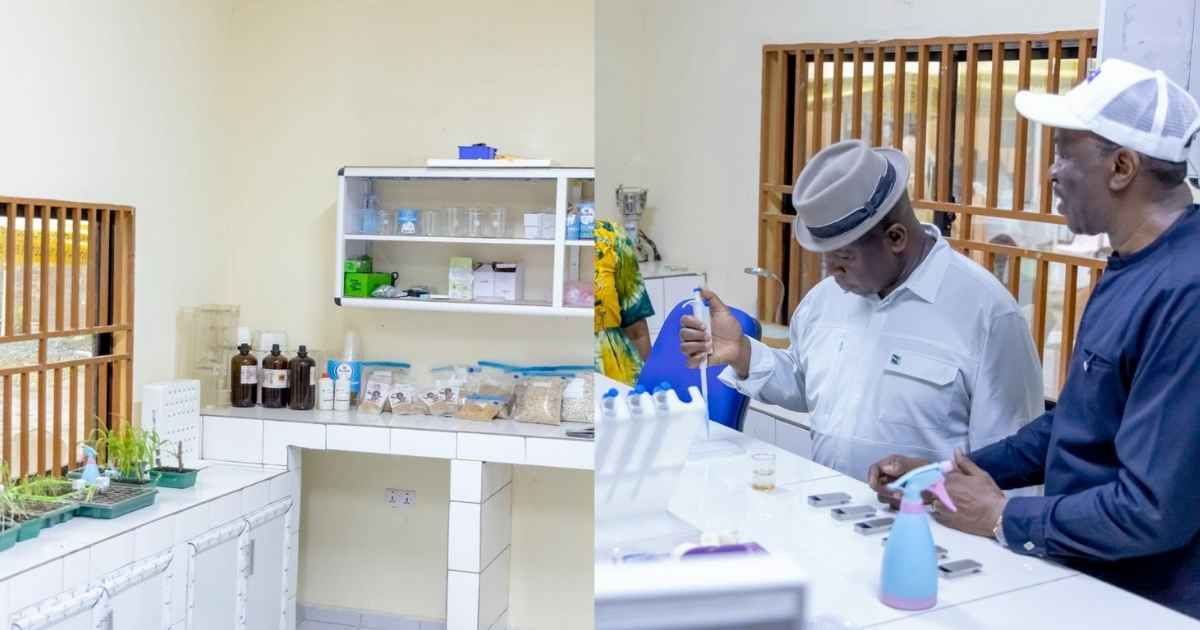
President Dr. Julius Maada Bio officially inaugurated the National Seed Testing Laboratory at Mile 91 on Friday, calling it a “practical pillar” of the government’s flagship “Feed Salone” strategy aimed at achieving national food self-sufficiency.
The new state-of-the-art facility is considered a major step in the push to transform Sierra Leone from a food-importing to a food-producing nation by ensuring the quality and reliability of locally sourced seeds.
“No crop, no yield, and no harvest can survive shaky seed systems,” President Bio stated at the ceremony. “Certified and climate-resilient seeds are fundamental to making farming profitable.”
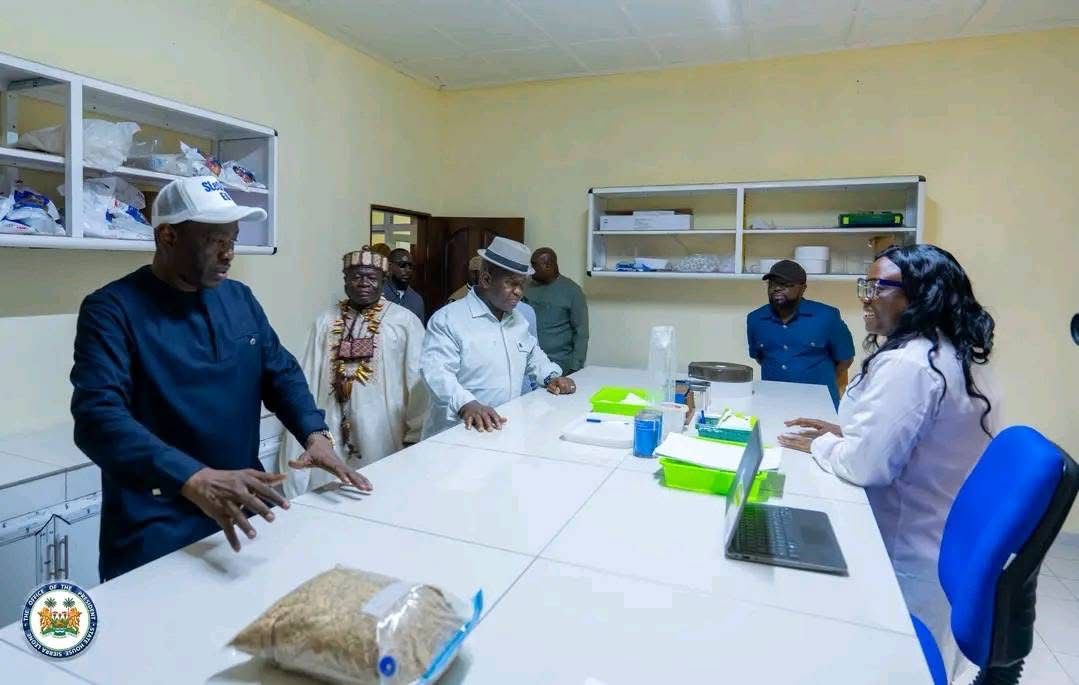
The laboratory will serve a critical function by facilitating local testing, certification, and control of seed quality, which is essential for ensuring reliable and high-performing seed systems across the country. This domestic capacity reduces reliance on international verification and strengthens the seed supply chain.
The inauguration of the Mile 91 lab came on the same day the President released 30 new high-performing seed varieties—comprising 13 rice, 9 cassava, and 8 maize candidates—developed by the Sierra Leone Agricultural Research Institute (SLARI) in Rokupr.
President Bio emphasized that the new laboratory is the “base from which our transformation must accelerate,” urging all stakeholders, including the Sierra Leone Seed Certification Agency (SLeSCA), seed entrepreneurs, and the private sector, to build the necessary supply chains and market structures to ensure the scientific breakthroughs reach every farmer.
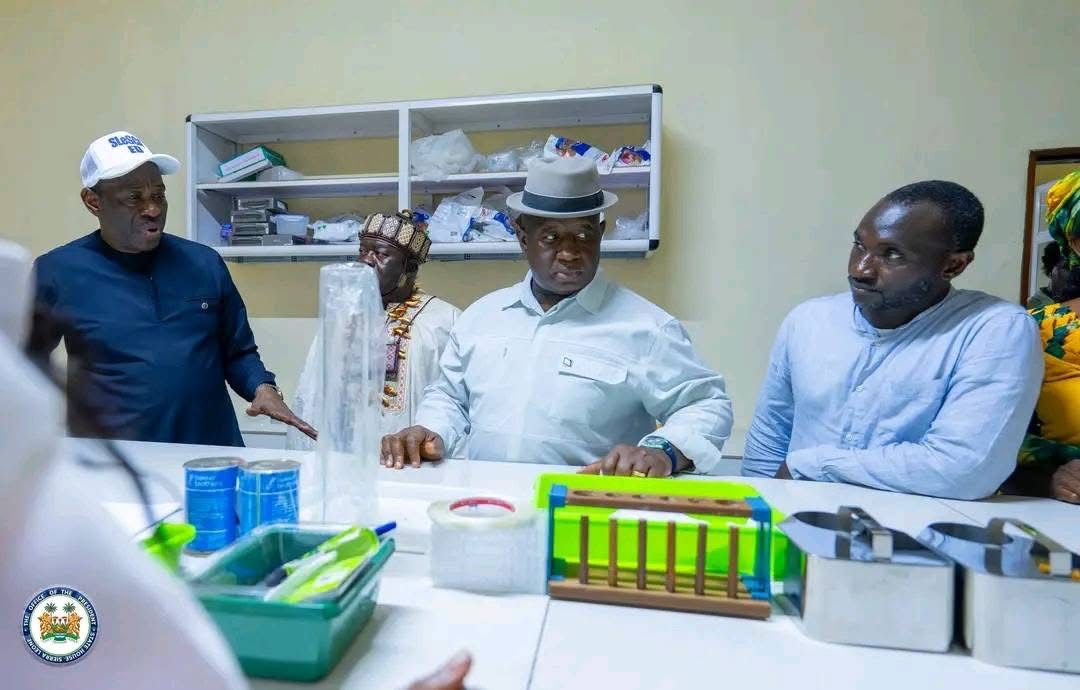
He commended the Executive Director and staff of SLeSCA for establishing the facility, training seed inspectors, and deploying modern seed-tracking technology nationwide. The President also recognized the growing international standing of Sierra Leone’s agricultural governance, noting that SLeSCA’s Executive Director, Dr. Chakanda, was recently elected President of the Regional Seed and Planting Material Committee of West Africa.
The Minister of Agriculture and Food Security, Dr. Henry Musa Kpaka, highlighted the importance of the new infrastructure, confirming that Sierra Leone has not imported any seeds for the past two years, a testament to the revitalized agricultural research and certification efforts.
The government views the new laboratory and the newly released seeds as critical components in its commitment to agricultural innovation and securing food sovereignty for Sierra Leone.


