

Monuments Commission Head Joseph Kaifala Denied U.S. Travel Amid Visa Ban
 Deborah Sorie
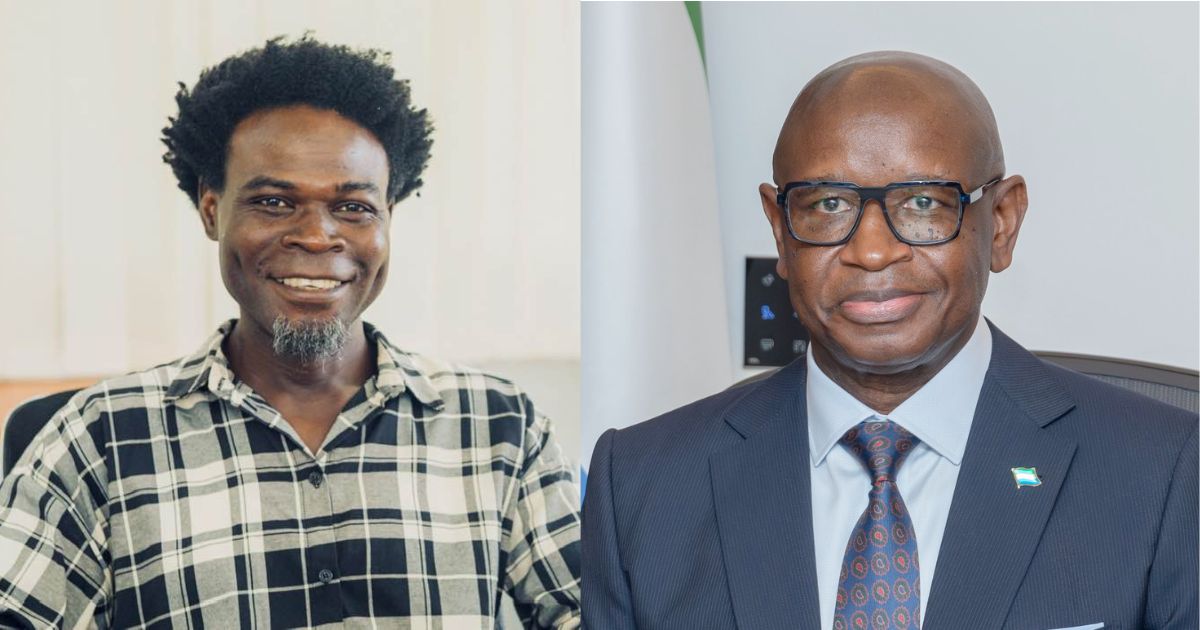
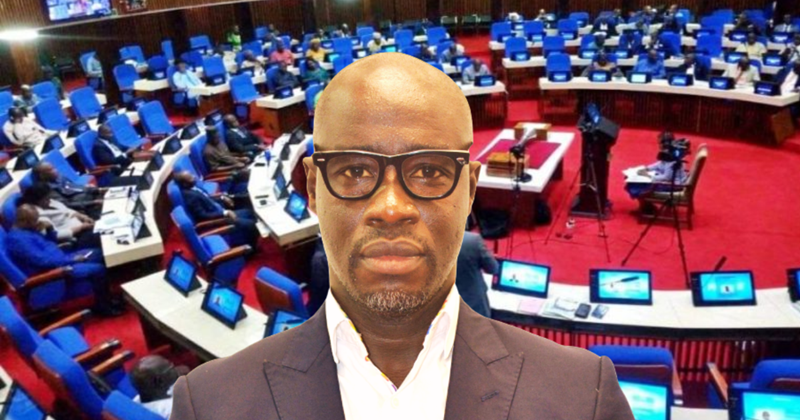
 Joseph Kaifala, Chairman of the Sierra Leone Monuments and Relics Commission and an appointee of President Julius Maada Bio, was blocked from traveling to the United States this week due to sweeping U.S. visa restrictions currently imposed on the West African nation.
Kaifala was scheduled to attend the prestigious 2026 Yale Peace Fellows program at Yale University in Connecticut. Instead, the historian and human rights activist was forced to participate in the fellowship virtually.
“Due to U.S. visa restrictions affecting Sierra Leone, I was unable to travel to Connecticut,” Kaifala confirmed in a public social media statement.

Despite the travel barrier, Kaifala addressed the fellowship online, sharing insights about the Center for Memory and Reparations and the newly established Sierra Leone Civil War Museum in Lungi. He also guided participants on a virtual “treasure hunt” to locate a plaque he authored honoring the Amistad Africans, which was created during President Bio’s visit to Yale during his first term.

When questioned publicly by a citizen on whether his government appointment qualified him for a diplomatic passport—which might have exempted him from the standard visa suspension—Kaifala confirmed he does not hold one. “As of now I don’t have one,” Kaifala responded. “I’m just the head of a lowly commission.”
Kaifala’s inability to secure a visa highlights the tangible, high-profile impacts of U.S. Presidential Proclamation 10998, which went into effect on January 1, 2026. The measure placed Sierra Leone on a list of nations subject to a complete suspension of both immigrant and non-immigrant visas (including standard B-1/B-2 and student/exchange visas). The U.S. government cited severe deficiencies in information sharing, high visa overstay rates, and Sierra Leone’s historical failure to cooperate in accepting removable nationals as the basis for the sweeping restrictions.
The visa ban has triggered high-stakes diplomatic negotiations between Washington and Freetown. In a controversial move to have the restrictions lifted, the United States formally requested that Sierra Leone accept “third-party nationals”—deported individuals from the U.S. who are not citizens of Sierra Leone.
In March 2026, the Sierra Leonean Cabinet approved an agreement under the Third Country National Arrangement to accommodate these deportees. The program is backed by a $1.5 million grant from the U.S. government intended to fund reception, temporary hosting, and humanitarian services, with local logistics reportedly contracted to Kenvah Solutions (SL) Limited.
Minister of Foreign Affairs Timothy Musa Kabba recently confirmed that while the U.S. made the request regarding third-party nationals as part of the visa negotiations, Sierra Leone has drawn a firm line. Kabba stated that the government is only considering accepting deported nationals from within the West African bloc, and strictly under existing refugee laws, to prevent the country from becoming a dumping ground for undocumented migrants.
While government officials, including Minister of Information Chernor Bah, have defended the $1.5 million U.S. repatriation fund as a “structured humanitarian intervention,” the agreement has sparked intense domestic pushback.
Critics and civil society groups have questioned the opacity of the deal, arguing that the relatively small, finite grant leaves Sierra Leone to shoulder the indefinite sovereign, economic, and security liabilities of hosting foreign deportees.