

 Post a comment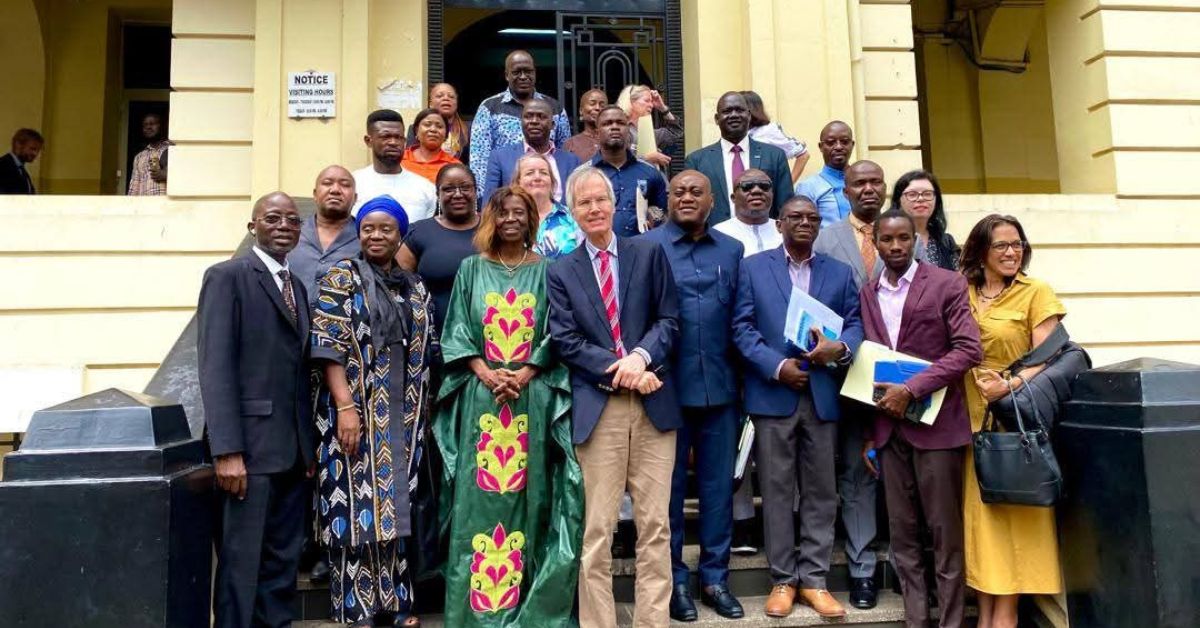
The Ministry of Planning and Economic Development (MoPED) held the first Development Partnership Committee (DEPAC) meeting of 2026 to discuss policy formulation for the implementation of innovative financing models.
Held on March 12, 2026, at the Ministry of Finance, on the theme: “Taking Forward the Recommendations of the Sierra Leone Policy Conference 2025: A Focus on Blended and Diaspora Finance.”
The gathering, chaired by MoPED Minister Kenyeh Barlay, brought together government ministers, heads of development cooperation agencies, and diplomatic representatives to address the pressing need for sustainable funding.
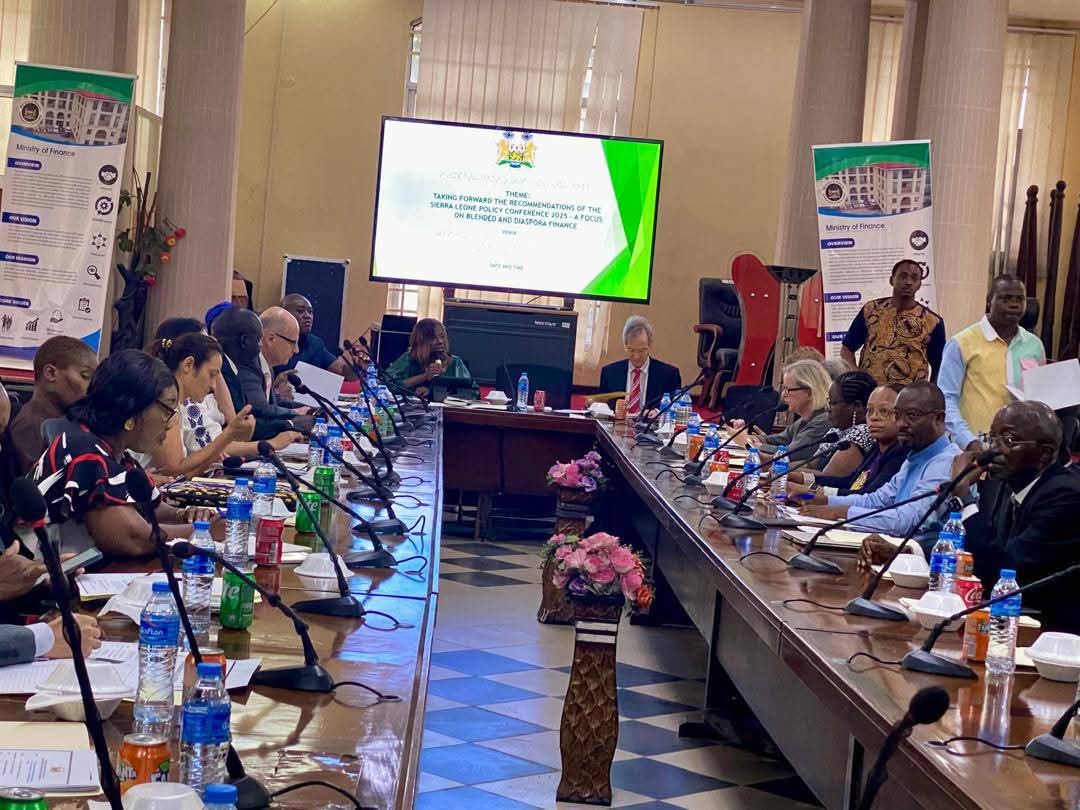
In her opening remarks, Minister Barlay framed the discussion within a challenging global context, citing geopolitical tensions and a tightening international financing landscape that threaten to erode the country’s development progress. She emphasized that exploring blended finance and diaspora contributions is a strategic imperative, not merely a policy option.
“This DEPAC meeting is a continuation of the Government’s commitment to deepen policy dialogue with our partners, ensuring our development agenda is anchored by sustainable and innovative financing solutions,” Minister Barlay stated.
She noted that the recent conflict in the Middle East exemplifies the external shocks that necessitate a focus on resilient and cost-effective financing mechanisms that promise high returns on investment.
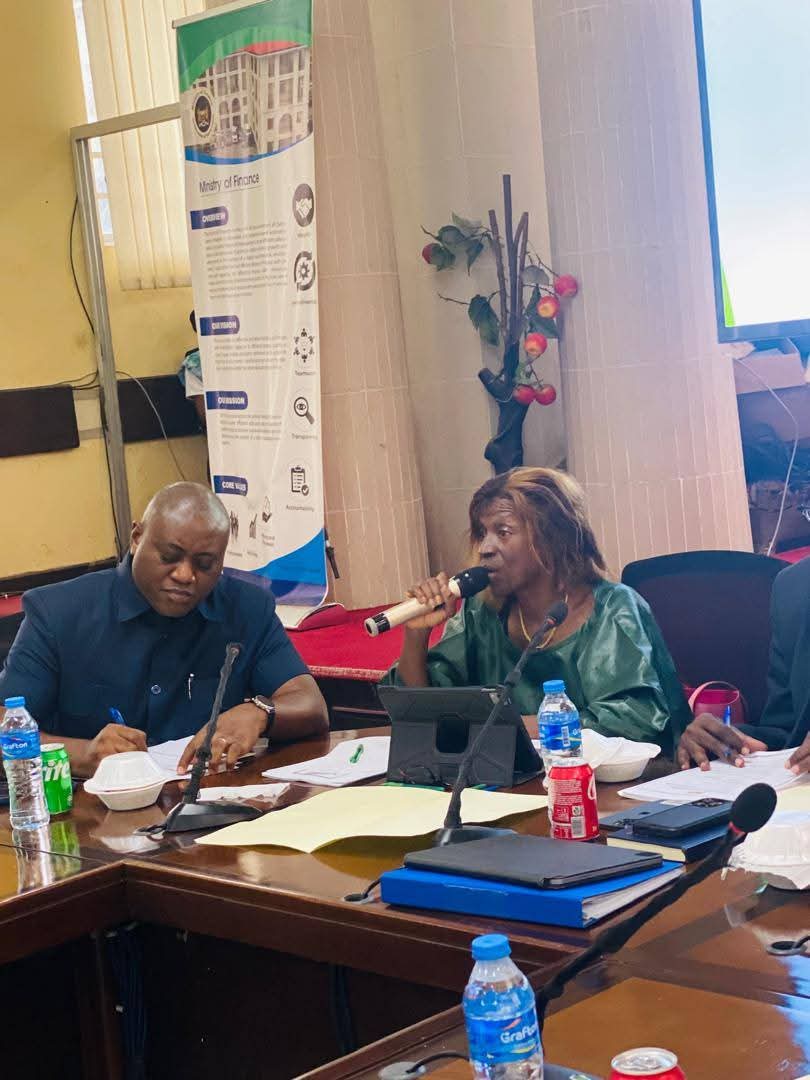
Furthermore, the discussion builds directly on the outcomes of the Sierra Leone Policy Conference held in December 2025, a collaborative effort between MoPED and the United Nations focused on funding the Medium-Term National Development Plan (MTNDP) 2024–2030 and the government’s “Big Five Game Changers.”
Co-Chair and German Ambassador Pascal Richter urged a strategic pivot towards measuring tangible outcomes rather than merely tracking expenditures. “Spending levels can be influenced, but results demonstrate true impact,” Ambassador Richter noted. He called for stronger inter-sectoral cooperation and the creation of a sustainable digital mapping system to define roles and competencies clearly.
According to the Ambassador, such a system would prevent duplication of effort and present a more credible and convincing strategy to key investors and funding partners.
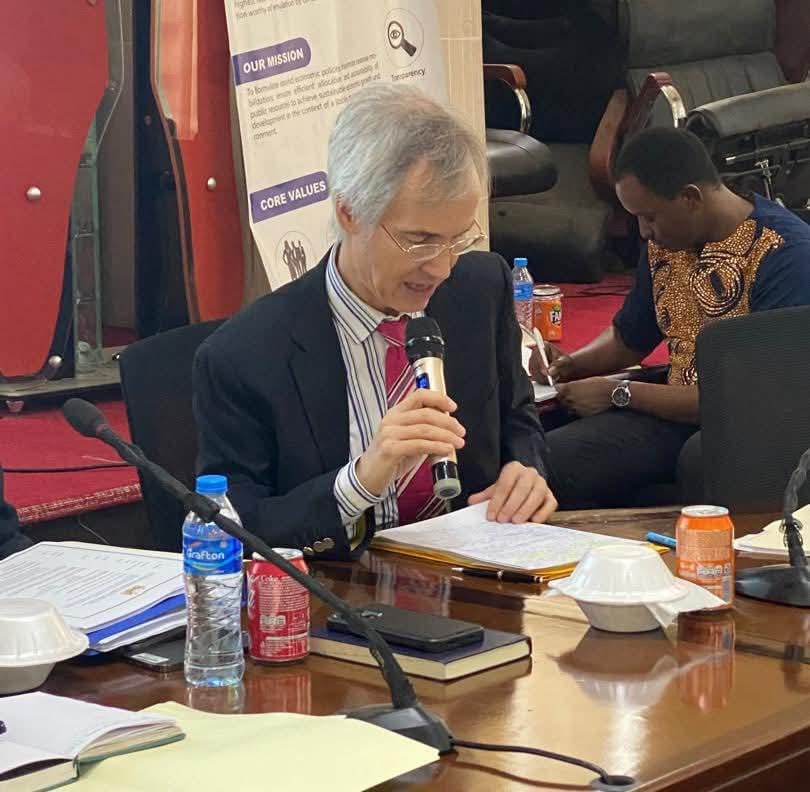
Expanding on the theme of accountability and local ownership, the World Bank Country Manager, Abdu Muwonge, redirected the conversation toward the efficient use of existing resources. He argued that while mobilizing additional funding is critical, equal attention must be paid to how current allocations for development projects are utilized.
“A more sustainable approach is to equip communities and schools to grow the food they consume, rather than relying heavily on externally supported schemes,” he said.
Concluding the session, Minister Barlay acknowledged the practical challenges inherent in implementing the ambitious recommendations. She called on stakeholders to meticulously review the day’s discussions and identify actionable steps to overcome these hurdles.
The Minister reaffirmed her commitment to ensuring her team takes practical measures to address the concerns raised.
Finally, participants underscored the need for sustained technical analysis and continued collaboration among key institutions. They agreed that starting with manageable, high-impact initiatives is essential for building momentum toward the broader implementation of the country’s innovative financing strategies.


