

 Post a comment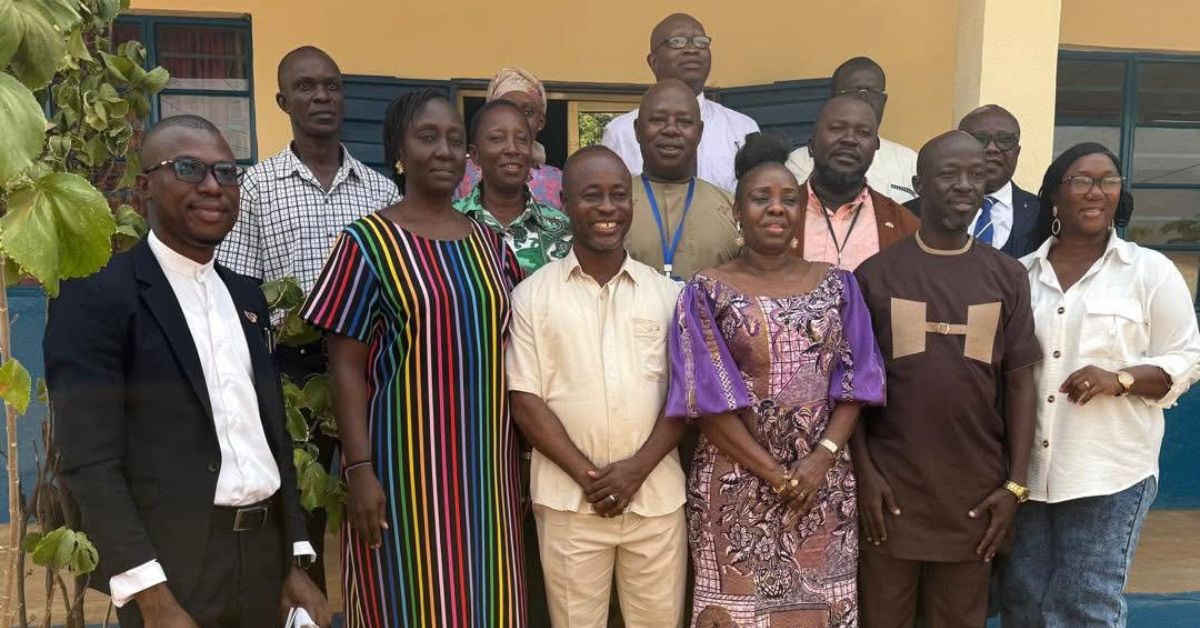
The Ministry of Technical and Higher Education (MTHE) has concluded a two-day workshop at Freetown Polytechnic’s Jui Campus to review and refine its 2026 Strategic Plan, describing the exercise as a critical step in shaping the future direction of technical and higher education in the country.
The session, held from February 25-26, 2026, brought together senior officials, directors and development partners to examine the existing Strategic Plan, identify emerging challenges and opportunities, and agree on clear priorities and practical actions for implementation in the year ahead.
Speaking during the workshop, MTHE’s Chief Technical and Higher Education Officer, Dr. Josephus Brimah, described the review as an important process that will guide the Ministry’s work over the next five years.
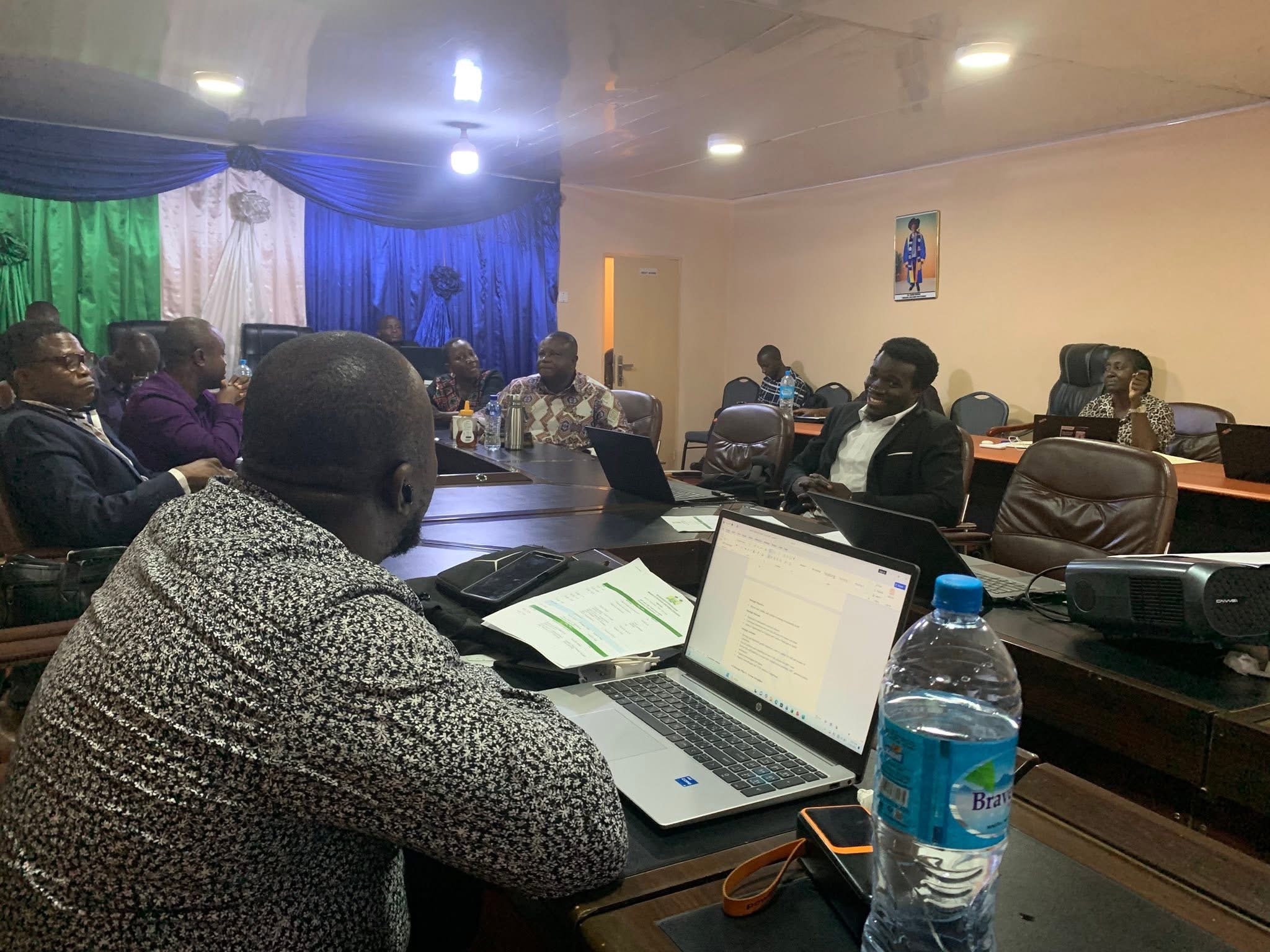
He said the Strategic Plan serves as a roadmap for both technical and higher education and stressed the urgent need to address sustainable financing for Technical and Vocational Education and Training (TVET).
Dr. Brimah noted that strengthening financing mechanisms for TVET remains central to ensuring access, quality and long-term impact in skills development.
Director of Monitoring and Evaluation, Christiana Samu, said the outcome of the review would feed directly into the upcoming Education Sector Plan.
She acknowledged past monitoring and evaluation challenges, including limited staff capacity, inadequate resources and mobility constraints. She called for stronger collaboration across all units within the Ministry to ensure the development of a realistic and results-driven plan aligned with national priorities.
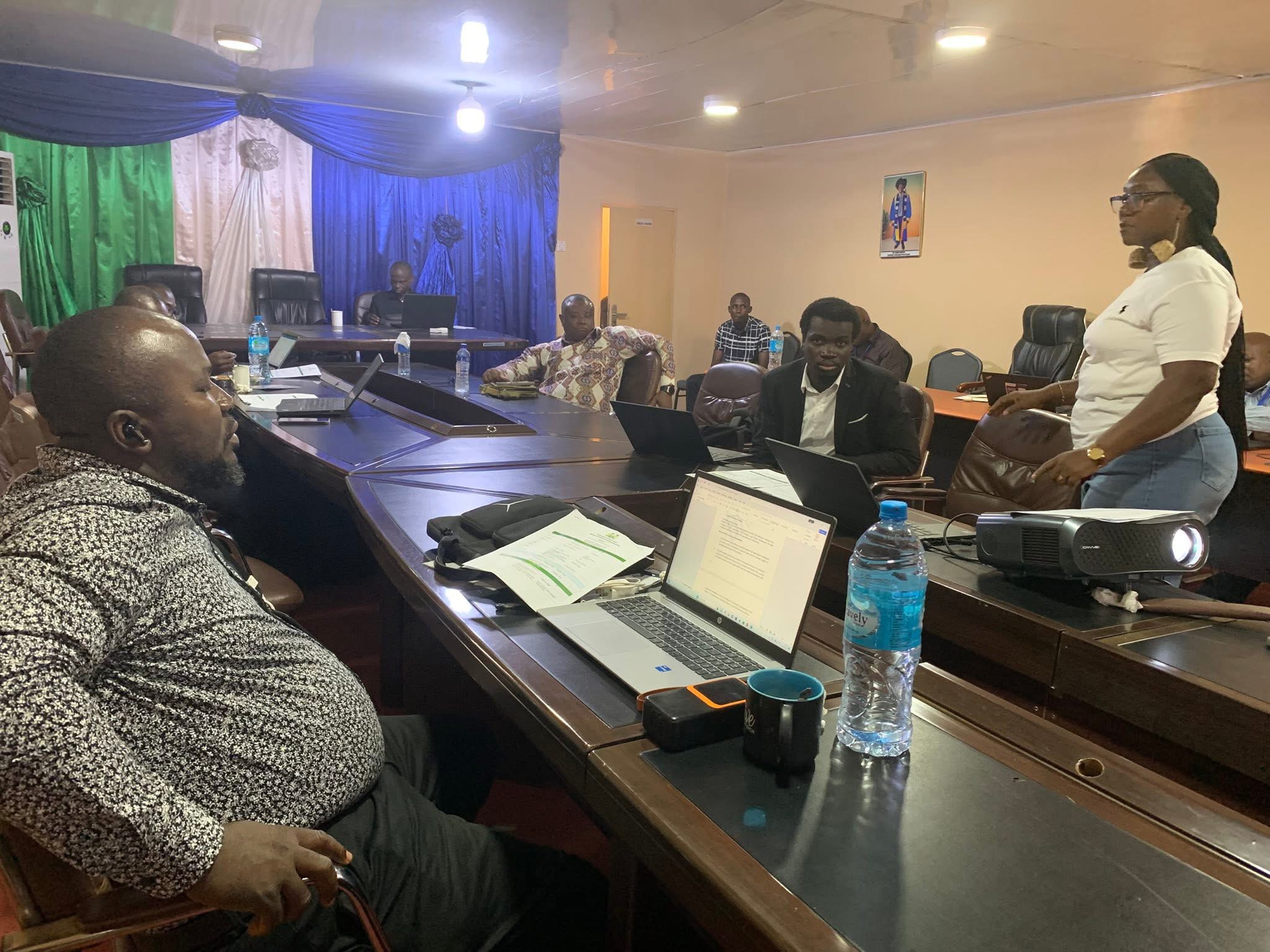
Director of Science Education, Fatmata Kaiwa, emphasized the need for increased investment in science, technology and innovation.
She highlighted the importance of upgrading laboratory facilities, harmonizing science and mathematics curricula, and strengthening teacher training programmes to address the shortage of qualified science educators nationwide.
Director of Human Resource, Rebecca Saffa, said the workshop created an opportunity to assess completed, ongoing and outstanding activities under the current plan while identifying new priorities.
She stressed that staff commitment and adequate resources would be essential to successfully implement the revised Strategic Plan.
Senior Education Officer for TVET, Augustine Alie, underscored the role of the Strategic Plan in addressing the national skills gap and rising unemployment.
He emphasized the need to focus on quality and relevance in TVET programmes, improve public perception of technical education, secure sustainable financing, strengthen public-private partnerships, promote digital transformation and establish clear performance indicators.
Winston Mella Jalloh, Deputy Secretary General of the Sierra Leone National Commission for UNESCO, described the review as a positive step toward strengthening human capital development.
He said the process would help shape higher education and TVET programmes, improve resource management, expand funding strategies and advance digital learning initiatives.
Acting Director of Planning and Research, Idrissa Sannoh, said the workshop also served as a capacity-building exercise for staff, enhancing their understanding of how to develop and implement a SMART strategic plan.
He stressed the importance of aligning the revised plan with the Government’s Big Five Game Changers and ongoing digital transformation efforts.
In his closing remarks, Permanent Secretary Mohamed Sheick Kargbo commended staff and partners for their dedication throughout the two-day engagement.
He described the review as a significant step in advancing the Ministry’s development agenda and thanked participants for their active engagement and constructive contributions.
Kargbo also acknowledged staff who stepped away from their regular duties to participate, particularly representatives from regional offices.
He emphasized the need to strengthen regional offices through targeted capacity building under the revised Strategic Plan and encouraged continued collaboration as the Ministry advances its reform efforts.


