
NPPA Boss Konneh Calls for Digital, Transparent Procurement Systems at UNIMAK Seminar
 Sahid Bangura
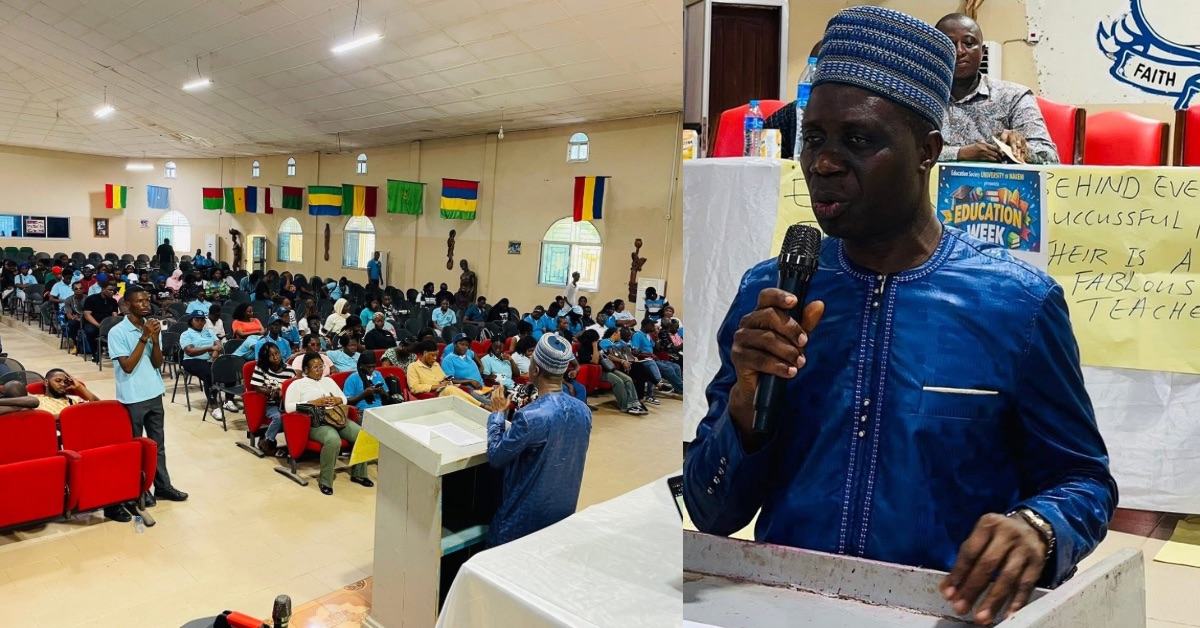
 The Chief Executive Officer of the National Public Procurement Authority (NPPA), Fodie J. Konneh, has called for a bold transition to digital, transparent, and sustainable procurement systems in Sierra Leone, emphasizing the role of technology and accountability in strengthening public trust.
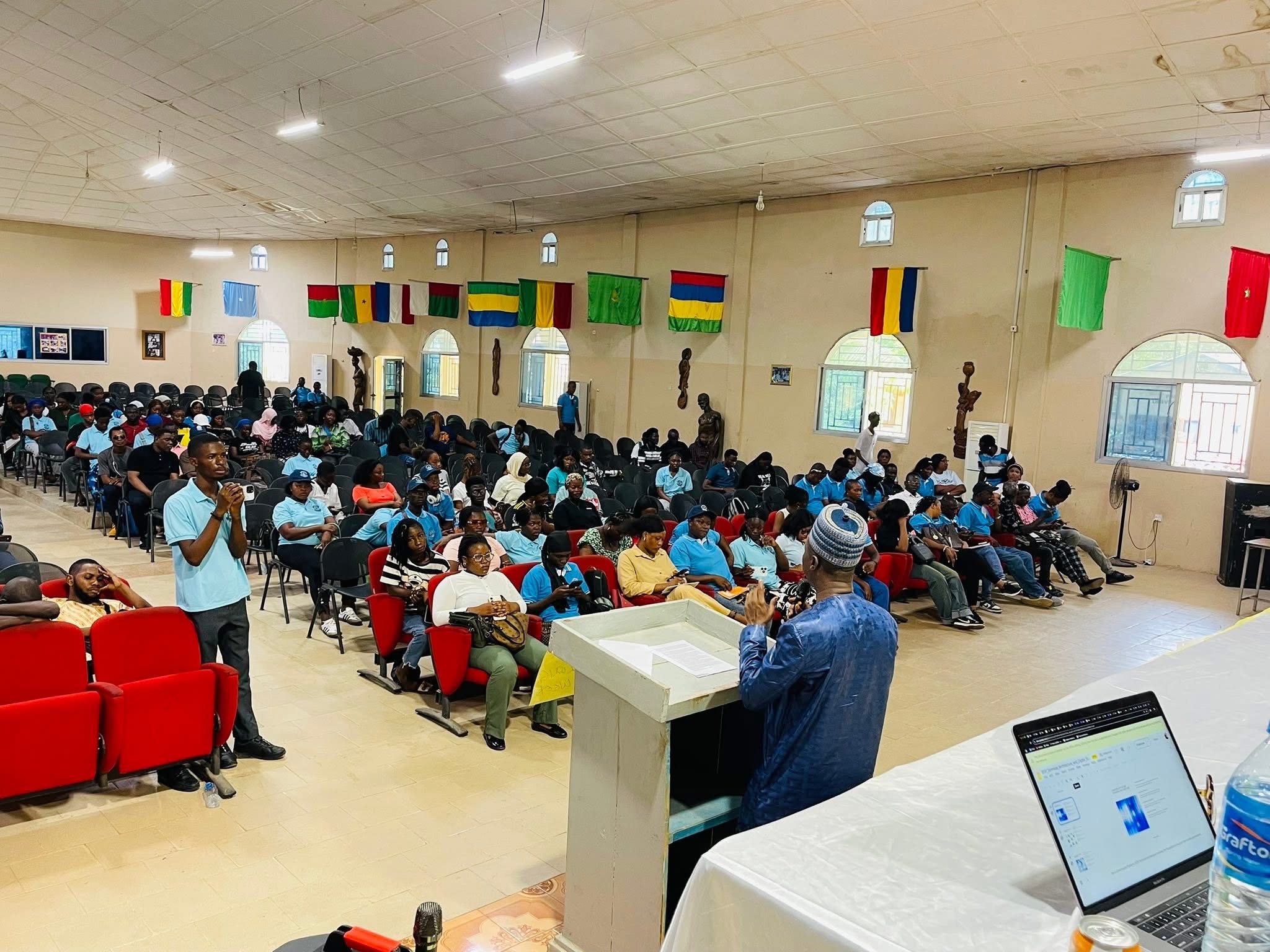
He made the statement on Saturday, April 25, 2026, while delivering a keynote address at the 2026 Future-Ready Procurement Seminar held at University of Makeni in Makeni.
The seminar, organized by the Procurement and Logistics Students’ Association, was held under the theme “Adapting to AI-Driven E-Procurement and Sustainable Practices in a Transforming Global Landscape.” It brought together government officials, academics, procurement professionals, and students for discussions on innovation and reform in public procurement.

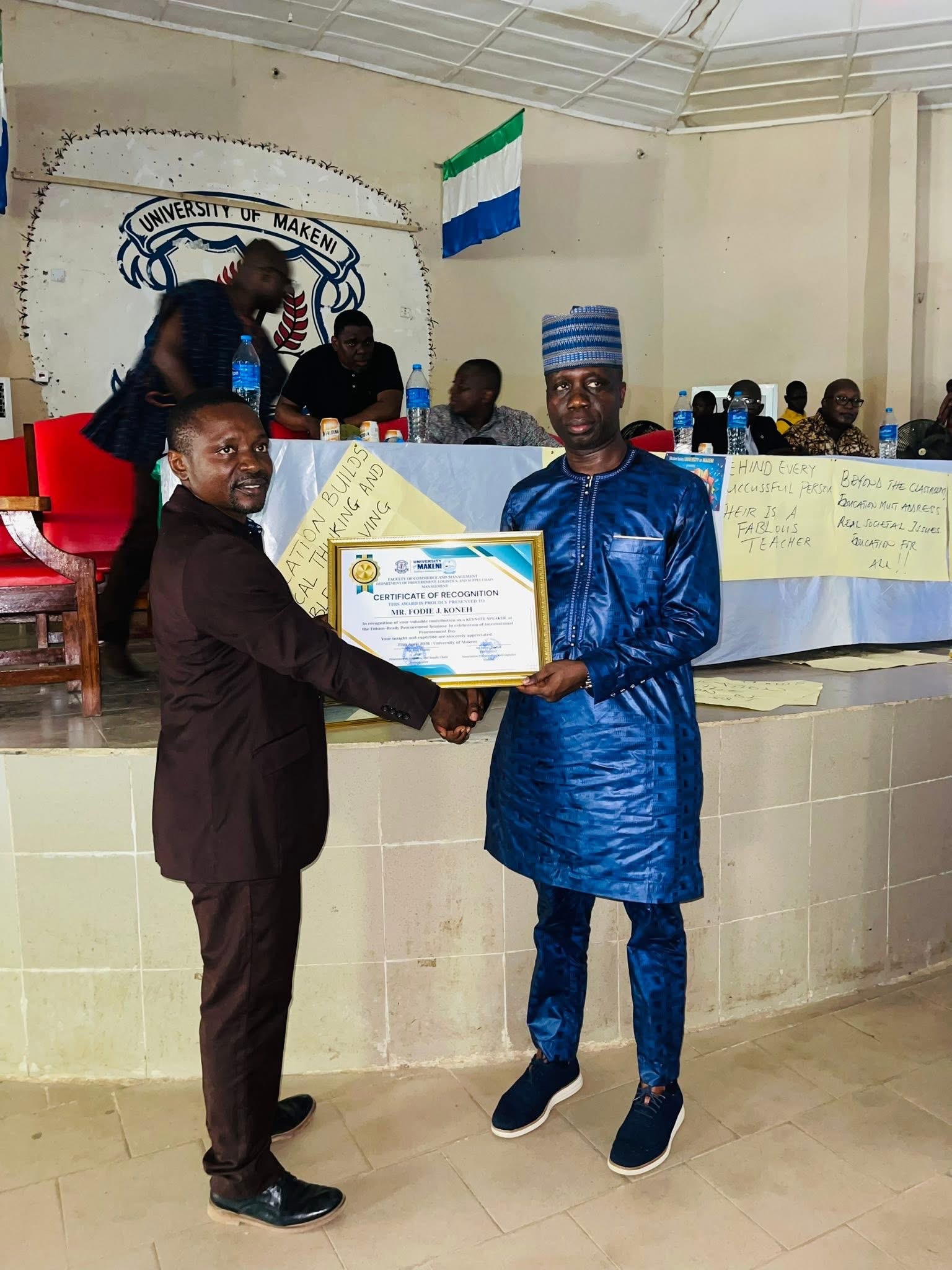


Introducing the keynote speaker, Sylvester B. Allieu, Head of Communication and Outreach at the National Public Procurement Authority, described the engagement as timely, setting the stage for discussions on modernization within the sector.
In his address, Konneh stressed that procurement should no longer be viewed as a routine administrative task but as a strategic function central to governance and national development. “Procurement is not just about buying,” he said. “It is about public trust, service delivery, and responsible national stewardship.”
A key focus of his speech was the transition from manual systems to electronic government procurement (E-GP). According to Konneh, digital platforms are essential for improving transparency, efficiency, and accountability in public spending. “The future of public procurement lies in stronger digital systems, better data, and smarter oversight,” he stated.

He also highlighted the growing importance of artificial intelligence in procurement processes, noting its potential to support data analysis, risk detection, and informed decision-making.
However, he cautioned that technology must not replace human judgment. “AI should assist procurement professionals, not substitute them,” he said, adding that systems must remain guided by transparency, fairness, accountability, and human oversight.
Konneh used the platform to outline ongoing institutional reforms at the NPPA, including the clearance of a four-year backlog of procurement compliance reports. He noted that the Authority is now shifting focus toward contract monitoring and performance evaluation to ensure value for money in public projects.
He further disclosed that the review of the Public Procurement Act of 2016 is underway, guided by findings from the Methodology for Assessing Procurement Systems.
The review, he explained, aims to align the country’s procurement framework with modern realities and global best practices. “Procurement must evolve into a system that is efficient, transparent, inclusive, and responsive to the demands of a changing world,” he said.
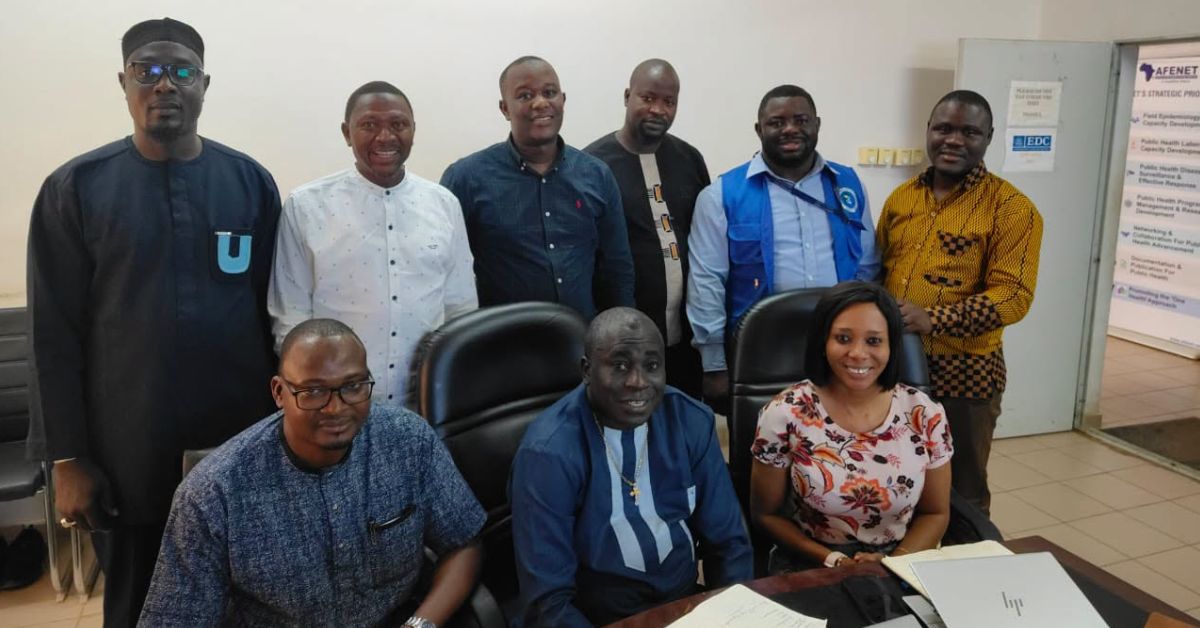
The seminar also featured a panel discussion involving NPPA officials, including the Director of Capacity Building, Allieu M. Moigboi, and the Director of Electronic Government Procurement and ICT, Dr. Mohamed B. Turay, alongside chief administrators from Bombali and Tonkolili District Councils. The session allowed students to engage directly with practitioners on procurement reforms, digital systems, and career opportunities.
Following the event, Konneh visited a proposed procurement association garden project initiated by students of the university. Student leaders appealed for institutional support and internship opportunities within the NPPA and local councils.
In response, Konneh emphasized the need for a formal Memorandum of Understanding between the university and the Authority to ensure sustained collaboration and professional development opportunities for students.
He later engaged members of the media, addressing questions on the rollout of the E-GP system, the procurement assessment process, and ongoing legal reforms.
In his closing remarks, Konneh encouraged students to embrace innovation and uphold ethical standards as they prepare to enter the profession. “You are entering this profession at a very significant time,” he said, urging them to be “knowledgeable, adaptable, ethical, and innovative.”
The seminar ended with participants expressing renewed commitment to strengthening procurement systems as a cornerstone for transparency, accountability, and national development in Sierra Leone.