

Parliament Intensifies Oversight of Mobile Operators to Improve Telecom Services
 Osman Tolo Sesay
 Parliament has signaled a stronger commitment to overseeing the operations of Mobile Network Operators (MNOs) as part of efforts to ensure affordable and reliable communication services, while supporting the country’s digital transformation agenda.
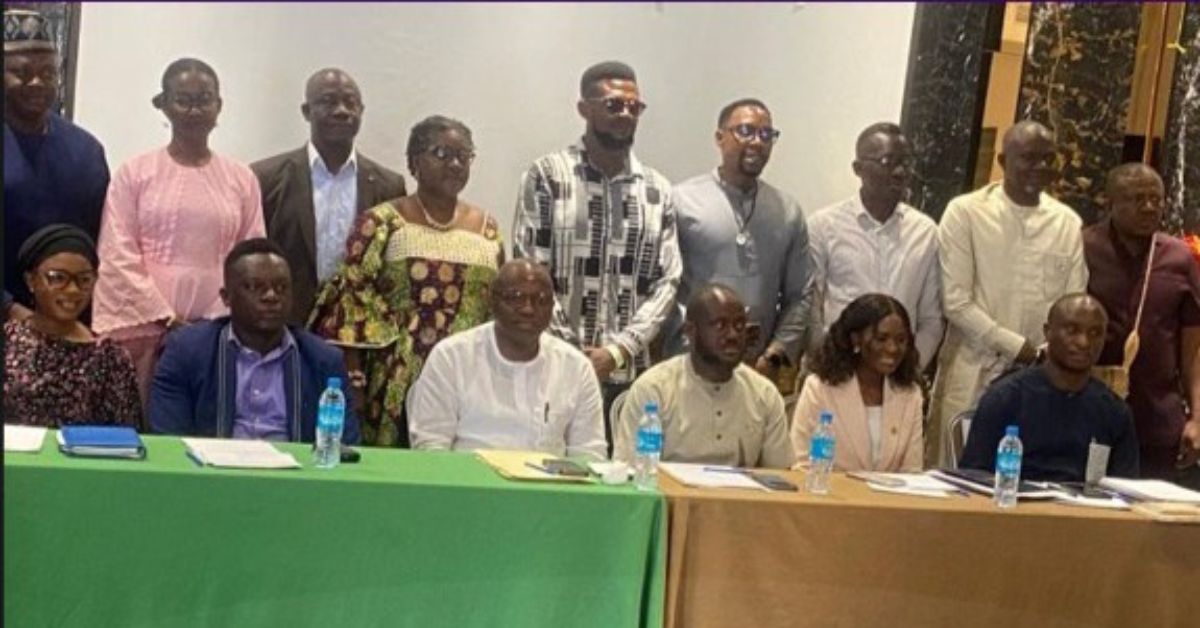
The pledge was made during a stakeholders’ engagement organised by the Parliamentary Committee on Communication, Innovation and Technology. The meeting brought together key industry players, including Africell, Orange, and Qcell, alongside government officials and regulators to discuss challenges and reforms within the telecommunications sector.
Delivering the keynote address, Clerk of Parliament, Karmoh Conteh, called for a shift in how parliamentary committees carry out their oversight responsibilities. He emphasised that committees must move beyond routine procedures and fully exercise their authority under Section 93 of the Standing Orders.

“We know we have to call for documentation. The tradition has been to request status reports, ask a few questions, and stop there. That must change,” Conteh said, urging more in-depth scrutiny to better inform legislation and policy decisions.
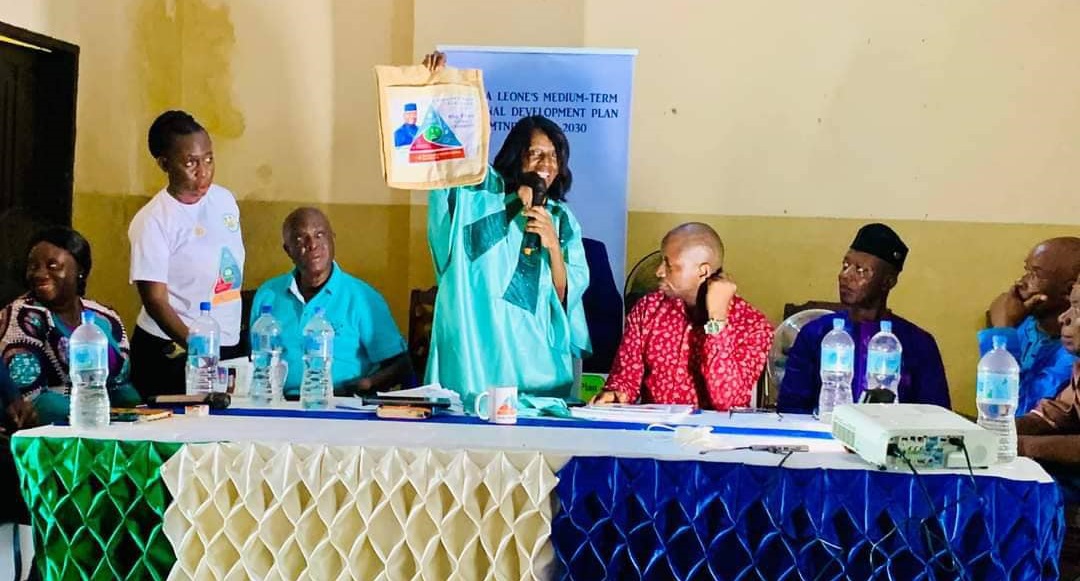

Chairman of the Committee, Hon. Boston Munda, said the engagement was designed to assess service quality and chart a path for improvements in the sector. He noted that lawmakers, as consumers themselves, have a vested interest in ensuring higher standards.
“We came out of Parliament to discuss the way forward as consumers ourselves, to ensure proper quality of service in the sector,” Munda stated.
Minister of Communication, Innovation and Technology, Salima Bah, outlined government efforts to expand digital infrastructure. She disclosed that approximately NLe400 million has been invested over the past five years, alongside a US$15 million World Bank grant to support the landing of a second fibre optic cable.
According to the minister, ongoing expansion projects aim to connect underserved districts such as Falaba and Karene to the national fibre backbone. She added that the country has achieved 90 percent population coverage and 80 percent network modernisation, with connectivity now reaching 14 of the 16 districts.
However, Munda stressed that Parliament’s role goes beyond receiving such updates, noting that lawmakers will undertake field visits to verify the claims.
“These are numbers, and we must validate them through presence and activity,” he said.
Industry representatives also highlighted operational challenges affecting service delivery. Africell CEO, Shadi Gerjawi, pointed to rising fuel costs as a major concern, noting the impact on network operations and pricing.
Minister Bah acknowledged the issue, stating that telecom operators collectively consume about two million litres of fuel each month, underscoring the strong link between energy costs and service affordability.
In his closing remarks, Conteh urged parliamentary committees to strengthen their research capabilities and technical expertise to enhance oversight effectiveness.
He emphasised that robust, evidence-based scrutiny is essential to ensuring accountability and the sustainable development of Sierra Leone’s telecommunications sector.