

 Post a comment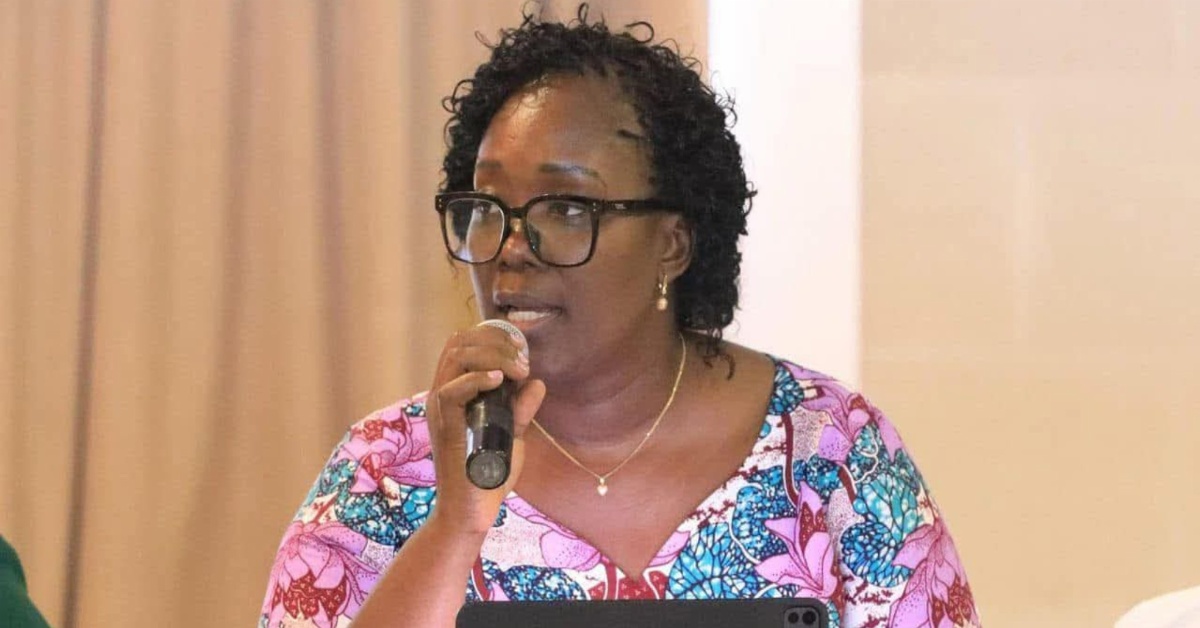
Member of Parliament Wuyata Songa of the Sierra Leone People’s Party (SLPP) has issued a stern warning in Parliament over what she described as deeply troubling practices undermining the country’s healthcare system.
She expressed grave concern about the illegal sale of drugs meant to be provided free under the Government’s Free Healthcare Initiative.
According to MP Songa, some health personnel in government hospitals have been selling these essential medicines to patients an act she condemned as “harmful to the nation.” The Free Healthcare Initiative is designed to support vulnerable groups such as pregnant women, lactating mothers, and children under five. The diversion of these drugs for personal gain, she stressed, deprives citizens of lifesaving treatment and further erodes public trust in the health system.
The MP also highlighted a growing shortage of medical doctors in public hospitals. Despite significant government investment in training medical professionals at tertiary institutions, many facilities remain severely understaffed. This shortage has resulted in long waiting hours and compromised healthcare delivery for patients nationwide.
Another pressing issue raised by MP Songa is the existence of “ghost workers” within the health sector. She noted that some nurses remain on the government payroll but rarely report for duty, yet continue to receive monthly salaries. This malpractice, she said, drains critical public resources and leaves hospitals without the manpower they urgently require.
MP Songa lamented that “many of our people are not doing justice to this country,” urging swift reforms to safeguard public resources and improve service delivery. She called for stronger accountability systems to monitor drug distribution, rigorous payroll audits to eliminate ghost workers, and more effective deployment of trained medical staff.
Her intervention highlights persistent governance challenges in Sierra Leone’s health sector and underscores the urgent need for decisive action to protect years of investment and ensure vulnerable citizens receive the services they deserve.


