

 1 Comment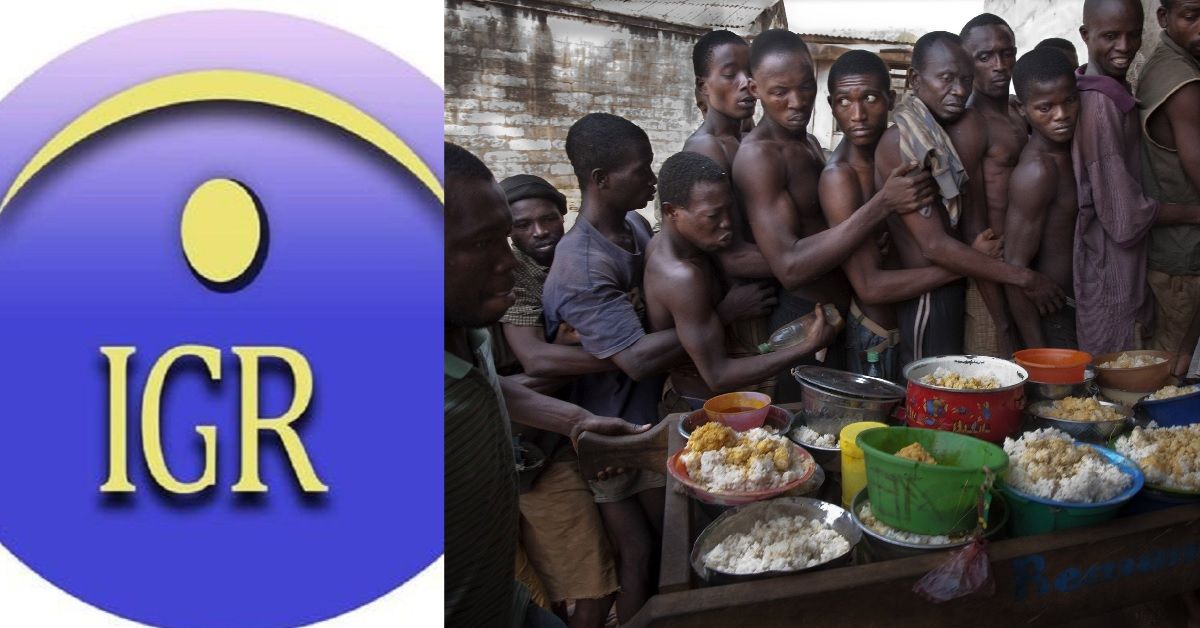
The Institute for Governance Reform (IGR) has released a new report alleging that official procurement records show prisoners in Sierra Leone were allocated between four and 15 cups of rice per day, raising concerns that as much as NLe189 million may have been unnecessarily expended between 2016 and 2023.
The findings are published in IGR’s February 2026 edition of Critical Perspectives of Governance titled “Di Hade Pa Di Case II – Prison Rice and the Case for a New Politics.” The report analyses 552 procurement contracts awarded by the Sierra Leone Correctional Service (SLCS) across two administrations over an eight-year period.
According to the report, a total of NLe211.3 million was spent on rice procurement for inmates during the period under review. IGR calculated that this translates to an average of NLe5,707 per prisoner annually, or NLe15.63 per prisoner per day.
However, the report states that the quantities of rice reflected in procurement records significantly exceed realistic dietary requirements. On average, 10.2 cups of rice were reportedly allocated per prisoner per day. The allocation peaked at 15 cups daily in 2017 and dropped to its lowest level of four cups per day in 2020.
IGR compared these figures with national consumption data and nutritional benchmarks, which indicate that a typical adult requires about two cups of rice per day and rarely more than three cups, even under high-calorie diets. The report describes the procurement figures as “economically implausible.”
Using adjusted consumption assumptions, IGR recalculated the spending. At three cups per day, the report estimates that approximately NLe144 million, or 68 percent of total expenditure, appears excessive.
At two cups per day, the questioned amount increases to NLe166.5 million, representing 79 percent. At one cup per day, the unexplained expenditure rises to NLe189 million, or 89 percent of the total spending.
The report concludes that even under generous feeding assumptions, a substantial portion of the rice procurement funds cannot be justified based on realistic consumption levels.
Beyond the financial analysis, IGR also highlights what it describes as political influence in the award of prison food contracts. The study notes that more than 60 percent of prison contractors were replaced following the 2018 change in government. It further references similar shifts after the 2007 transition, suggesting what it calls entrenched patronage networks in prison food procurement.
Despite the high levels of reported expenditure, the report cites previous performance audits indicating that inmates often receive limited food portions. In some correctional facilities, it states, one basin of rice has reportedly been served to cover both lunch and dinner.
IGR warns that the issue goes beyond fiscal inefficiency and raises potential human rights concerns if procurement figures do not reflect actual feeding conditions within correctional centres.
The report recommends a comprehensive review of food procurement practices in prisons and other public institutions where government provides bulk food supplies, including hospitals and security forces. It also calls for accelerated digitalisation of procurement systems to strengthen transparency, oversight and accountability in public spending.


Government don’t usually pay Contractors on time and Contractor’s don’t supply the jail for proper feeding, that’s one the biggest reason inmates don’t get sufficient food