

 Post a comment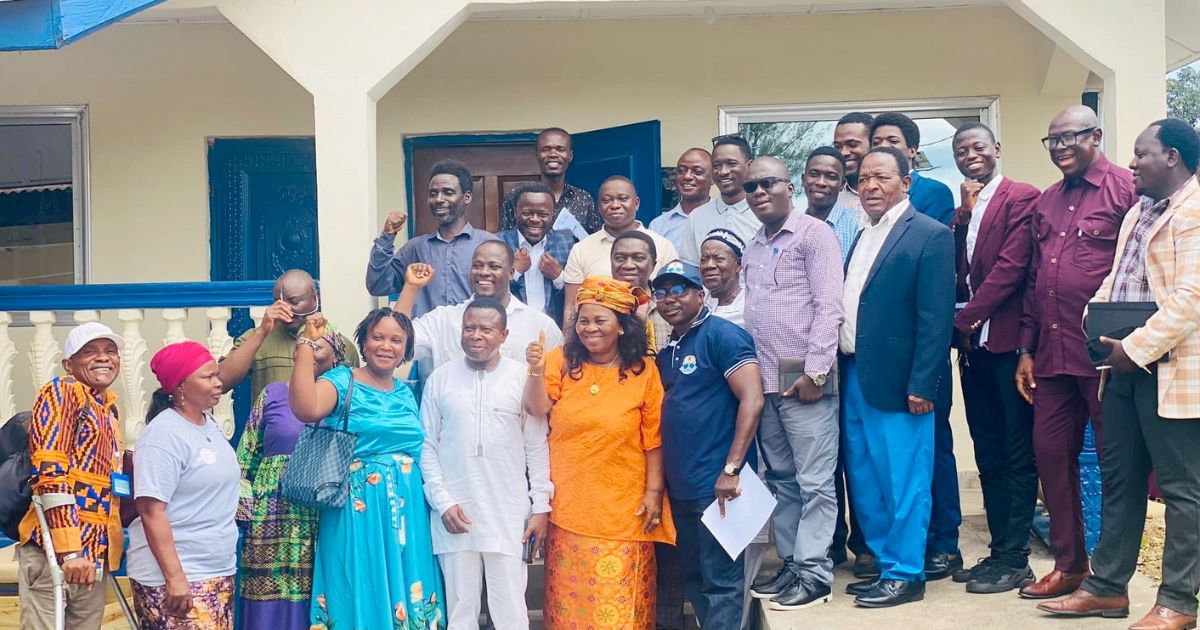
SEND Sierra Leone has signed a groundbreaking Memorandum of Understanding (MoU) with the Eastern Technical University of Sierra Leone (ETUSL) to establish the Female Leadership and Governance Institute (FLGI) a dedicated center aimed at nurturing the next generation of women leaders and governance professionals in Sierra Leone.
The signing ceremony, held at ETUSL in Kenema, brought together representatives from SEND Sierra Leone, ETUSL, key government ministries, civil society partners, and local stakeholders. The event marked a major milestone in the institutionalization of women’s leadership and governance training within tertiary education in the country.
Under the terms of the MoU, ETUSL will provide physical space, administrative oversight, and policy support for the establishment of the Institute, while SEND Sierra Leone will lead renovation efforts, capacity building, and the development of a gender-responsive leadership curriculum.
The Ministry of Technical and Higher Education also pledged its support for the integration of the new curriculum into national education standards. Traditional authorities further committed to providing land for the future construction of the Institute.
Speaking at the ceremony, Mr. Joseph Ayamga, Country Director of SEND Sierra Leone, described the initiative as “a bold step toward institutionalizing women’s leadership in Sierra Leone; transforming empowerment from a project into a permanent structure for national progress.”
He expressed appreciation to Irish Aid for its continued support to SEND’s women’s empowerment programs, including the More Than a Woman (MTAW) project.
The Vice Chancellor of ETUSL welcomed the partnership, calling it a strategic collaboration that bridges academia and social transformation. He reaffirmed the university’s commitment to supporting the Institute through curriculum integration, research collaboration, mentorship programs, and joint public forums that promote women’s participation in governance.
The MoU outlines several key commitments from both institutions, including:
- Developing and implementing gender-responsive leadership and governance curricula;
- Establishing mentorship programs linking female students to political and civic leaders;
- Hosting policy dialogues and forums on women’s participation, accountability, and inclusion;
- Building research capacity on inclusive governance and gender equality; and
- Strengthening community networks that connect higher education with practical leadership development.
Supported by Irish Aid, the partnership reflects a shared vision that when women lead, societies become more inclusive, accountable, and prosperous.


