

Chief Minister Sengeh Defends Constitutional Amendment Process Amidst Controversy
 Tolulope Aina
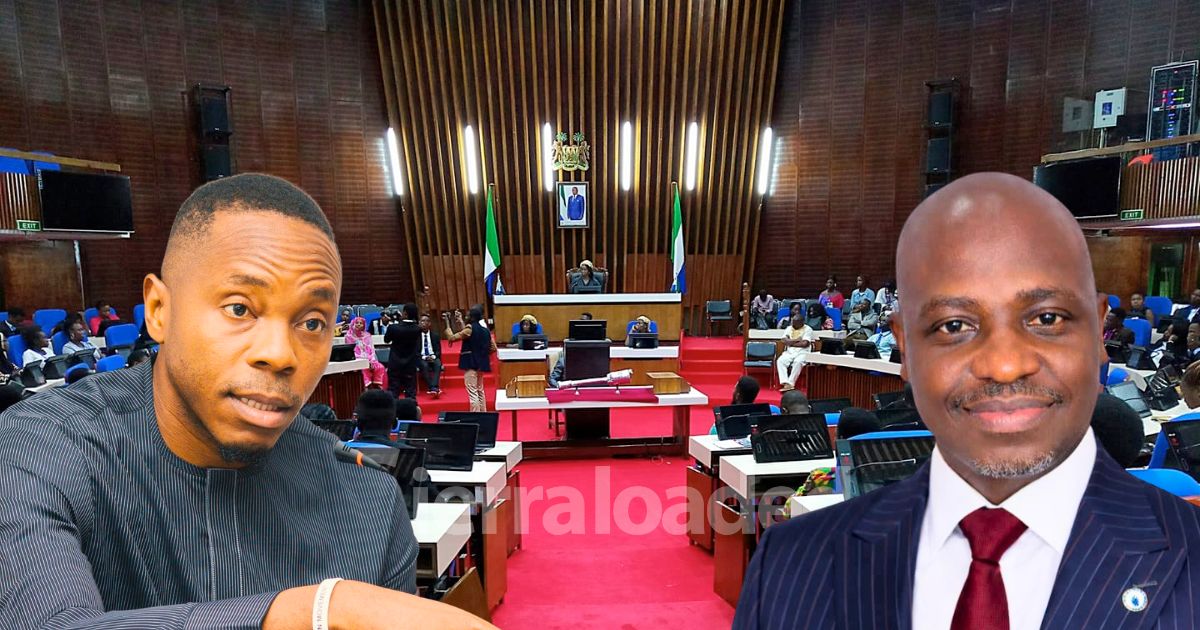
 Chief Minister David Moinina Sengeh has defended the controversial passage of the Constitution of Sierra Leone (Amendment) Bill, 2025, during a briefing with the United Nations and international diplomatic corps.
The Chief Minister’s comments come as opposition parties and civil society groups challenge the bill’s legality, with the matter now poised for Supreme Court review.
The bill, passed by Parliament on 10 August 2026, introduces sweeping electoral reforms, including reducing the presidential election victory threshold from 55% to 50% plus one vote, making proportional representation the permanent system for electing Members of Parliament, and mandating a 30% quota for women in political party nominations. The government describes the bill as the culmination of twenty years of inclusive consultation, including two Cabinet white papers and the Tripartite Report.

However, the passage was marred by controversy when opposition All People’s Congress (APC) MPs walked out of Parliament after a dispute arose over the required voting threshold. The APC maintains that the Constitution requires a two-thirds majority of all Members of Parliament for passage under Section 108, while the ruling Sierra Leone People’s Party (SLPP) argued that a simple majority under Section 91(1) was sufficient. Despite the opposition walkout, Speaker Segepoh Solomon Thomas proceeded with the vote, declaring the bill passed.

President Bio’s Vision to Offer Sierra Leoneans a New Administrative And Financial City is Gaining Momentum
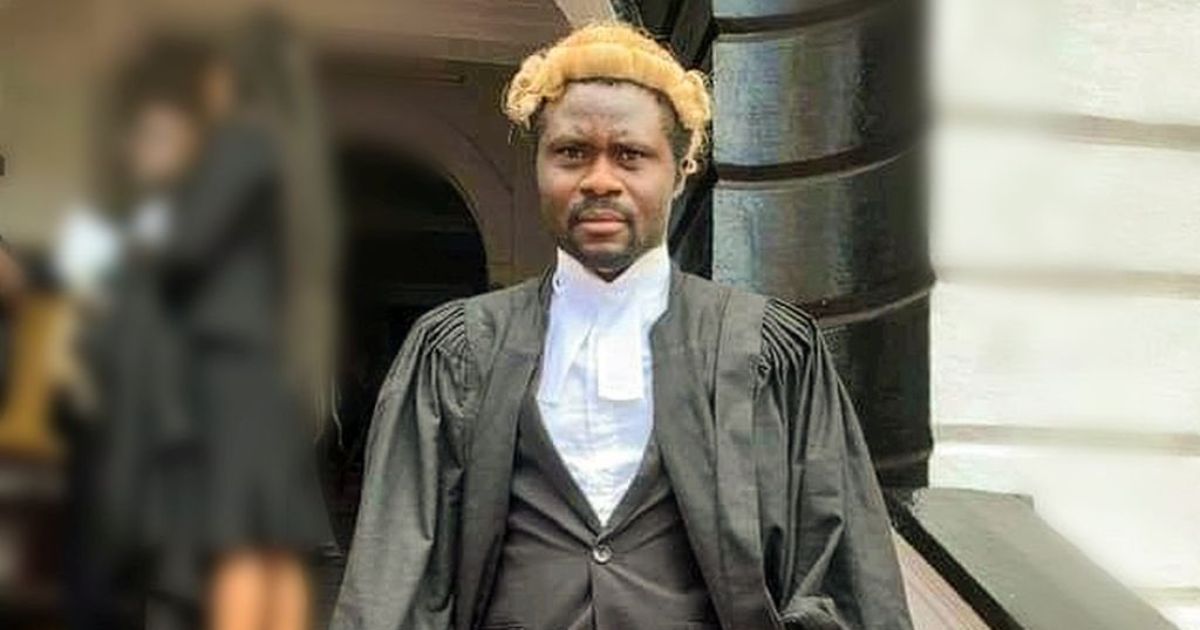
Civil Society Coalition Condemns Disciplinary Action Against Human Rights Lawyer Augustine Marrah
APRM Executive Secretary Embarks on Nationwide Stakeholder Engagement Tour Ahead of Second-Generation Review
During the engagement on 14 August with UN Resident Coordinator Seraphine Wakana and representatives from the UK, Germany, Ireland, ECOWAS, and the EU, Chief Minister Sengeh was questioned about the parliamentary process.
Sengeh emphasized the constitutional separation of powers, stating that Parliament operates under its own rules and that the Executive cannot influence the legislature. “Where there are doubts, the Supreme Court, led by the Chief Justice, will independently make a decision,” Sengeh stated. He defended the actions of lawmakers who walked out as “abandonment of their responsibility to the citizens”.
The political and legal dispute has intensified. The APC has vowed to challenge the bill in the Supreme Court, describing the process as a “legislative heist” and “constitutional banditry”. Citizens for Change (C4C) leader Dr. Allieu Iscandri has also threatened legal action. The Sierra Leone Labour Congress has urged President Julius Maada Bio to withhold assent to the bill, citing widespread public resentment and a lack of meaningful consultation with civil society.
The Speaker has referred the disputed voting threshold to the Supreme Court for an advisory opinion, a move supported by some opposition figures like APC presidential aspirant Dr. Ibrahim Bangura, who has called on the President to withhold assent until the Court rules. The Supreme Court’s interpretation of the “two-thirds” requirement—whether it applies to all members of Parliament or only those present and voting—will be central to resolving the controversy.
Chief Minister Sengeh acknowledged that the constitutional reform process is “unfinished,” noting that a second bill addressing non-election related amendments and entrenched clauses will be presented to Parliament.
He expressed confidence that all Members of Parliament will participate fully in future debates, reaffirming the government’s commitment to “inclusive governance and Sierra Leone’s healthy democracy”.
This is not slpp but it’s about Maada Bio and Co, want to stickt themselves in power. Wetin sweet goats na e go run den belle. You guys are thinking very much bad about the country, thinking that whole nation comes out of your pockets. Guys you are all deceiving yourselves in advance time the world has reach. Just start to pack up and leave. Don’t try to create an war in the country. The world knows enough that you all war mongers. Go and continue your drugs deals some where else. He said tologbo nor go siedon ya, that’s the technics you creating, but neither you or them are welcome to continue destroying that nation. Is you all back off Alusine and Alhassan. We longing for new and fresh ideas to lead and change the country for the best of all for our generations to come. Stop the selling out our country we are not fish’s nor cow. Your Bill is bringing destruction for the people of that beautiful nation. Bro “Bio” if you don’t know if you really don’t know how to lead a nation or have a single love for humanity please with all respect leave just leave peacefully and don’t create another war do ya. We tired of suffering big time in other countries. We to go and clean up you guys mess . Enough is enough no jokes, is not about abusive to change that nation but we coming action as real citizens.