

 Post a comment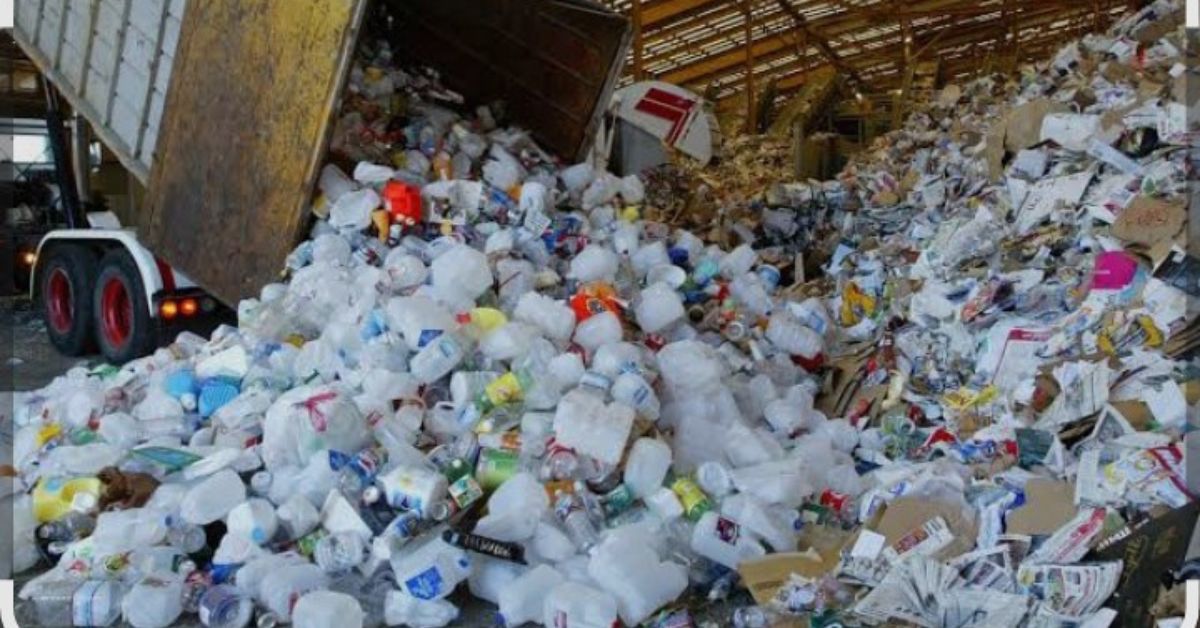
Sierra Leone has joined a growing global effort to tackle the escalating plastic waste crisis, as new data highlights the scale of the challenge and local communities confront its visible impacts.
According to findings by the Organisation for Economic Co‑operation and Development in its Global Plastics Outlook (2022), and a 2025 study published in Communications Earth & Environment, only about 10 percent of plastic waste worldwide is recycled. The remaining 90 percent accumulates in landfills, waterways, and oceans, posing serious environmental and public health risks.
In Freetown, the consequences of this global trend are becoming increasingly evident. Recent clean-up exercises in Regent uncovered bridges heavily clogged with discarded plastics, blocking drainage systems and contributing to flooding. Officials reported that only a small portion of the collected waste was suitable for recycling.
The situation has attracted international attention, prompting intervention from the United Nations Development Programme, which has launched a pilot initiative across six countries: Sierra Leone, Nigeria, South Africa, Tunisia, China, and Vietnam. Each participating country received $150,000 to support community-driven solutions aimed at improving waste management practices.
In Sierra Leone, 22 organisations applied for funding under the programme, with 10 shortlisted. The Hands Development and Social Transformation Organisation was ultimately awarded $25,000 to implement a recycling project across Western Urban and Rural districts.
The project targets key waste “hotspots,” including Regent, Brookfields, and Lumley, where indiscriminate dumping is most prevalent. Early activities have focused on clearing plastics from blocked waterways, sorting recyclable materials, and transferring them to local processing entities. Non-recyclable waste is being managed in collaboration with the Freetown City Council.
Stakeholders involved in the initiative have underscored the broader implications of plastic pollution. Grace N. Piloya, Director General of the implementing organisation, stated that plastic waste extends beyond what is visible, eventually entering marine ecosystems and the food chain.
UNDP representatives say the pilot forms part of a wider global effort to improve recycling rates and promote sustainable waste management systems.
As part of the programme, five representatives from participating organisations in Sierra Leone are expected to present their projects at an upcoming international event in China. The event aims to attract further investment and support the scaling of successful recycling models.
While the initiative marks progress in addressing waste management challenges in Sierra Leone, stakeholders stress that long-term success will depend on sustained behavioural change, stronger waste management systems, and continued investment in recycling infrastructure.


