

 1 Comment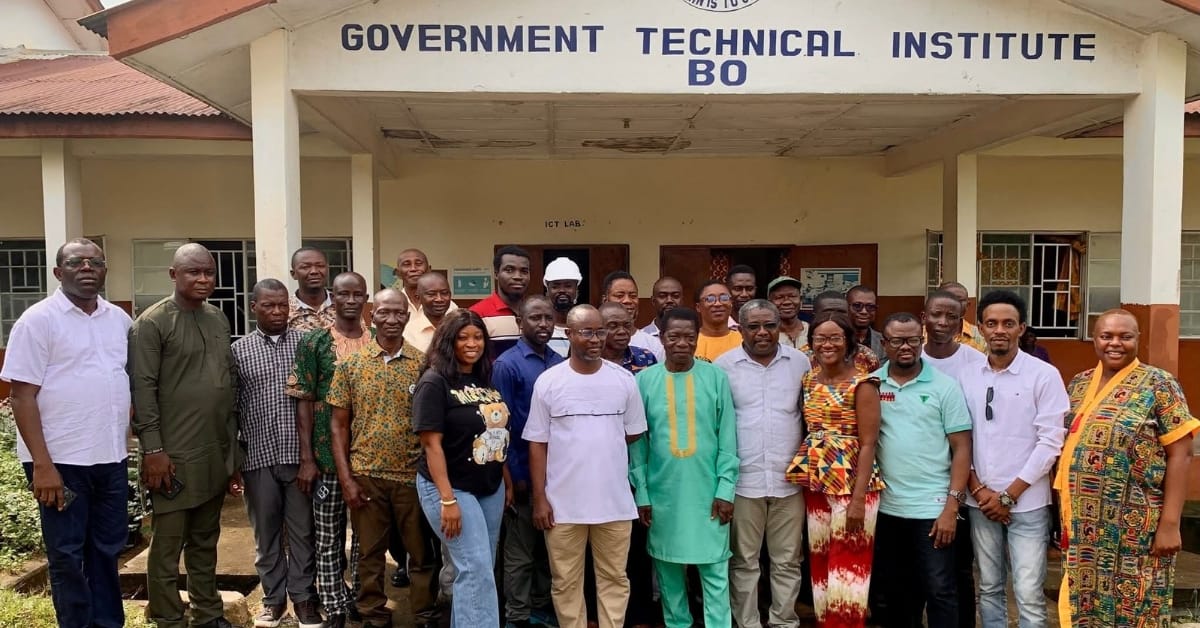
The Ministry of Technical and Higher Education (MTHE), in collaboration with UNDP, has continued its regional consultations on the draft Competency-Based Industrial Plumbing Curriculum for SL-NQF, Levels 1-6.
The workshop, held at the Government Technical Institute in Bo, focused on reviewing the draft, assessing its alignment with national standards, and gathering expert input ahead of national validation.
MTHE’s Chief Technical and Higher Education Officer, Dr. Joseph Brimah, emphasized the importance of strengthening Sierra Leone’s technical capacity and taking ownership of national development.
He used examples from the mining and agriculture sectors to illustrate how the country continues to lose value because of limited technical skills, underscoring that a strong TVET system is key to reversing longstanding challenges.
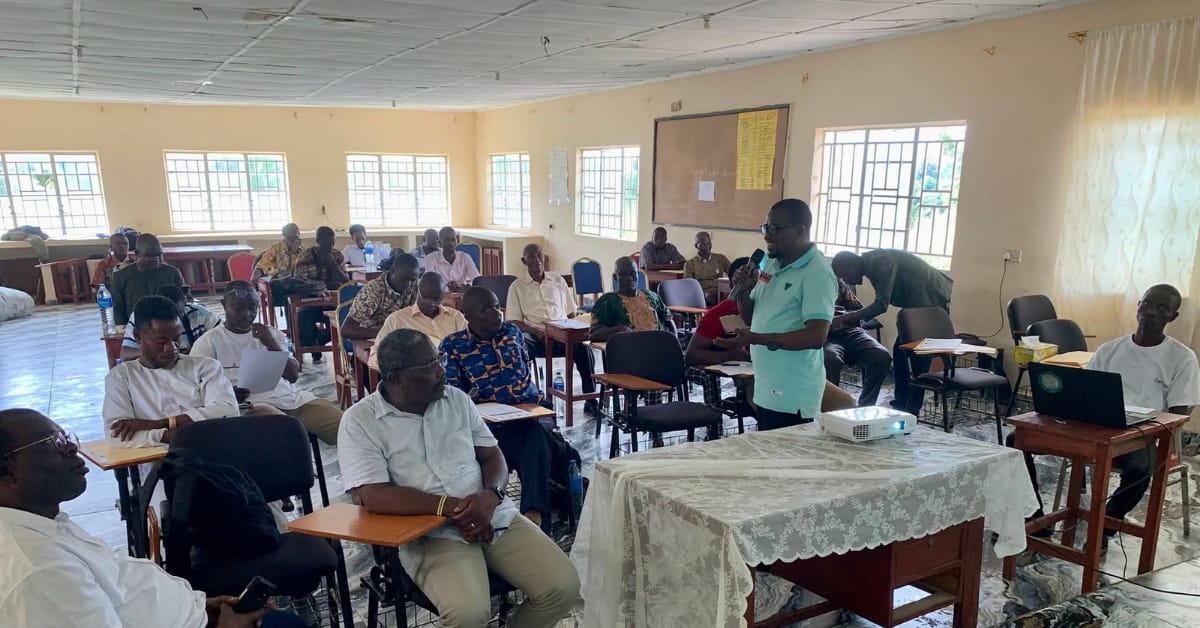
MTHE’s Director of TVET, Abdul A.B. Senesie, outlined the Ministry’s reforms since 2018, explaining that the process began with policy development and benchmarking global best practices. He noted that the 2019 TVET Policy created a solid foundation for expanding quality assurance and restructuring the National Council for Technical and Vocational Education (NCTVE) into a more comprehensive regulatory body.
He also detailed the complexity of developing the national qualifications framework and said the shift to competency-based curricula was designed to align training with industry needs and make learning more flexible and learner-centered.
Furthermore, Senior Education Officer, Augustine Alie, added that the Ministry had been working consistently to strengthen technical and higher education. He explained that consultants and technical experts had spent the past three months producing the draft plumbing curriculum, and he called on participants to examine the level classifications carefully and suggest adjustments where necessary. According to him, stakeholder input was essential for finalizing and successfully implementing the curriculum.
Dr. Daniel Lavalie, MTHE’s Deputy Director for the Southern Region, encouraged participants to contribute their expertise fully. He said that their input would help shape a curriculum capable of strengthening the TVET system and improving training outcomes across institutions.
The workshop concluded with a series of presentations by Lead Consultant Ing. Alfred Abu, who provided an overview of the session’s objectives, the National Qualifications Framework, the principles of Competency-Based Education and Training, and the methodology guiding the development of the Industrial Plumbing Curriculum.


It’s a very good move especially for us young sierraleoneans.