

New Report Flags Sierra Leone as Emerging Transit Point in Global Drug Trade
 Osman Tolo Sesay
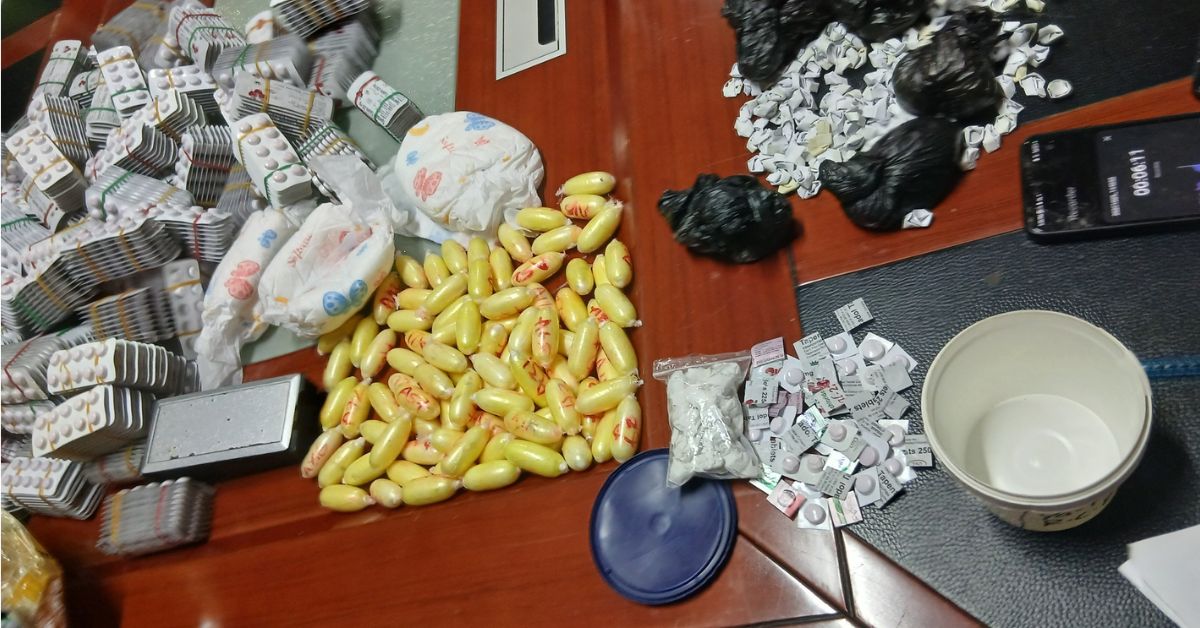
 Recent international assessments have raised fresh concerns over Sierra Leone’s growing involvement in transnational drug trafficking networks, particularly within West Africa’s expanding cocaine and synthetic drug routes.
The ENACT 2025 Organized Crime Index and analysis by the Global Initiative Against Transnational Organized Crime identify Sierra Leone as an increasingly important transit point within the region’s so-called “Western Hub” of illicit drug activity.
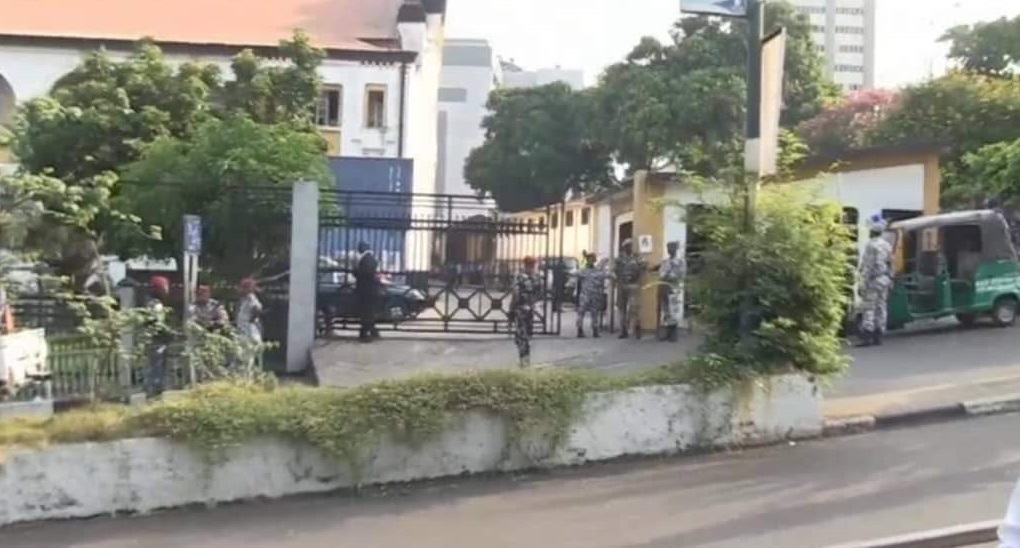
According to the reports, the country’s strategic coastal location, coupled with gaps in border control and port oversight, has made it vulnerable to exploitation by international trafficking syndicates.

Freetown’s main seaport has been highlighted as a key logistical node linked to major global trafficking corridors, including connections to Brazil’s Port of Santos and Belgium’s Port of Antwerp—both widely recognised hubs in global cocaine distribution networks.

The findings suggest that these links reflect the increasing integration of West African coastal states into international narcotics supply chains.
Beyond cocaine trafficking, the assessments also point to a growing domestic drug crisis, driven largely by the spread of synthetic substances such as kush. The drug, which has gained rapid popularity among young people, has been associated with rising cases of addiction, mental health complications, and deaths, particularly in urban communities.
The reports further warn of broader governance and security risks. Weak enforcement capacity, corruption vulnerabilities, and limited control over imports are identified as key factors enabling both international trafficking and local drug proliferation.
According to the Global Initiative Against Transnational Organized Crime, Sierra Leone’s situation reflects a wider regional trend, where criminal networks exploit porous borders and under-resourced maritime surveillance systems across West Africa.
To address these challenges, the reports call for urgent reforms, including strengthened port and maritime security, improved cross-border intelligence sharing, tighter customs controls, and expanded public health responses focused on prevention and rehabilitation.
They also stress the need to tackle corruption and enhance accountability within law enforcement institutions.
While acknowledging ongoing government reform efforts, the assessments caution that sustained and coordinated action will be necessary to reduce Sierra Leone’s exposure to global drug trafficking networks.