

 Post a comment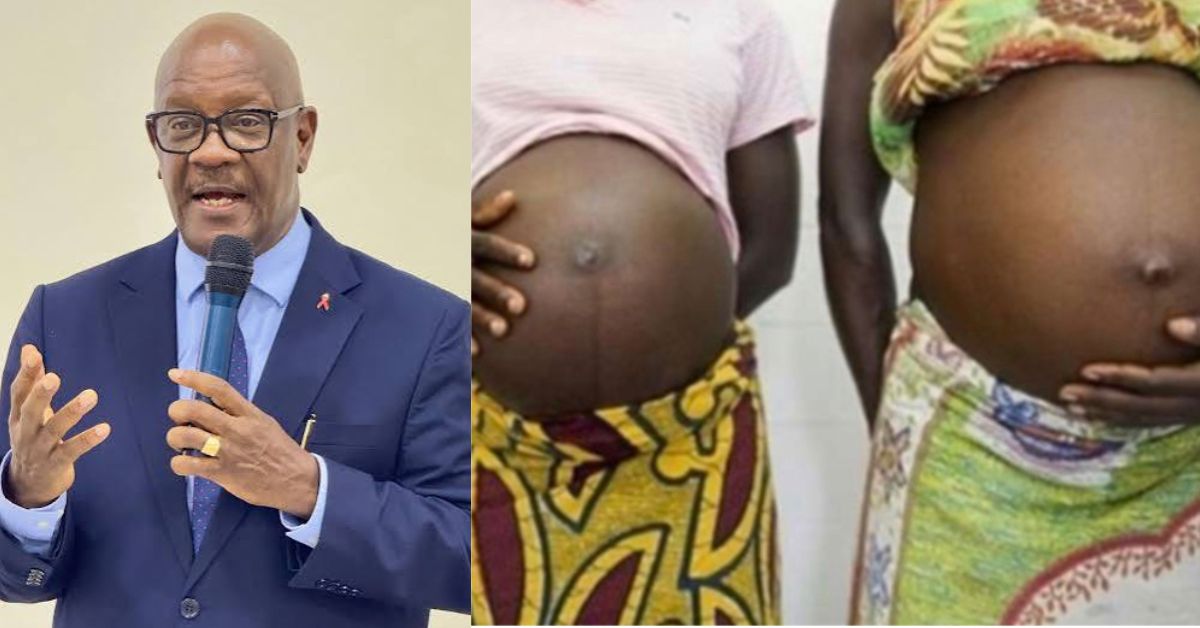
Sierra Leone’s Minister of Health, Dr. Austin Demby, has confirmed that the country records approximately 450,000 pregnancies each year.
This revelation was made as part of the government’s ongoing efforts to address maternal health issues, reduce adolescent pregnancies, and improve overall healthcare services.
In 2025, the country made major strides towards enhancing maternal health, particularly focusing on reducing adolescent pregnancies and improving the quality of care.
Demby confirmed the government’s focus on new national strategies, such as a landmark initiative launched in February to combat child marriage and teenage pregnancy. The strategy is part of a broader effort to create a healthier, more sustainable future for young women in Sierra Leone.
A key element of the strategy is the increased emphasis on midwife training and the adoption of modern technology. Notably, the CRADLE vital signs monitor, which helps track vital signs in pregnant women, has been deployed across the country as part of efforts to reduce maternal mortality and improve the management of pregnancies.
This technological advancement is being hailed as a significant contribution to better healthcare, as demonstrated in studies and launches conducted earlier in 2025.
Dr. Demby also pointed to the launch of the National Strategy on Adolescent Pregnancy and Child Marriage (2025-2030), which aims to address the high rates of early childbearing.
The strategy recognizes the far-reaching impact of early pregnancies on youth development and seeks to empower young people, particularly in rural areas, by reducing the incidence of child marriages and teenage pregnancies.
The Sierra Leone Midwives Association (SLMA), along with international partners such as UNFPA Sierra Leone, has been at the forefront of these efforts. They have played a vital role in training health workers and incorporating digital tools into healthcare services to ensure better care for pregnant women and newborns.
In line with global health initiatives, the World Health Organization (WHO) and the Ministry of Health have also been running campaigns to reduce preventable maternal and newborn deaths.
According to Dr. Demby, while Sierra Leone has seen improvements in the Maternal Mortality Ratio (MMR), preventable deaths remain a serious concern. Conditions like haemorrhage, hypertension, and obstructed labor are still leading causes of maternal deaths in the country.
A Lancet study conducted in October 2025 provided further evidence of the country’s progress. The study showed positive results from the use of the low-cost CRADLE device to monitor vital signs in pregnant women, a tool that has improved care quality across Sierra Leone.
Despite the positive developments, adolescent pregnancy continues to be a challenge, particularly in rural areas, where early childbearing is still prevalent.
The government and its partners are reportedly working to address this issue through education, policy interventions, and continued investment in healthcare systems.


