

 Post a comment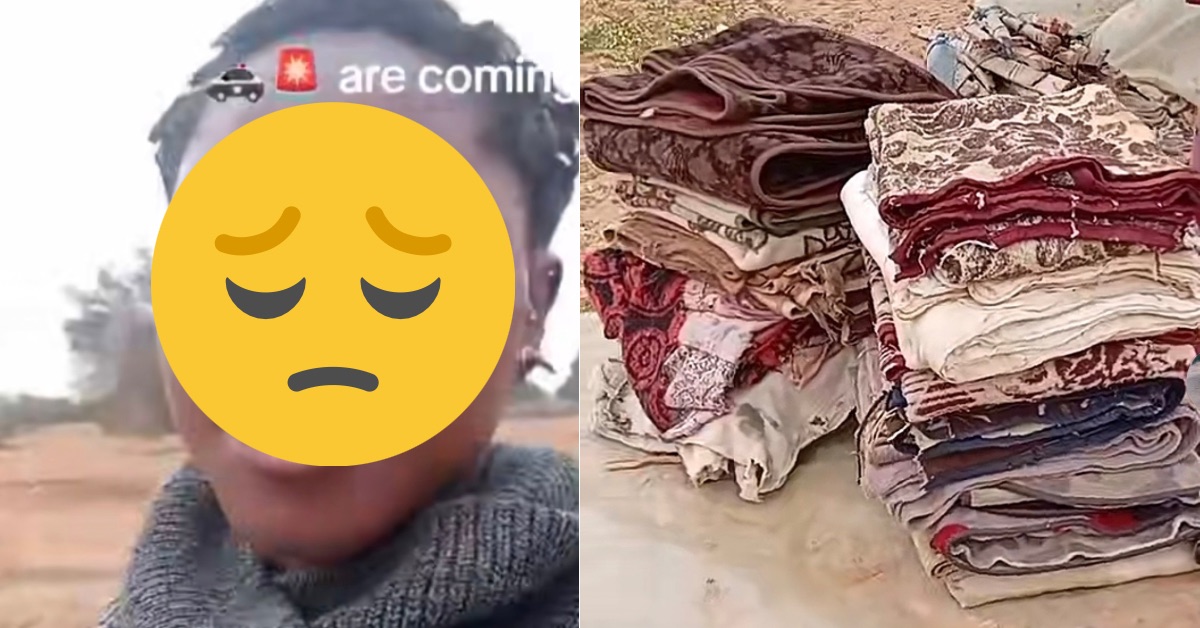
A group of Sierra Leonean migrants in Tunisia has been forced into hiding after an overnight police raid dismantled their makeshift camp, leaving dozens of people, including young children, exposed to harsh winter conditions in the North African country.
According to one of the migrants, identified as Marie, Tunisian police stormed the informal settlement late at night, destroying shelters and forcing residents to flee. Marie shared her account on social media, describing the incident as sudden and traumatic.
“The police came and destroyed our camp, and now we are helpless,” she said. “Since our makeshift structures were destroyed, we have been unable to set up another one.”
Marie, who is in Tunisia with her three toddler-aged children, said the group has struggled to survive since the raid. With no shelter, migrants have been left vulnerable to cold temperatures and heavy winter rains, worsening an already dire humanitarian situation.
The camp was reportedly made up primarily of Sierra Leonean nationals who had fled economic hardship and unemployment at home in hopes of reaching Europe. Many are attempting to cross the Mediterranean Sea via routes controlled by human smugglers, a journey commonly referred to among migrants as “Boza.” The crossings are notoriously dangerous, with thousands having drowned in the sea over the years.
Beyond the perilous sea journey, migrants say they face mounting pressure and mistreatment from Tunisian authorities. Reports of crackdowns on sub-Saharan African migrants have increased in recent years. A 2025 Al Jazeera documentary documented allegations of abuse, including arbitrary arrests, forced evictions, and violence against migrants in Tunisia.
Human rights groups have linked the intensified enforcement to a migration agreement signed between Tunisia and the European Union in July 2023. Under the memorandum of understanding, the EU pledged more than €100 million to support Tunisia’s border control, coastal surveillance, and migrant interception efforts. An additional €150 million was earmarked to help stabilise Tunisia’s struggling economy.
Since the deal was signed, migrant advocates say Tunisian authorities have adopted tougher migration policies, including prolonged detentions and alleged mistreatment of undocumented migrants. Tunisian officials have previously denied systematic abuse, insisting their actions are aimed at combating irregular migration and smuggling networks.
Despite the risks and deteriorating conditions, Marie said returning home is not an option for many in the group. Like others in the camp, she remains determined to attempt the Mediterranean crossing rather than return to Sierra Leone, where she says opportunities are scarce.
“We are just trying to survive,” she said. “We still hope for a better future.”


