

SLEWRC Launches Nationwide Roadshow to Explain Electricity Tariffs
 Deborah Sorie
 The Sierra Leone Electricity and Water Regulatory Commission (SLEWRC) has launched a nationwide roadshow to help the public understand electricity tariffs and the updated Multi-Year Tariff Order (MYTO) II Tool.
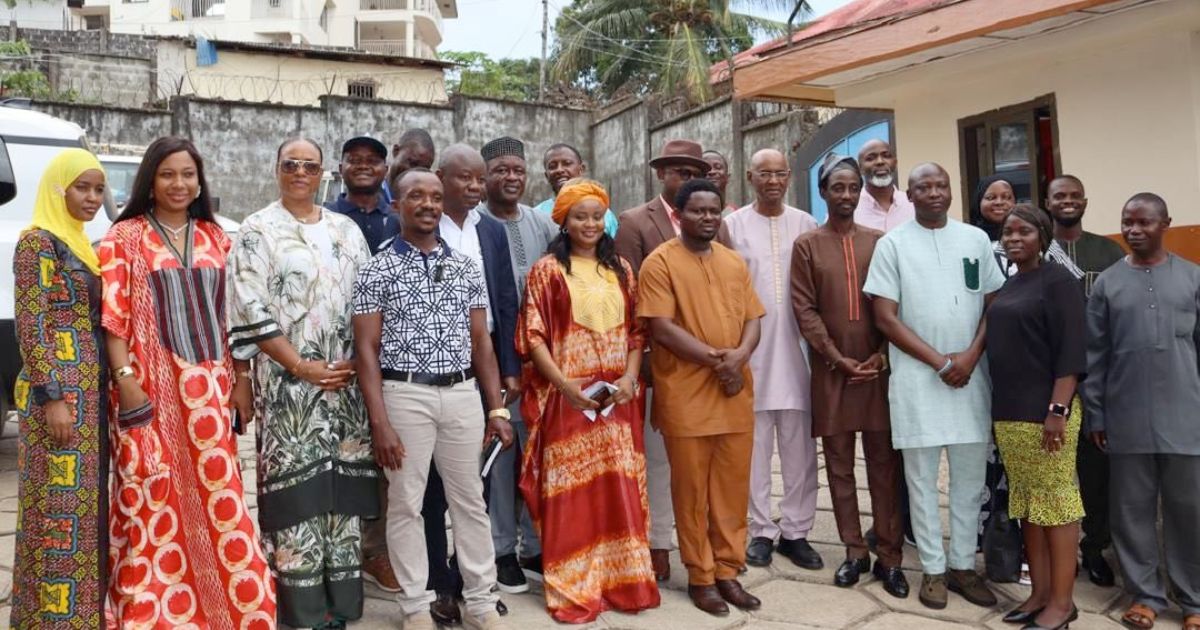
The launch took place Friday at the Commission’s headquarters in Wilberforce, Freetown, bringing together journalists, mini-grid operators, development partners and energy sector stakeholders. The European Union is funding the initiative through the Salone Off-Grid Renewable Energy (SOGREA) Project, implemented by UNOPS and Sustainable Energy for All (SEforALL).
Speaking at the event, SLEWRC Director General Festus Kallay said the MYTO II framework and the accompanying public awareness campaign mark an important step in Sierra Leone’s electricity sector reforms.

According to him, the MYTO framework ensures fair and predictable electricity tariffs while preventing arbitrary or politically influenced pricing. He added that transparent tariff systems are essential for attracting investment into the country’s renewable energy sector.


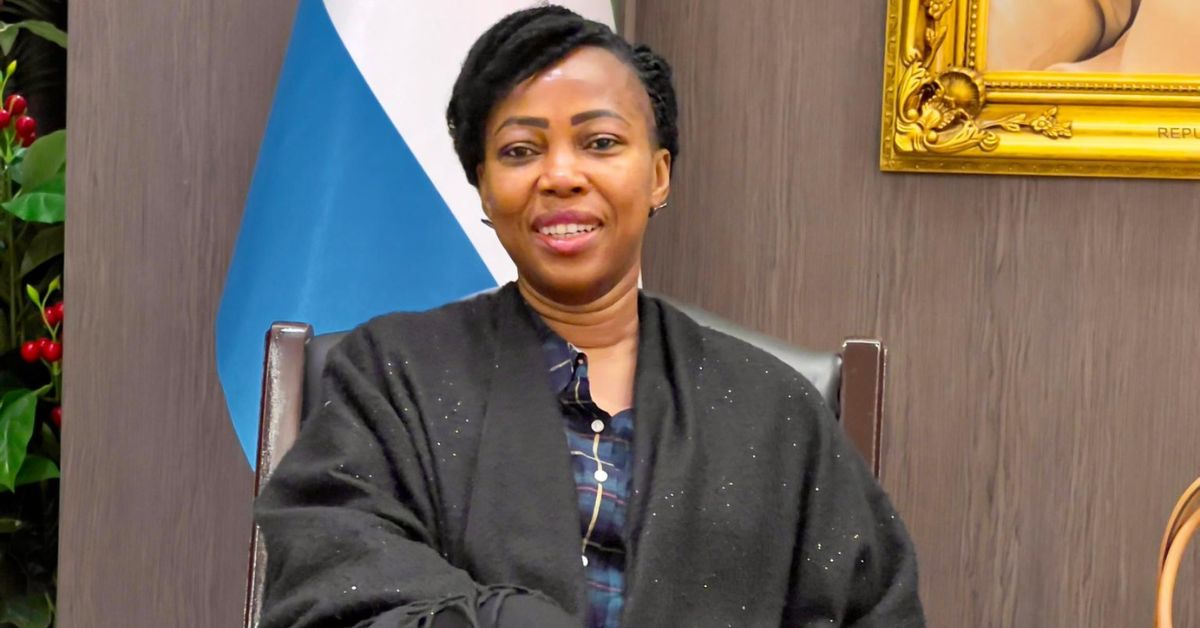
“We are embarking on a nationwide roadshow to bring the conversation directly to the people,” Mr. Kallay said. “This process is about creating a transparent system that protects consumers while encouraging investment and sustainable electricity supply.”
The roadshow will run from May 18 to May 25, visiting Moyamba Town, Koribondo, Kono, Makeni and Feredugu. Organizers said the outreach will allow direct dialogue among local communities, electricity consumers and mini-grid operators.
Deputy Minister of Energy II, Dr. Abdul Jalloh, commended SLEWRC and its partners, noting that poor communication has been a long-standing challenge in Sierra Leone’s energy sector. He urged the team to clearly explain why tariffs differ across communities.
“People need to understand that electricity is not free and that there are costs involved in generating and supplying power,” Dr. Jalloh said.
Alfred Kaima, Head of Economic Regulation at SLEWRC, provided a technical explanation of the MYTO framework. He said MYTO determines electricity tariffs based on actual operational costs submitted by service providers, including expenses for solar panels, batteries, fuel and maintenance.
“MYTO is based on data, costs and clear rules,” Kaima explained. “It applies equally to everyone regardless of where they live.”
He added that tariffs are usually set for periods of three to five years, and SLEWRC reviews all tariff applications while monitoring service quality.
Representatives from PivotPath said the campaign will include roadshows, radio discussions, jingles and stakeholder engagements. Officials from UNOPS and SEforALL also reaffirmed their support for the initiative.
The press conference ended with a question-and-answer session where journalists and operators raised concerns about tariff calculations and electricity access in rural communities.