

 Post a comment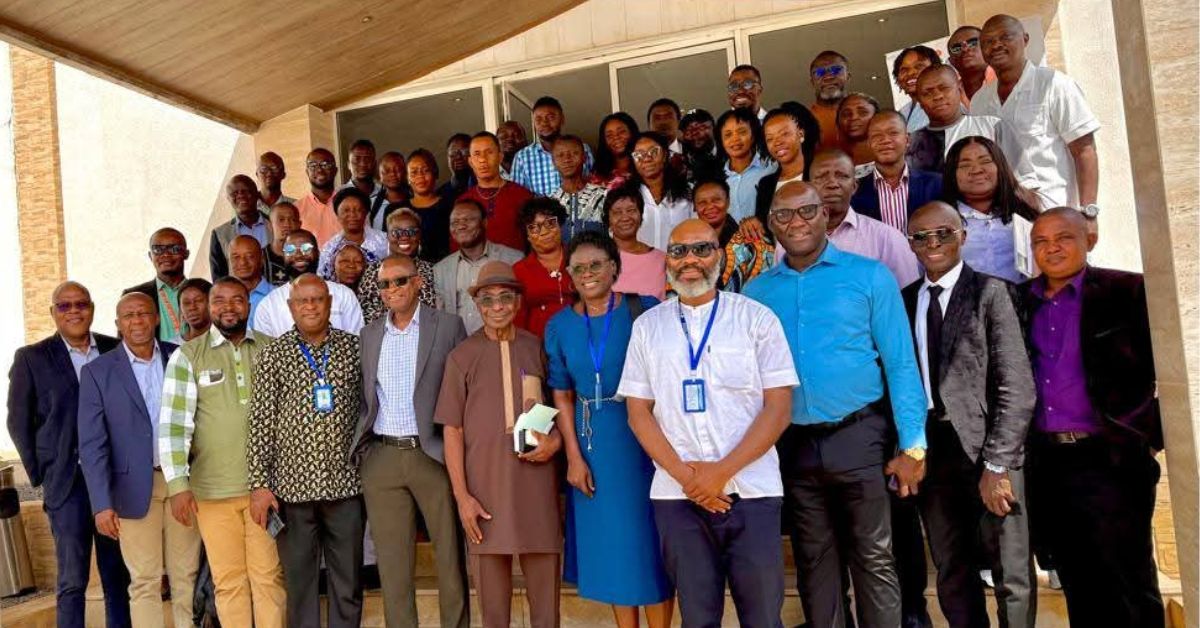
Statistics Sierra Leone (Stats SL), with support from UNFPA Sierra Leone, has reaffirmed its commitment to delivering a credible, inclusive, and people-centred 2026 Population and Housing Census, following the successful conclusion of a three-day self-evaluation workshop on the Pilot Census conducted in December 2025.
The workshop brought together key stakeholders and technical experts to critically assess the outcomes of the pilot exercise. This initiative forms part of broader preparatory efforts aimed at strengthening the quality, transparency, and reliability of the upcoming national census.
The primary objective of the workshop was to review operational and technical processes, identify strengths and gaps, and generate practical recommendations to enhance future census activities. Participants engaged in in-depth discussions on administrative and field operations, data collection methodologies, logistics, stakeholder engagement, and the effective use of technology during the pilot phase.
Attendees included senior management and technical staff of Statistics Sierra Leone, census coordinators, district census officers, publicity officers, field supervisors and monitors, data analysts, subject matter specialists, representatives from key government ministries, departments and agencies, and members of the donor community.
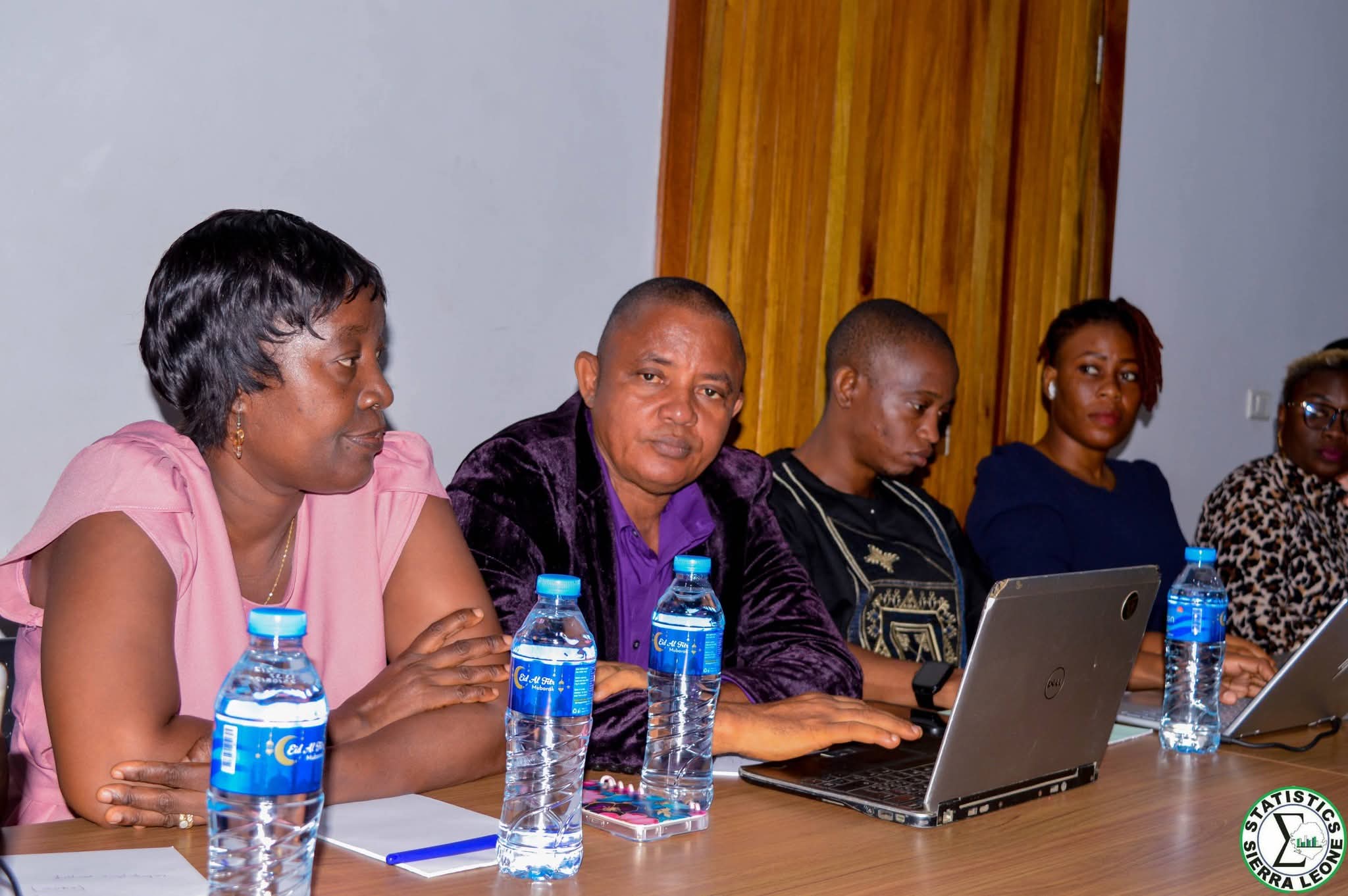
In his remarks, the Statistician General of Stats SL, Andrew Bob Johnny, emphasised that the self-assessment exercise demonstrates the institution’s commitment to transparency, accountability, and continuous improvement. He noted that lessons learned from the pilot census will play a critical role in refining strategies and ensuring the successful execution of the main census enumeration in December 2026.
Also speaking at the workshop, the representative of the United Nations Population Fund (UNFPA), Mr Samuel Palmer, underscored the critical importance of a national census as a foundation for effective planning, resource allocation, and sustainable development. He reaffirmed UNFPA’s commitment to supporting the Government of Sierra Leone and Statistics Sierra Leone in delivering a credible and inclusive census.
He further emphasised the importance of collaboration, capacity building, and the adoption of international best practices to ensure the success of the 2026 census.
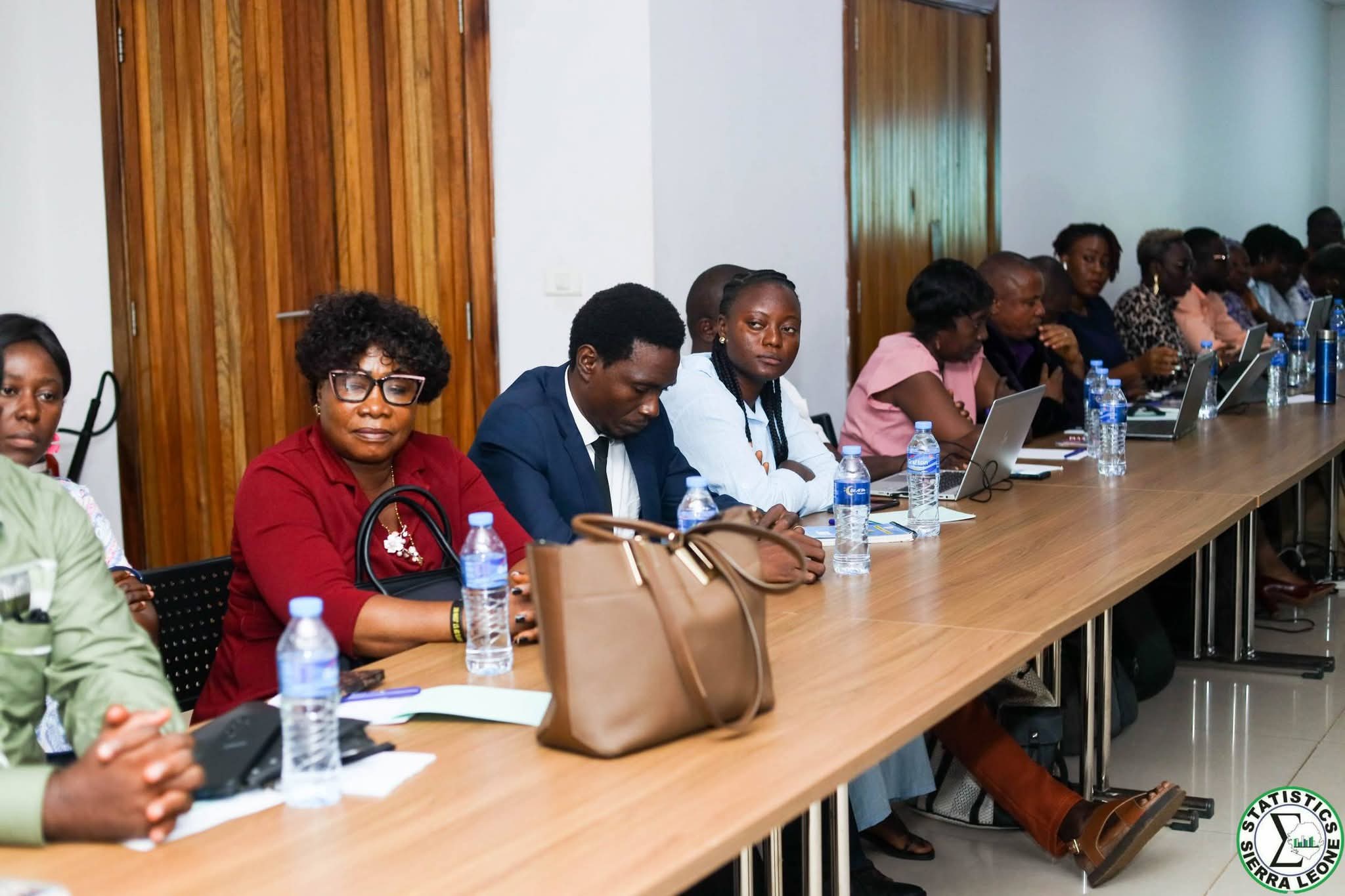
Participants expressed satisfaction with the level of collaboration and openness throughout the workshop, highlighting the importance of collective ownership in national data processes. The interactive sessions provided a platform for sharing experiences, addressing challenges encountered during the pilot, and proposing innovative solutions.
The conclusions drawn from the workshop are expected to inform key decisions, including improvements in training, deployment strategies, public awareness campaigns, and data collection and management systems.


