

Tourism Ministry Warns on Single-Use Plastics, Urges Shift to Reusable Options
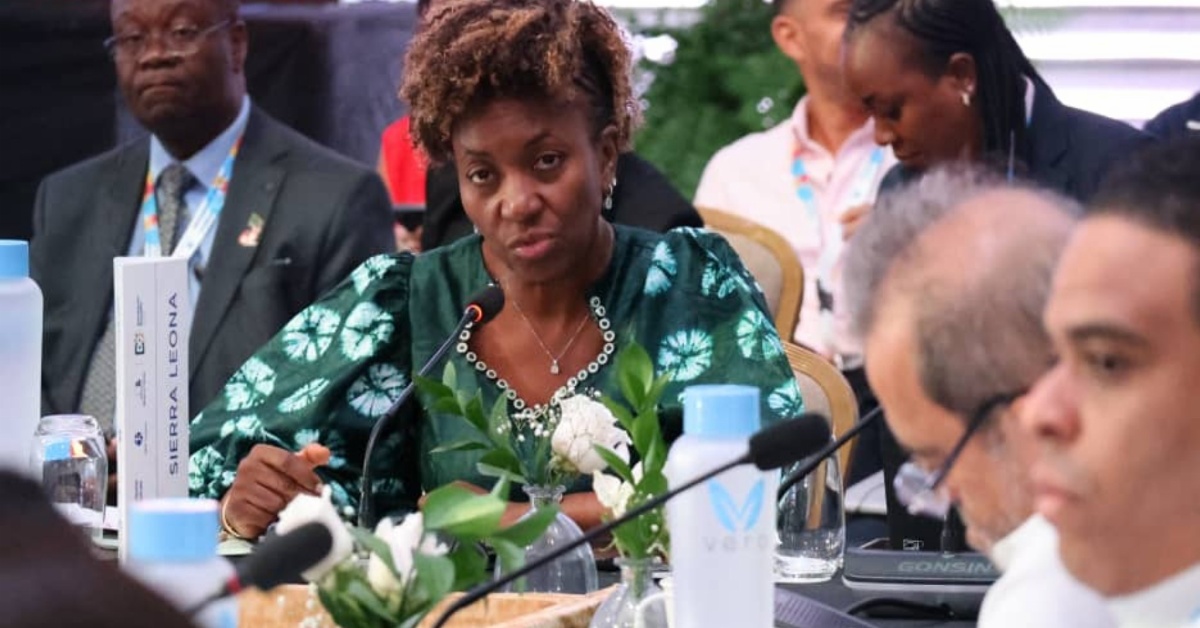
 Sahid Bangura
 The Ministry of Tourism and Cultural Affairs has raised concern over the growing impact of single-use plastics on Freetown’s environment and tourism sector, calling for urgent behavior change and the adoption of sustainable alternatives.
Speaking during the weekly government press conference marking Go Circular Week 2026, Senior Tourist Officer Tamba Sheiku Bundor described plastic waste as a major environmental challenge, particularly in urban areas of the capital.
He said the widespread use and careless disposal of items such as water sachets, plastic bottles, shopping bags, and disposable cutlery are contributing significantly to pollution, especially along beaches.


Bundor noted that plastics themselves are not entirely the problem, but rather the way they are used and disposed of. He emphasized that poor waste management practices and individual behavior are key drivers of the issue.
According to him, much of the waste found on beaches does not originate from tourism activities but is carried from inland communities through drainage systems.
He further observed that beaches in rural and less urbanized areas tend to remain cleaner, underscoring the role of urban habits in environmental degradation. This, he said, highlights the need for a broader shift in public attitudes toward waste disposal.
The Senior Tourist Officer stressed that addressing plastic pollution requires collective national responsibility. He stated that tourism development is not solely the responsibility of the Ministry but depends on the actions of every citizen, as individual behavior directly influences the country’s image and attractiveness to visitors.
Rather than calling for a total ban on plastics, Bundor advocated for practical measures, including reducing consumption, reusing materials, and embracing alternatives such as reusable containers. He added that such practices could also provide economic benefits by lowering costs for individuals and businesses over time.
The Ministry’s message during the press conference centered on promoting responsible consumption and sustainable practices as key steps toward protecting Freetown’s environment and strengthening its tourism potential.