

 4 Comments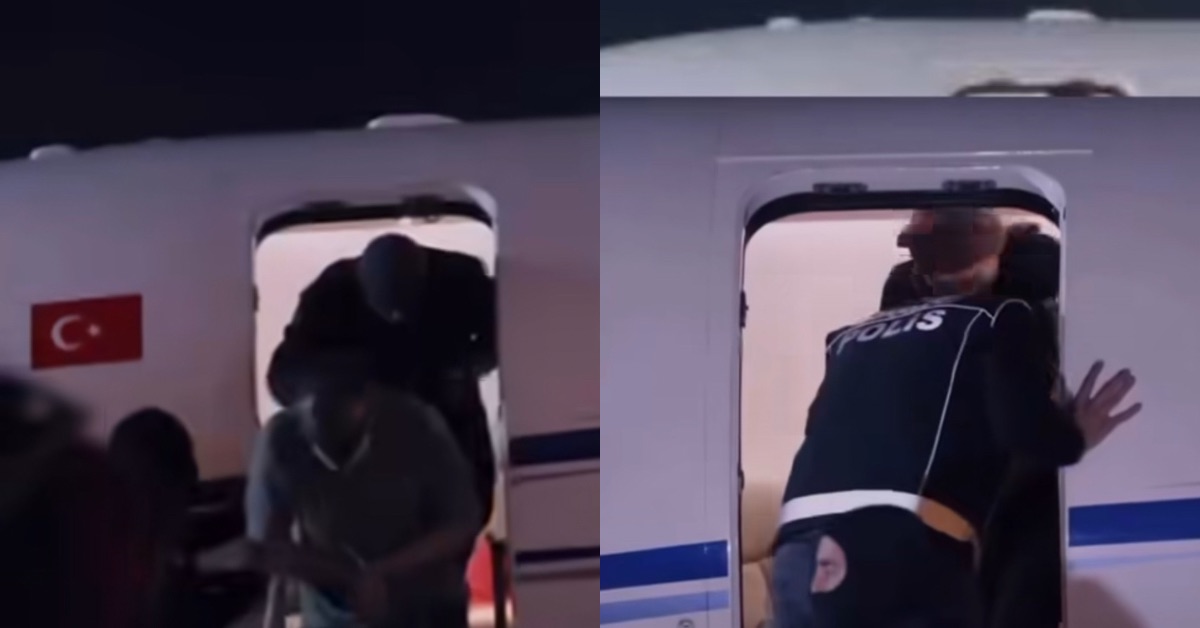
The Turkish authorities have extradited Abdullah “Don Vito” Alp Üstün, a known cocaine baron with ties to Jos Leijdekkers, from Dubai to Turkey early this morning on an Interpol Red Notice. Üstün is also alleged to be in possesion of a diplomatic Sierra Leonean passport.
Don Vito is accused of having links to international cocaine trafficking networks, judicial bribery, and other serious crimes. Üstün is said to be the brother-in-law of notorious European cocaine baron spotted in Sierra Leone, Jos Leijdekkers, widely known as “Bolle Jos.”
According to multiple sources, Üstün allegedly obtained the Sierra Leone diplomatic passport through the influence and connections of Bolle Jos. This development has once again brought global attention to the lingering scandals surrounding Sierra Leone’s diplomatic passport system and cocaine trafficking in the Gulf of Guinea.
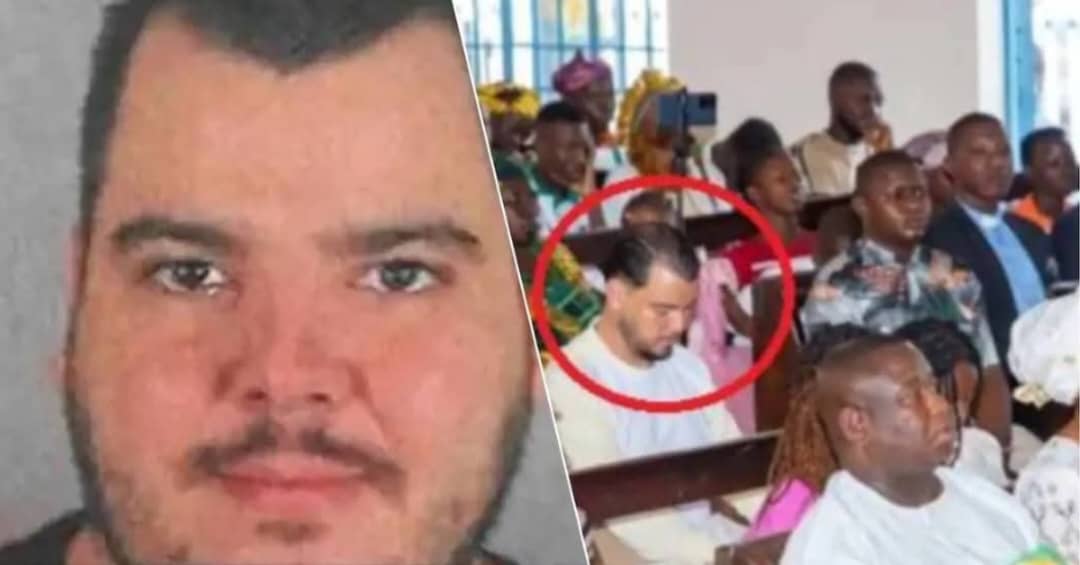
Bolle Jos, a known cocaine baron was spotted in Sierra Leone earlier this year attending mass with the First Family. Reports have confirmed that he was living in Sierra Leone and even a son-in-law to the President, Julius Maada Bio.
The investigations of Jos Leijdekkers continues to expose the deep entanglement between European cocaine trafficking networks and international corruption schemes that, regrettably, have touched Sierra Leone’s reputation.
Investigations in Europe have linked Bolle Jos to massive cocaine shipments routed through major ports such as Antwerp and Rotterdam, with connections stretching across South America, the Middle East, and West Africa. His operations, characterised by money laundering, violent enforcement, and sophisticated logistics reflect the scale of Europe’s multi-billion-dollar narcotics trade.
The alleged involvement of individuals connected to him, such as Don Vito, reportedly carrying a Sierra Leone diplomatic passport, has once again raised alarm over how official documents of the state may have been exploited by transnational criminal figures.
While there is no verified evidence that Sierra Leonean officials knowingly participated in Bolle Jos’s trafficking network, the repeated emergence of the country’s diplomatic credentials in criminal cases underscores serious governance and accountability challenges within its passport and foreign service systems.
Ultimately, the Bolle Jos saga stands as a cautionary tale not only of Europe’s ongoing battle against drug cartels but also of how weak state institutions and compromised systems can be manipulated to legitimise criminal enterprises on a global stage. Sierra Leone now faces the dual task of defending its integrity and reforming its diplomatic protocols to prevent its name from being dragged into the underworld of international crime again.
This is a developing story. Stay tuned right here for verified updates.


Ngor Maada don poil salone ihn name name, dignity and respect way ihn predecessors don maintain over the years.
It is absolutely unacceptable that our country’s most sacred documents—diplomatic passports, land titles, government-owned assets—are being handed out like trinkets to foreign drug lords and shady operators. The recent arrest in Turkey of a man traveling on a Sierra Leone diplomatic passport is not just a scandal. It is proof that the Bio government has transformed Sierra Leone into a playground for international crime.
When people who traffic in narcotics, bribe their way across borders, and plot financial crimes are granted “diplomatic status,” the message is clear: our state institutions have been compromised. The very office of the President, which should uphold the dignity and rule of law, is instead issuing the instruments of impunity.
Meanwhile, citizens watch as our lands are leased or sold to foreigners, as government property is parceled out without accountability, and as major rights and resources slip through corrupt back channels. If the government is not stopped, Sierra Leone will no longer be a nation of laws—but a cartel state, with its public institutions acting as accomplices.
To those still supporting Bio’s regime: ask yourself, which side of history do you want to be on—those who cling to power by violating the people’s trust, or those who call for transparency, justice, and restoration of national integrity?
#ReformNow #ProtectSierraLeone #Accountability
It is absolutely unacceptable that our country’s most sacred documents—diplomatic passports, land titles, government-owned assets—are being handed out like trinkets to foreign drug lords and shady operators. The recent arrest in Turkey of a man traveling on a Sierra Leone diplomatic passport is not just a scandal. It is proof that the Bio government has transformed Sierra Leone into a playground for international crime.
When people who traffic in narcotics, bribe their way across borders, and plot financial crimes are granted “diplomatic status,” the message is clear: our state institutions have been compromised. The very office of the President, which should uphold the dignity and rule of law, is instead issuing the instruments of impunity.
Meanwhile, citizens watch as our lands are leased or sold to foreigners, as government property is parceled out without accountability, and as major rights and resources slip through corrupt back channels. If the government is not stopped, Sierra Leone will no longer be a nation of laws—but a cartel state, with its public institutions acting as accomplices.
To those still supporting Bio’s regime: ask yourself, which side of history do you want to be on—those who cling to power by violating the people’s trust, or those who call for transparency, justice, and restoration of national integrity?
#ReformNow #ProtectSierraLeone #Accountability
It is absolutely unacceptable that our country’s most sacred documents—diplomatic passports, land titles, government-owned assets—are being handed out like trinkets to foreign drug lords and shady operators. The recent arrest in Turkey of a man traveling on a Sierra Leone diplomatic passport is not just a scandal. It is proof that the Bio government has transformed Sierra Leone into a playground for international crime.
When people who traffic in narcotics, bribe their way across borders, and plot financial crimes are granted “diplomatic status,” the message is clear: our state institutions have been compromised. The very office of the President, which should uphold the dignity and rule of law, is instead issuing the instruments of impunity.
Meanwhile, citizens watch as our lands are leased or sold to foreigners, as government property is parceled out without accountability, and as major rights and resources slip through corrupt back channels. If the government is not stopped, Sierra Leone will no longer be a nation of laws—but a cartel state, with its public institutions acting as accomplices.
To those still supporting Bio’s regime: ask yourself, which side of history do you want to be on—those who cling to power by violating the people’s trust, or those who call for transparency, justice, and restoration of national integrity?
#ReformNow #ProtectSierraLeon