

 1 Comment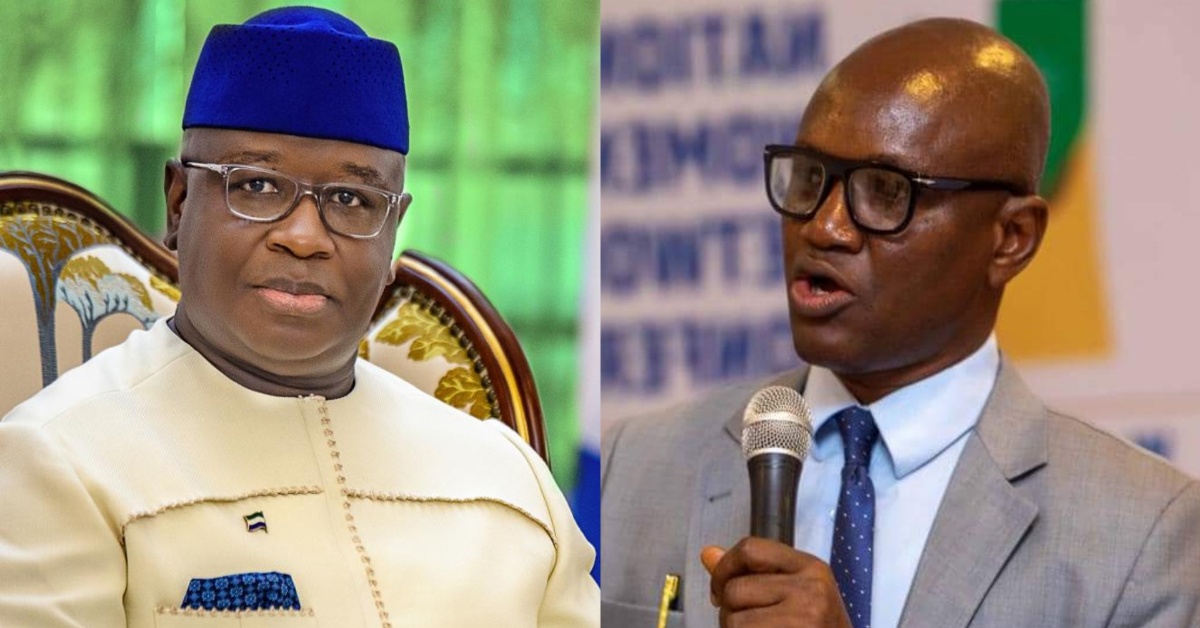
Renowned journalist and BBC reporter Umaru Fofanah has welcomed Sierra Leone’s first-ever Remembrance Day, describing it as a long-overdue act of national conscience and common sense.
On 18 January 2026, Sierra Leone officially marked, for the first time, a day of remembrance to honor the end of the country’s brutal decade-long civil war. While the occasion has been widely applauded, Fofanah noted that it took 24 years after the war’s end for such a day to be formally recognized.
“Like many others, I kept calling for this day for nearly two decades,” Fofanah said, lamenting that successive governments paid little or no attention to the calls. According to him, state authorities were often quick to commit resources, time, and emotion to commemorating the end of the Second World War, while neglecting the immense sacrifices made during Sierra Leone’s own conflict.
He stressed that the country failed for years to adequately honor its own fighters, the innumerable Nigerian troops who died defending Sierra Leone, and the tens of thousands of civilians who were butchered, massacred, or maimed by the Revolutionary United Front (RUF). He also recalled the deaths of foreign missionaries who lost their lives while serving the country, including Father Macalister and other Catholic priests killed by rebel forces.
With the declaration of Remembrance Day now in place, Fofanah urged political leaders to go beyond symbolism. He called on politicians, both in government and in opposition, to reflect deeply on the root causes of the civil war, which are clearly documented in the Truth and Reconciliation Commission (TRC) reports.
“These politicians must walk the walk,” he emphasized, “by behaving responsibly in power and in opposition, improving the lives of citizens, and ensuring that Sierra Leone is spared another chapter of destruction.” He concluded with a solemn prayer for the victims of the conflict:
“May all the innocent souls rest in perfect peace, and may Allah grant them Jannah.”
The inaugural Remembrance Day stands as a historic milestone, offering Sierra Leone an opportunity not only to mourn its past but also to recommit itself to peace, accountability, and national unity.


Anything, that can ignite insurgent must be treated with care by government as stated by my mentor, Umaro Forfana. Logically, the 11 years civil war in Sierra Leone that is now described as “senseless war” was a result of greed, self interest and family politics. We are sensing the same. Some qualified and excellent Sierra Leoneans are denied of employment because of the political aufait, and eventually be replaced by cronyisms that cannot function in the capacity. Sierra Leone’s interest should be a common interest for all Sierra Leoneans, and party interest be party interest for better Sierra Leone. What’s the difference between Sierra Leone to any other countries in the world? Why United States, France, Germany, Japan and England are farer ahead of Sierra Leone? Maybe, we don’t love our country, Sierra Leone, because we love our country, the same to it’s people.