

 Post a comment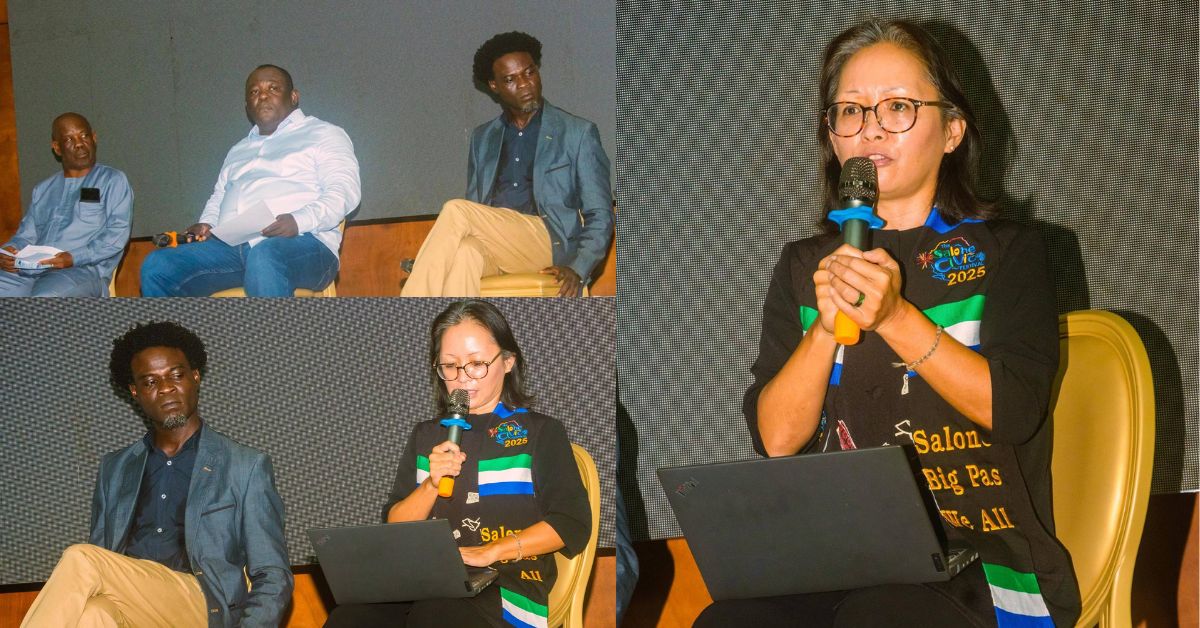
The United Nations Educational, Scientific and Cultural Organization (UNESCO) has called on Sierra Leoneans to critically engage with the country’s past as a means of strengthening national development and safeguarding lasting peace.
Delivering a keynote message at a side event of the Salone Civic Festival on December 13, UNESCO’s Dr Yoshie Kaga stressed that understanding violent histories is essential to preventing their recurrence and building a resilient future. “The past lives with us,” she told participants. “Not to haunt us, but to teach us.”
Addressing policymakers, educators and young people, Dr Kaga cautioned that ignoring painful chapters of history risks repeating them. She noted that education and collective memory are powerful tools for healing societies emerging from conflict.
She outlined UNESCO’s global approach to peacebuilding, emphasizing the critical role of young people in shaping societies founded on peace, accountability and shared responsibility. According to her, education about past violence is not merely an academic exercise but a foundation for sustainable peace and development.
Drawing from UNESCO’s 2023 Recommendation on Education for Peace, Human Rights and Sustainable Development, Dr Kaga highlighted the importance of teaching about violent pasts in Sierra Leone and across the world. She particularly engaged young people, urging them to see themselves as key actors in building a peaceful and inclusive future.
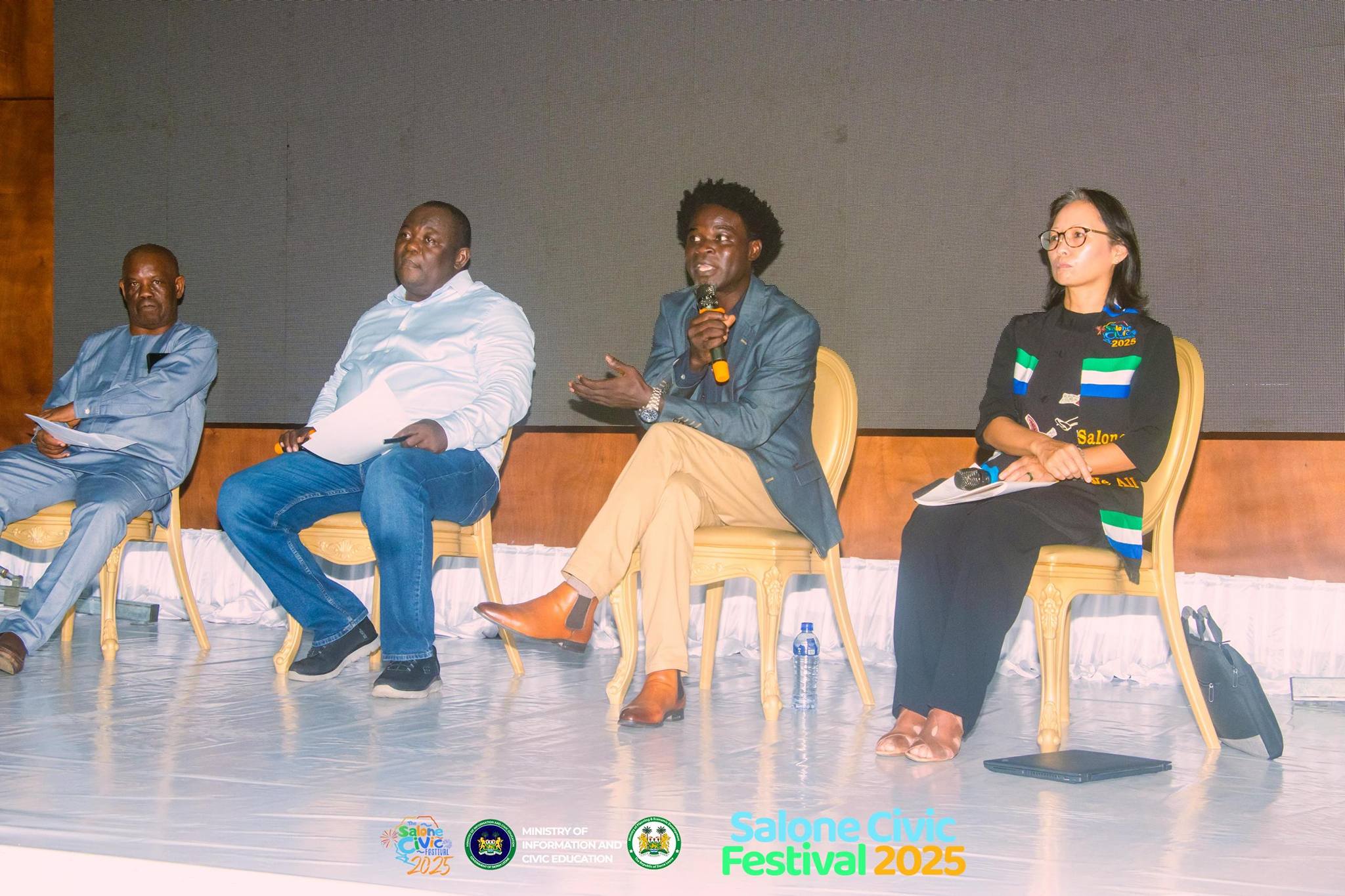
Dr Kaga also informed the audience that UNESCO has launched a new global online course for teachers and civic educators. She encouraged schools and educational institutions to take advantage of the practical tools, methodologies and examples provided to support effective teaching about violent pasts in ways that promote peace and reconciliation.


