

World Bank Delegation Inspects Key Infrastructure and Health Projects in Sierra Leone
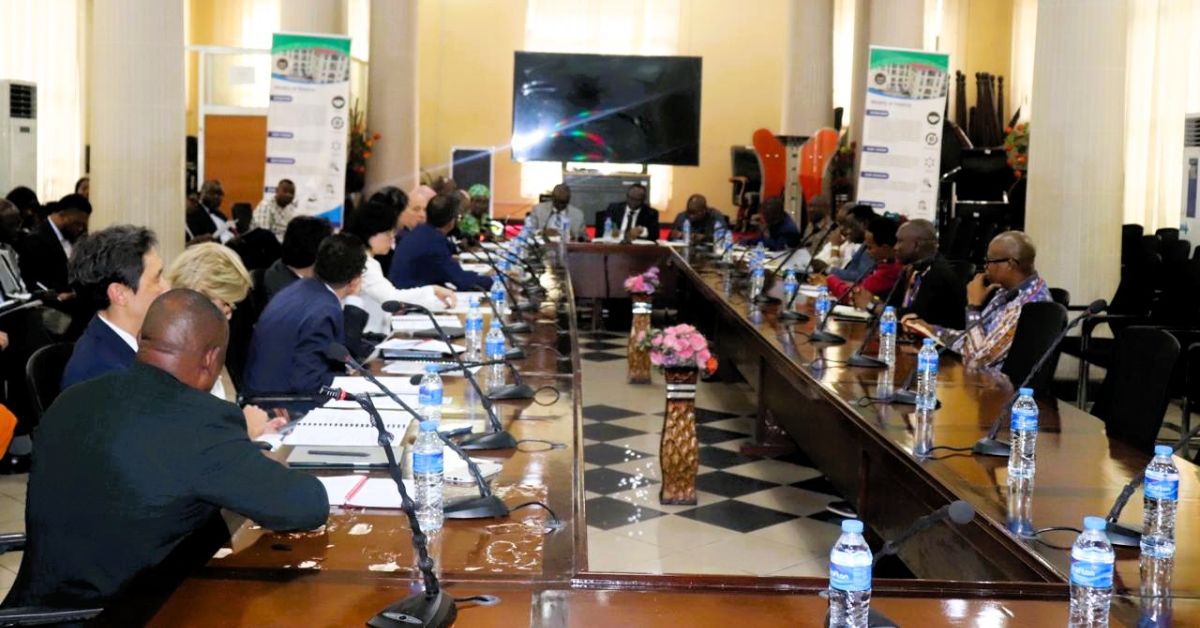
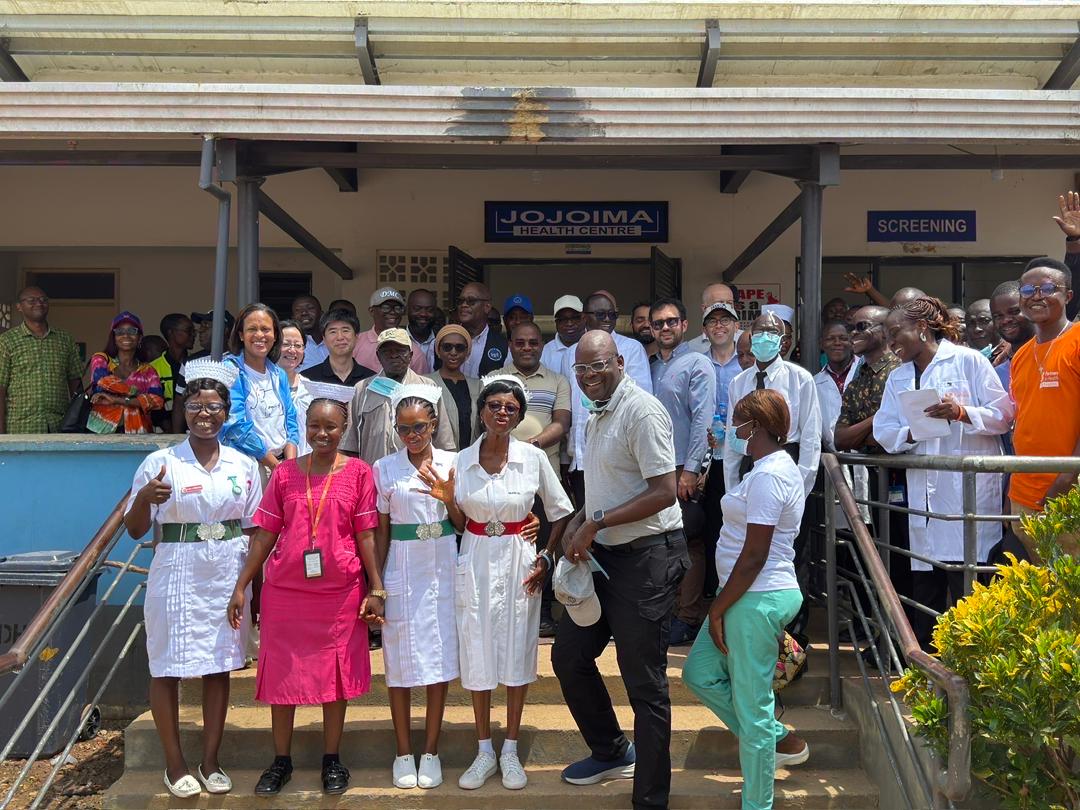
A high-level delegation from the World Bank Group has concluded a three-day working visit to Sierra Leone with field inspections of key development projects, including the Manowa Bridge and the Jojoima Health Centre in Kailahun District.
The visit, which ended on Sunday, is described as one of the largest World Bank Executive Director missions to Sierra Leone in recent years. It brought together seven Executive Directors and three Alternate Directors, representing 67 countries and accounting for 39 percent of the institution’s voting power.
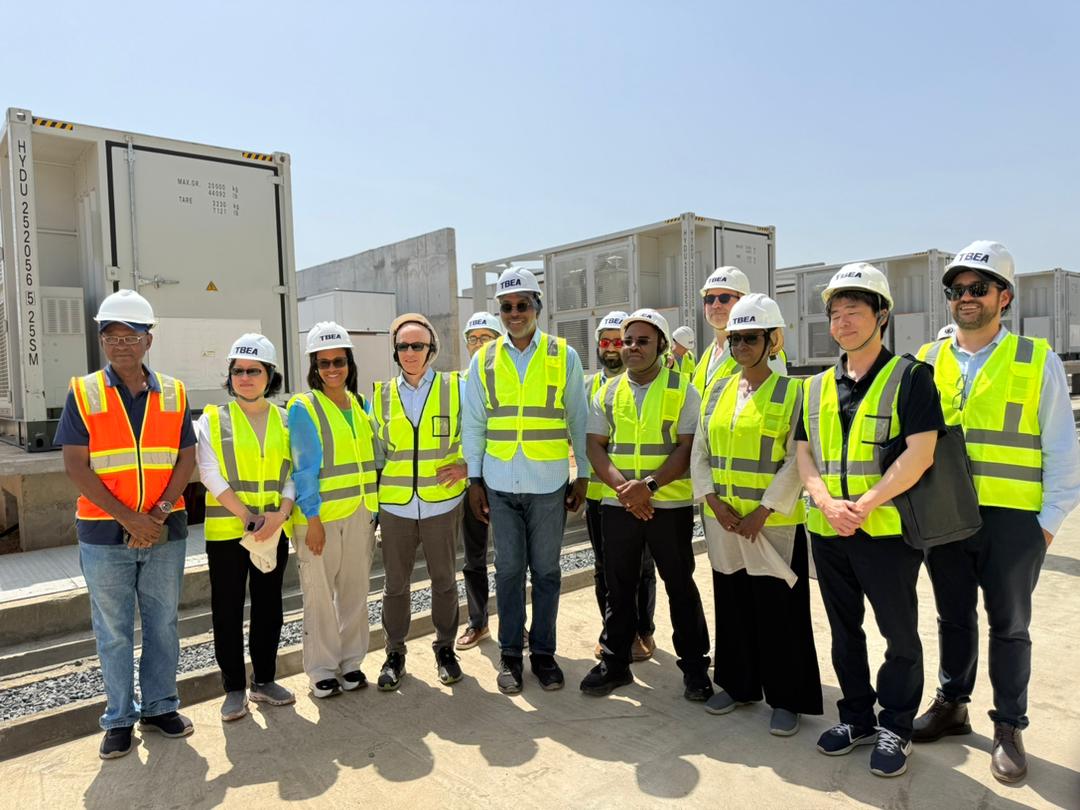
Held from 24–26 April 2026, the mission combined high-level policy discussions with on-the-ground project assessments to evaluate the impact of World Bank-supported programmes across sectors including agriculture, energy, health, and rural infrastructure.

Speaking on behalf of the delegation, representatives from Angola, Nigeria and South Africa said the visit was aimed at gaining a deeper understanding of how World Bank interventions are responding to Sierra Leone’s development priorities.
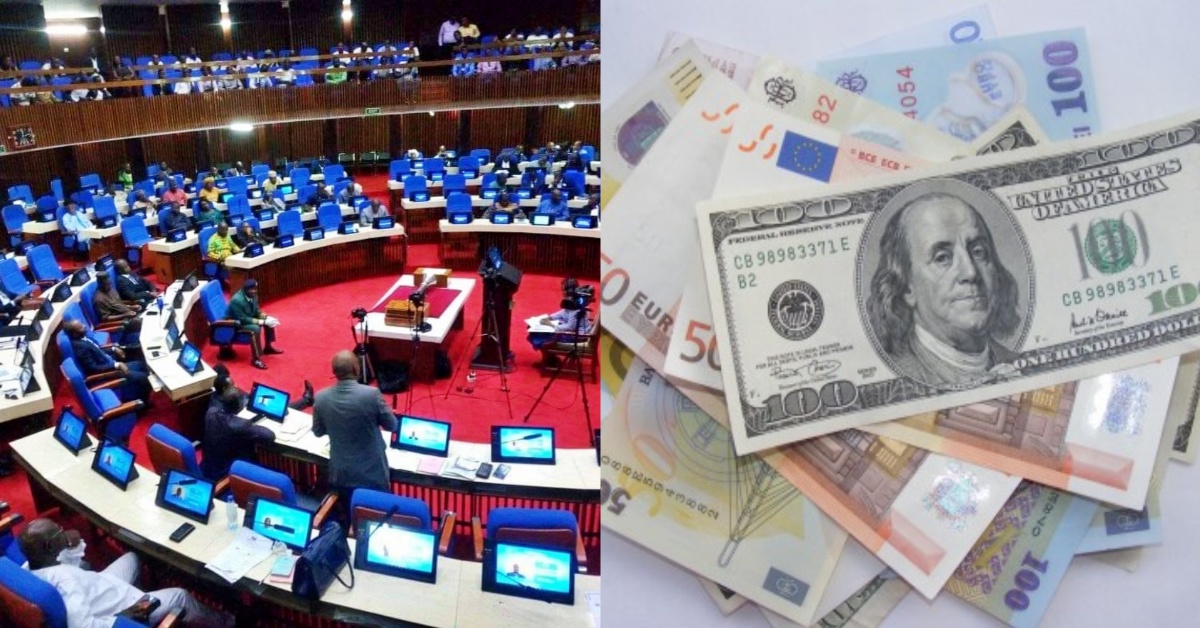
During a courtesy meeting with the Minister of Finance, Sheku Ahmed Fantamadi Bangura, the delegation received an update on the country’s economic outlook and government development agenda. The minister thanked the World Bank for its continued support and outlined key national priorities, including human capital development, free quality education, the Feed Salone programme, energy expansion, infrastructure, and tourism.
He also noted that Sierra Leone has experienced four major external shocks since 2018, which have affected inflation, exchange rate stability, and public debt. He reaffirmed government’s commitment to ongoing economic reforms aimed at strengthening resilience.
As part of the visit, the delegation also held discussions with ministers responsible for Agriculture, Energy, Education, Communication and Technology, Water Resources, Health, Planning and Economic Development, as well as officials from the Bank of Sierra Leone, NaCSA, and other implementing agencies. The meetings focused on project implementation progress, operational challenges, and future investment opportunities.
World Bank team spokesperson Madam Zainab Ahmed commended Sierra Leone’s progress in executing Bank-funded projects and reaffirmed the institution’s development focus areas, including universal healthcare, Mission 300, Agric Connect, and water and sanitation. She also noted the Bank’s readiness to support countries facing global economic pressures, including those linked to the ongoing Middle East conflict.
Host Executive Director Zarah Kibwe, who represents Sierra Leone and 21 other countries, described the field visits as an example of development partnership in action, combining financing with technical expertise to deliver results. She reaffirmed the Bank’s continued support across education, health, infrastructure, and other sectors.
President Julius Maada Bio also met with the delegation and presided over the commissioning of the Leicester Peak Tourist Site on 24 April, an event highlighting government efforts to promote tourism as part of economic diversification.
The World Bank portfolio in Sierra Leone currently stands at approximately US$1 billion. The institution said the visit would help shape future interventions aimed at improving service delivery, expanding agricultural productivity, and increasing energy access.
I am not sorry for saying this. World Bank inspecting development in Sierra Leone. Sierra Leone is not independent. Upon all the minerals resources the country have government and oppositions can’t build Sierra Leone except to borrow from IMF, EU and WORLDBANK. This is very shameful. Peace.