

 Post a comment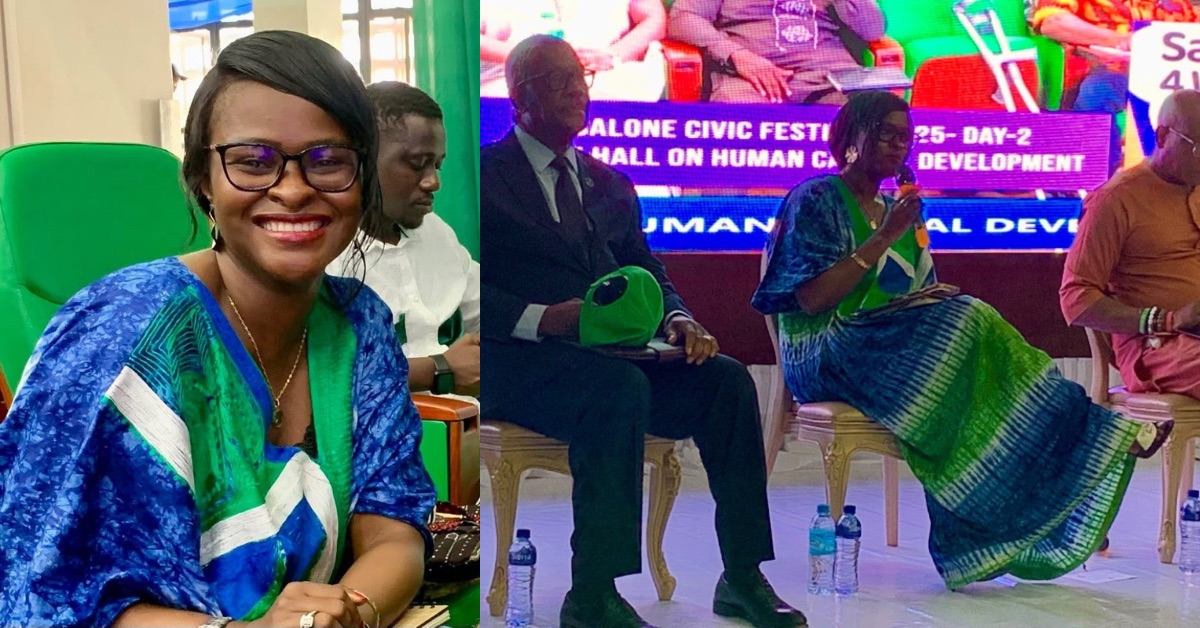
The Minister of Technical and Higher Education, Dr. Ramatulai Wurie, has outlined key reforms and achievements recorded by her ministry in recent years, focusing on the role of partnerships in transforming technical and higher education in Sierra Leone.
Speaking as a distinguished guest at the Salone Civic Festival, Minister Wurie highlighted progress made through strategic collaborations with the private sector and development partners, particularly in strengthening curricula, improving accreditation systems, and aligning training with labour market needs.
She pointed to the Japanese-supported Centre of Excellence for Automotive Training as a flagship initiative, noting that the facility is not only enhancing technical skills development but also creating opportunities for women to enter the traditionally male-dominated automotive sector.
The Minister also praised the ministry’s partnership with the United Nations Development Programme (UNDP) in advancing technical and vocational education and training (TVET). Through this collaboration, 100 young people have been trained in trades such as Heating, Ventilation and Air Conditioning (HVAC), building and construction. She further disclosed that significant progress has been made toward completing a competency-based industrial plumbing curriculum, aimed at improving skills standardisation and employability.
In addition, Minister Wurie highlighted the rollout of Starlink internet connectivity across selected tertiary institutions, describing it as a major boost for teaching, learning, research, and innovation on campuses. According to her, improved internet access is helping to bridge the digital divide and expose students to global knowledge resources.
Experts have pointed out that sustained partnerships in technical and vocational education, alongside expanded and reliable internet access, are critical to preparing Sierra Leonean students for a competitive, technology-driven world. Some stressed that collaboration between government, private sector actors, and international partners remains essential to building a skilled workforce and ensuring inclusive, quality education for national development.


