

 1 Comment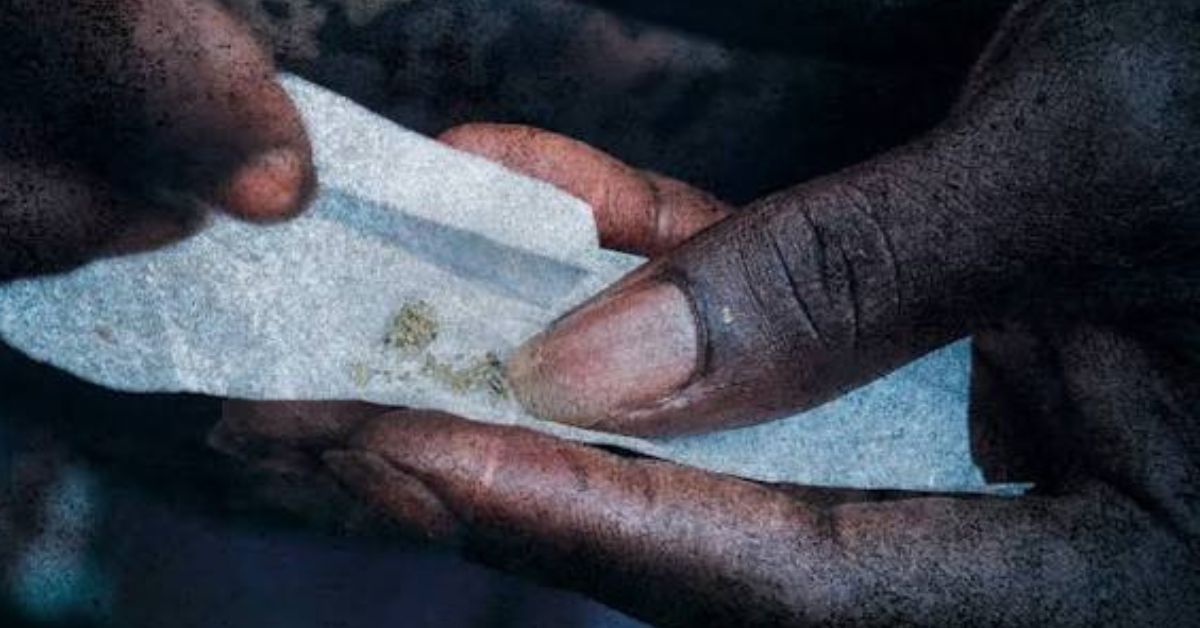
Over the past weeks, a disturbing pattern has gripped Freetown. From the bustling east to the affluent west, dead bodies lie scattered, victims of the deadly kush epidemic. They are not statistics. They were sons, brothers, friends, and dreamers whose lives now serve as a grim reminder of how deep this crisis runs.
Yet, amid this rising tragedy, there seems to be a deafening silence from those who should act the loudest. The fight against kush in Sierra Leone has become a national embarrassment, a story of neglect, misplaced priorities, and half-hearted action.
The Facts We Cannot Ignore
In April 2024, President Julius Maada Bio declared a national emergency on drug and substance abuse, acknowledging the devastating impact of kush, a synthetic drug, destroying the country’s youth. Now, the Freetown City Council (FCC) recently reported that it has collected over 220 corpses suspected to be victims of kush since the beginning of this year alone.
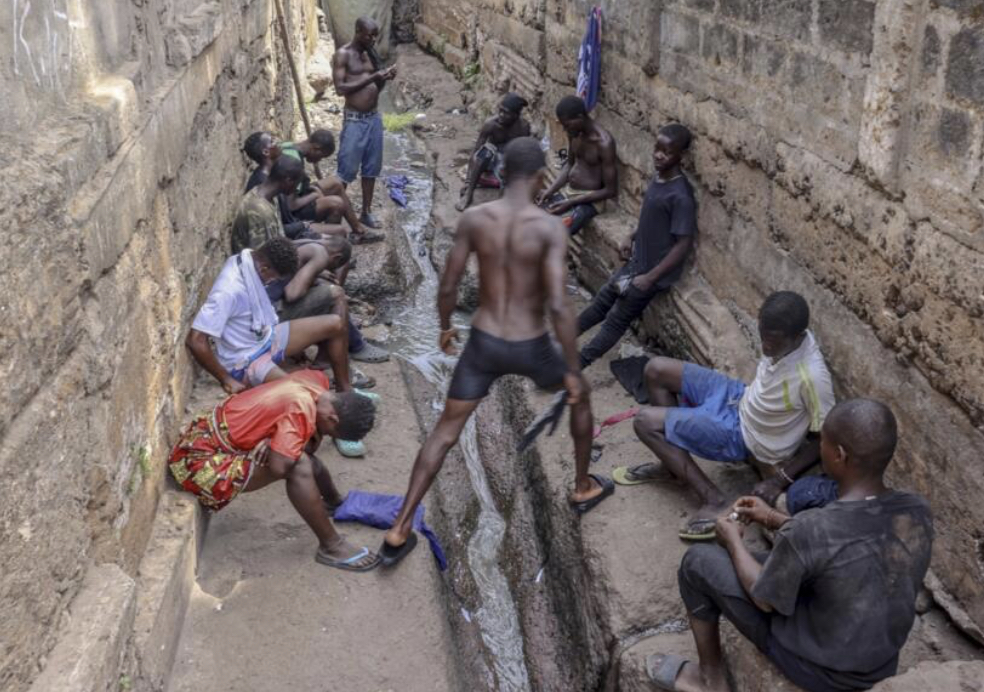
Earlier in the year, between January and August 2025, FCC officials collected 142 bodies, 136 men and 6 women, followed by 32 more within just four weeks. Meanwhile, the Ministry of Social Welfare has confirmed the closure of at least one rehabilitation center, citing a lack of funds to keep it operational.
we signed memoranda of understanding with foreign partners, and pose for handshakes under bright lights, yet cannot fund a single rehabilitation center that could save lives at home. It’s not a secret that government officials traveling overseas, signing deals, romancing diplomacy, attending summits, and making promises. Yet the irony is painful: while these high-level meetings often end with “partnerships” and “commitments,” our young people are dying in the streets back home.
How can a nation that constantly seeks international goodwill fail to curb the importation of deadly drugs within its borders? How can leaders speak of “human capital development” abroad while their human capital is rotting away on the pavements of Freetown?
Questions We Must Ask Ourselves
Are we, as a nation, truly serious about the fight against drugs?
Is the government genuinely determined to dismantle the networks bringing kush into the country?
Do rehabilitation and mental health centers have the funding they need to function?
Are families, schools, and faith institutions playing their role in prevention and counseling?
Are journalists, bloggers, and social commentators keeping the pressure on policymakers?
Are development partners channeling their funds where they’re needed most, into rehabilitation and youth development?
These are not rhetorical questions. They are mirrors. And every Sierra Leonean must look into them.
The Irony of Effort and Inaction
It’s not that the government isn’t doing something, there have been awareness campaigns, joint operations, and declarations. But a crisis of this scale demands more than press releases and political pledges.
Lip service has become our national policy. While politicians debate, the streets bleed. While bureaucrats delay, the morgues fill up.
While task forces hold meetings, families hold funerals. so let me chauvinist a little, the fight against kush cannot be won through words alone, it requires money, enforcement, empathy, and moral will.
Drug abuse is not only a political failure, it is a moral one. Families must become the first line of defense, not the last to notice. Parents must listen, guide, and love enough to intervene early.
Our religious leaders, Muslim, Christian, and traditional alike, must go beyond sermons of hope and start preaching about the dangers of kush with fire and urgency. We need mosques, churches, and shrines to echo the same message: life is sacred; drug abuse destroys it.
To the Media and Civil Society
As journalists, broadcasters, and content creators, our role is to keep this conversation alive. The kush crisis is not just a health story; it’s a social, economic, and moral emergency.
Let us use our platforms not only to report the deaths but to demand accountability, highlight solutions, and humanize victims.
To the Government and Development Partners: It’s time to stop the pageantry. No more ribbon-cuttings without results, and no more foreign trips without tangible outcomes at home.
If we can seek donor support for road projects, elections, and conferences, then we can certainly seek help for rehabilitation, youth empowerment, and drug prevention. Development partners must also reassess their priorities: this crisis is not just a Sierra Leonean problem, it’s a human problem.
A Nation in Need of a Reset:
Sierra Leone has failed before, and if we continue on this path of denial, we are failing again—slowly, tragically, and publicly. The kush crisis has become a mirror reflecting our nation’s weakest points: corruption, apathy, and misplaced compassion.
To those who import, sell, and profit from this poison, may the tears of grieving mothers and the pain of lost youth haunt you. As you relax under your air conditioning and count your profits, remember that every coin is stained with blood and sorrow.
Let’s act now: Sierra Leone must rise from its slumber, the Government must act, Families must care, religious leaders must preach, the Media must speak, and Communities must unite.
For if we continue to walk past these lifeless bodies without outrage, then the next one lying on the roadside could easily be someone you love. Note: this is not just a public health crisis, it’s a moral emergency, and history will judge us by how we respond to it.


Join me let’s collaborate on the fight, my people are on the ground, pounding the pavements, going from school to school, community to community, sensitizing the people, don’t just write about it, join us in the fight, with your journalism background you can help to share the message.