

Lungi Bridge: Why Citizens Should Question The Credibility of The Next SLPP Manifesto
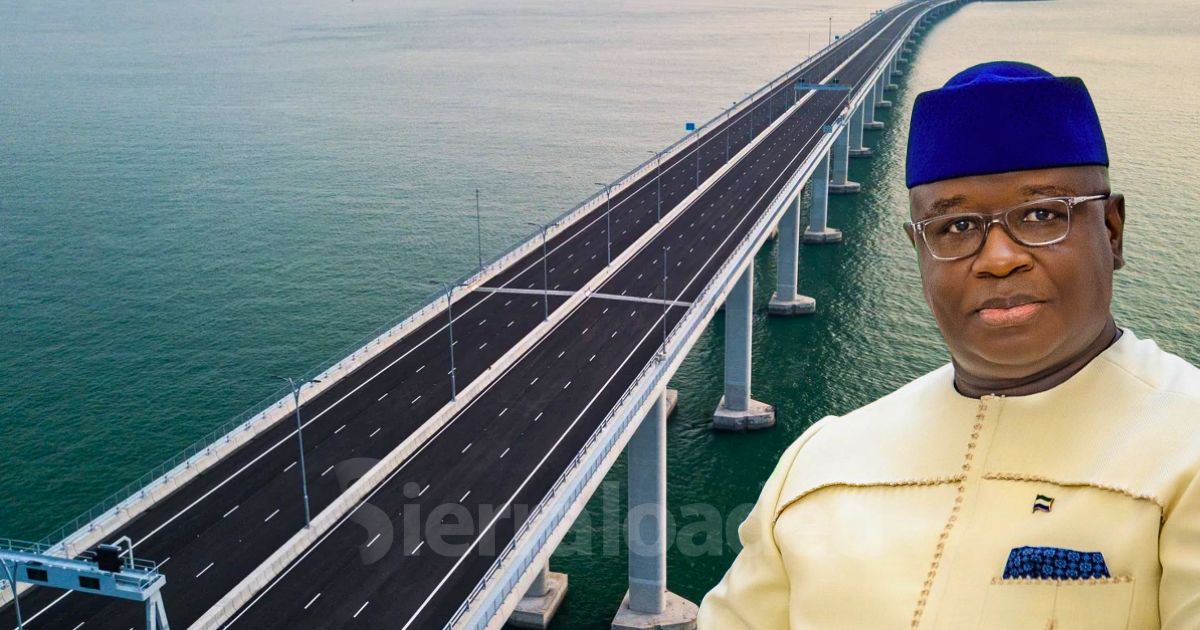
When I first read the SLPP’s 2018 manifesto, “New Direction,” I took it seriously. I didn’t just skim through it—I believed it. Like many others, it influenced my vote, and I even convinced friends to support the party because the vision felt practical, progressive, and achievable.
So when I came across a video of President Bio saying, “I never promised the Lungi Bridge in my manifesto—that was a bonus,” I paused.
Not because it sounded wrong… but because it sounded technically correct—and that’s the real issue.

Let’s look at the facts.
The bridge was mentioned twice in the manifesto:
Page 80: “Explore the possibility of constructing a toll bridge to link Freetown with Tagrin.”
Page 89: “Pursue the feasibility of a modern toll bridge linking Freetown with Lungi.”
At first glance, that sounds like a plan. But in policy language, words like “explore” and “pursue feasibility” are not promises. They mean:
• Early-stage thinking
• No guaranteed execution
• Dependent on studies, funding, and future decisions
So yes—he is right. It was never a firm promise.
But here’s what matters.
Those statements were not random. Repeating the idea in a national manifesto creates expectation. It signals seriousness. It gives people hope that something big is coming.
That’s how political language works.
Manifestos are not just documents—they are tools of persuasion. They shape how citizens think about the future. And when that language is later reduced to technicalities, it raises a serious question:
Were we given a plan… or just possibilities?
Today, we are seeing a shift from intent to technicality. During campaigns, language inspires. After elections, the same language becomes a loophole.
“We will explore” turns into: “We never promised.”
And that’s the problem.
This is not just about a bridge—it’s about trust.
As citizens, we must start reading manifestos differently:
• “We will” = commitment
• “We intend” = ambition
• “We will explore” = option
Because countries are not built on options. They are built on decisions and delivery.
As the next election approaches, one thing is clear:
Hope without clarity is risky. And voters can’t afford to keep taking that risk blindly.