

 1 Comment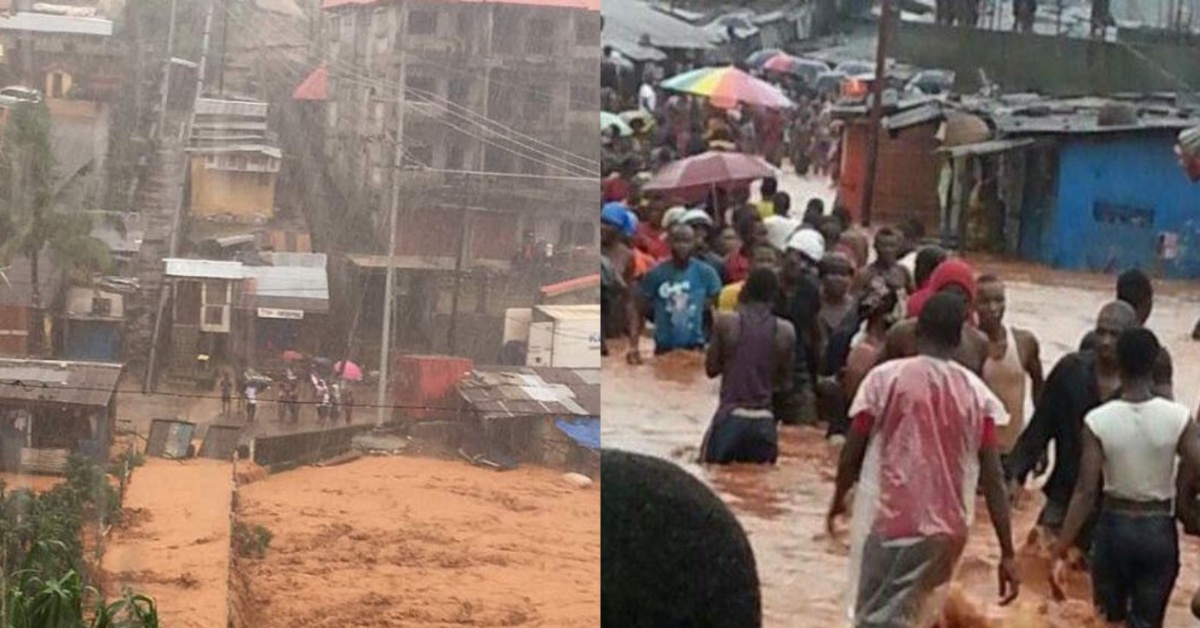
The Mayor of Freetown Yvonne Aki-Sawyerr shared an emotional appeal and experience following the aftermath of torrential rains that caused flooding in many parts of her city on Wednesday, July 23 this year.
The torrential rains, which started in the afternoon hours lasted until deep in the night killing over three people and destroying properties worth thousands of Leones.
Aki-Sawyerr blames climate change and lack of planning as the leading causes to her city’s habitual floodings each wet season for several years now. The mayor visited one of the most affected communities, Col Wata and shared a harrowing experience of poor planning and the rapid population growth in the community and the capital as a whole. She met with the mother of a 1-year-old girl who has been missing since Wednesday’s disaster at the community.
She attributed the loss of the girl as a result of several factors affecting her city including “the absence of land use planning and ineffective building permits”.
Aki-Sawyerr also added that Freetown’s woes are not peculiar while affirming that it is a part of several disasters that are occurring in other parts of the world due to climate change.
The mayor stressed on the need to ensure recurrence of Wednesday’s disaster is prevented through a cleaning campaign her council has launched. The campaign is geared towards the cleaning of the city’s gutters and other major waterways and climate resilience efforts.
While this is a step in the right direction, some critics are saying that that is not enough.
With intense rainfall recorded in the past several of years, compounded with poor urbanisation and improper waste management, they are warning that the city could experience more disasters if solutions are not proffered and enforced soon.
For instance, the West African country experiences heavy downpours between July and August each year. In 2017, the city received nearly 1,000 mm of rain between July and August resulting to a mudslide that claimed the lives of over 1,000 people on August 14, 2017. Over 3,000 people were displaced, causing an emergency for a country healing from an Ebola outbreak which ended in November, 2015.
Experts said the disaster was caused by heavy downpour, deforestation and unplanned urban expansion. According to Geoengineer, 90% of the disaster was said to be man-made.
Meanwhile, the country’s National Disaster Management Agency (NDMA) warned the local population to desist from dwelling in shacks close to disaster-prone areas, conduct regular inspection of structures especially fences and communities located in sloppy areas to report signs of erosion and soil movements.
While these are important steps in preventing disaster recurrences, sadly, they are not enough.
With Sierra Leone’s Met Agency warning of more intense rains later this month and in August, there are calls for authorities to proffer short-term solutions like relocation of people in disaster-prone communities, clean and upgrade gutters, and enforce building regulations. For the long-term, they suggested that authorities must enforce urban planning and zoning, reforestation of the Freetown Peninsular, affordable housing and institutional strengthening.
Video of flooding in Eastern Freetown


The mayor of Free Town have deacived the people of free town