

Op-Ed: Reconciliation is Not a Chapter We Have Closed; It Is the Path We Must Continue to Walk as a Nation
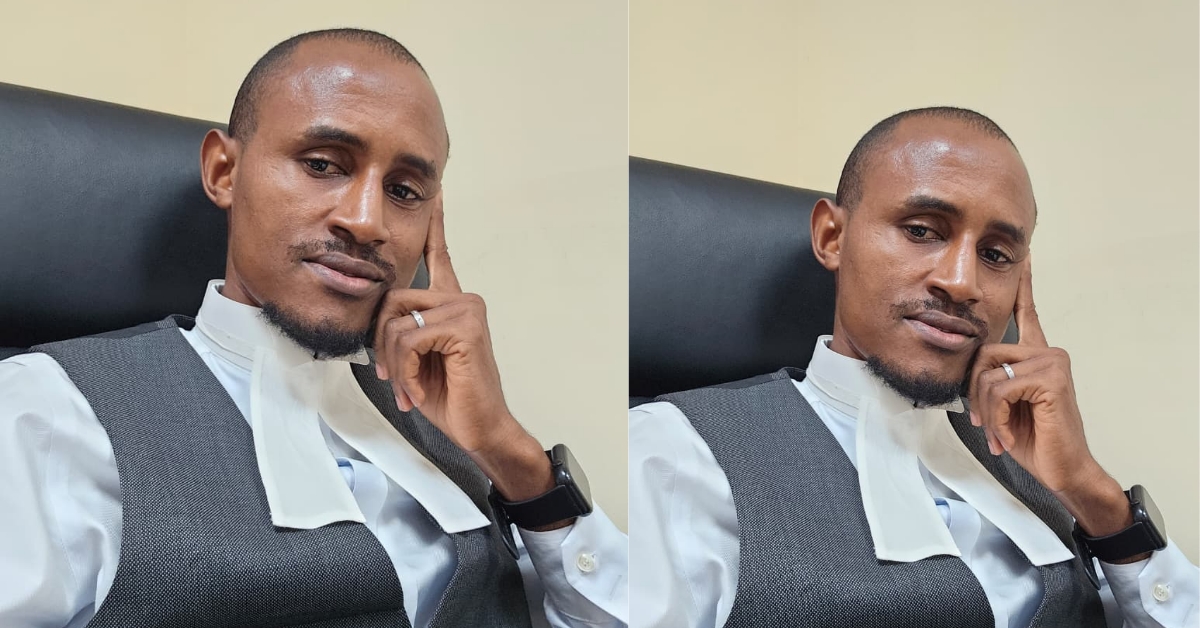
As we concluded our Introductory Academic programme here at Flinders University in Adelaide, Australia, I found myself reflecting on one of the most meaningful presentations I have had the privilege to lead. Together with my colleagues, we presented on the topic, “Reconciliation Across Nations: Lessons from Australia, Sierra Leone, Myanmar, Indonesia, and Vanuatu on Healing from Discrimination, Conflict, and Political Instability.”
While examining the reconciliation journeys of these nations, I could not help but reflect on my homeland. Like many Sierra Leoneans of my generation, the painful years of our civil war took away much of my childhood and some of the most important and productive years of my early life. It is now our shared responsibility to continue striving for lasting peace, national unity, and social cohesion for present and future generations.
During the presentation, I briefly shared Sierra Leone’s bitter experience during the eleven-year civil war and the devastating consequences it had on our nation. Beyond the tragic loss of lives, the war destroyed public institutions, weakened trust among citizens, disrupted education and economic growth, and left deep social and political divisions whose effects are still felt today. It was a painful reminder that conflict sets a nation back by generations.

One lesson became very clear to me: there can be no lasting prosperity, sustainable development or meaningful national progress in a country that remains deeply divided more along political lines, with those engaged in doesn’t place genuine service above self-interest. True reconciliation is not simply about ending conflict; it is about building trust, strengthening institutions and creating a shared national identity where every citizen feels included.
As a Sierra Leonean, a legal practitioner, and someone privileged to serve my country in the justice sector most of my professional years, I firmly believe that the recommendations of the Truth and Reconciliation Commission (TRC) should continue to serve as a guiding framework for every political administration, regardless of political affiliation. Those recommendations were never intended to remain historical documents. They were designed to help us build a more peaceful, democratic, and accountable Sierra Leone.
More than twenty years after the war, many of the TRC’s recommendations remain unfinished. In particular, the recommendations on electoral reforms, justice sector reforms, strengthening democratic institutions, promoting accountability, protecting human rights and fostering national cohesion deserve renewed commitment. Their genuine and continuous implementation is essential if we are serious about achieving sustainable growth, development and lasting peace.
The current socio-political stalemate and the increasingly tense atmosphere should concern every patriotic Sierra Leonean. It reminds us that reconciliation is an ongoing process, not a destination we reached when the guns fell silent in 2002 following the Lome Peace Accord. Political leaders, religious leaders, professional associations, traditional authorities, civil society organisations, women’s group, student leaders, youth groups, the media and every citizen all have a role to play in preserving our democracy and strengthening national unity.
We must be intentional about truth. We must be intentional about justice. Above all, we must be intentional about genuine reconciliation. Without these pillars, our national development will always remain fragile.
For this reason, and at a time of hosting the ECOWAS heads of state summit, I particularly welcome the ongoing national conversations being led by the Independent Commission for Peace and National Cohesion (ICPNC) to assess the progress made so far and chart the way forward for peace, reconciliation, and national cohesion. This exercise should have a national appeal and more engaging so that every Sierra Leonean should have the opportunity to participate. These conversations are both timely and necessary, especially as we draw closer to our next general elections. They deserve the genuine support of Government, political parties, civil society, and every Sierra Leonean. Peacebuilding is not the responsibility of one institution alone; it is the collective responsibility of an entire nation.
As I reflected after our presentation, one thought continued to occupy my mind: we must never allow Sierra Leone to become another case study for conflict prevention. Never again should we permit the conditions that led to our eleven-year civil war to take root. We should never ignore warning signs simply because they appear politically inconvenient. History teaches us that nations are strongest when they confront challenges early through dialogue, justice and responsible leadership.
I remain optimistic because I believe in the resilience of the Sierra Leonean people. We have overcome enormous adversity before, and we can continue moving forward together. But our goal should be higher than simply preserving peace. We should strive to build institutions that are so strong, professional and independent that future generations will never again need international actors to restore stability or rebuild public confidence.
The reflections shared above resonate deeply with my own present academic journey. I am set to commence my studies for a Master of Public Policy, specialising in Integrity, Ethics and Governance, at Flinders University under the Australia Awards Scholarship. The discussions during our presentation reaffirmed why I chose this path. For me, public policy is more than an academic discipline; it is about designing better institutions, strengthening accountability, promoting ethical leadership, and developing practical solutions that improve people’s lives.
Our country has sacrificed too much to return to division. Let us act now!
Let us choose dialogue over confrontation.
Let us choose justice over impunity.
Let us choose institutions over personalities.
Let us choose national interest over political interest.
Above all, let us remain committed to genuine reconciliation, because without reconciliation there can be no lasting peace, and without lasting peace there can be no sustainable development.
I will conclude with Nelson Mandela’s words: “If you want to make peace with your enemy, you must work with them. Only then will they become your partner.”
One Salone. One Future.