

 1 Comment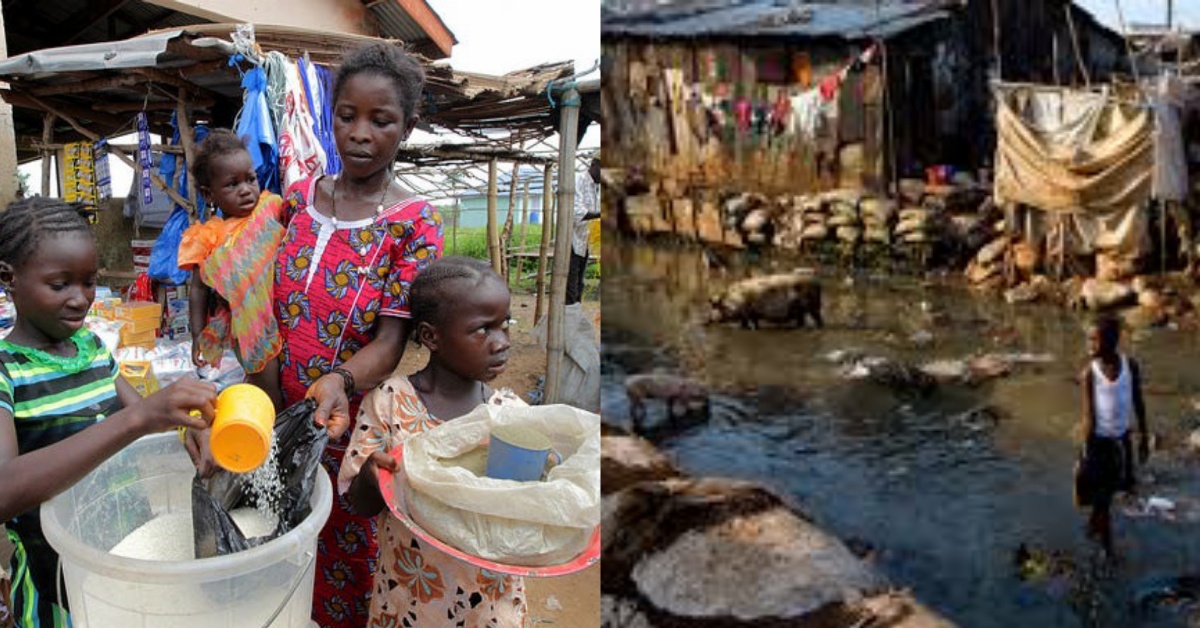
Drug abuse has taken thousands of lives all over Sierra Leone. The emergence of kush, tramadol and other drugs have ruined families and futures. Yet, behind this visible crisis is a more devastating and silent killer poverty.
Every day, poor income, high prices and poor living conditions gradually taking the lives of countless Sierra Leoneans that drugs will ever kill. Many float silently into death from hunger, untreated disease and mental stress from economic hardship.
Salary Reality in 2025
As of 2025, the national minimum wage in Sierra Leone is SLE 800 per month or approximately USD 35.50 per month. This amount is not enough to purchase anything more than a few cups of rice and a few liters of cooking oil.
While certain professional positions do pay more, the most of Sierra Leoneans make far less than the cost of living threshold.
Examples of Salary Range for 2025 (Sources: Africa HR, WorldSalaries.com, Forum News SL)
– National minimum wage: SLE 800 a month (USD 35.50)
– Civil servant average: SLE 1,200 – 2,500 per month (USD 50 – 110)
– Business Development Manager: SLE 8,570,000/month (USD453.20)
– Administrative staff (private sector): SLE 1,000 – 1,800/month (USD 45 – 80)
– Teacher/nurse average: average SLE 1,500 – 2,200 per month (USD65 – 95)
These statistics show a huge wage disparity between regular workers and top professionals. Over 80 per cent of workers in Sierra Leone earn less than SLE 2,000 a month.
The Cost of Living in 2025
Prices of necessary commodities have soared far beyond earnings.
Basic Monthly Expenses (Freetown 2025)
– 1-bedroom apartment in city centre: SLE 12,000-14,000 (USD 600 – 700)
– Food for a family of four: SLE/5000-7000/USD 250-350
– Transport and fuel: SLE 1,500–2,000 (USD 70–100)
– School fees and supplies: SLE 1 000+ (USD 45+)
– Medical bills: SLE 800–1,200 (USD 35–55)
The total monthly cost for an average family in Freetown has now risen to over SLE 20,000 (USD 900) and the majority of workers earn under SLE 2,000 (USD 90). This gap is why so many Sierra Leoneans are stuck in a debt and desperation.
The Hidden Death That Poverty Causes
Low wages are killing slowly but steadily:
1. Health collapse: Many died due to avoidable illnesses because they cannot afford medical treatment. Hospitals require payment before hospital services, leaving poor families desperate for delays.
2. Malnutrition: Significant proportions of the population have meals once a day or subsist on low – quality food. Malnutrition also causes a weak immune system and shortens the life expectancy.
3. Mental breakdown: Financial pressure pushes many to the brink of depression and anxiety and even substance abuse.
4. Family separation: Marriages fail due to the failure of parents who cannot provide. Many men leave homes and leave women to struggle alone for survival.
5. Education failure: Thousands of children drop out of school due to failure by parents to pay fees and transport.
Drug abuse destroys a person, but poverty destroys a family, neighborhood, and generations.
Regional Comparison
Ghana: The minimum wage in Ghana is GHS 18.15 per day (around USD 2.10). Though still low, social safety programs and access to small – business loans give some relief to citizens.
Nigeria: Nigeria has the minimum wage level of NGN 30,000 a month (USD 35 – 40). Many Nigerians live by side jobs or by trading informally as the support of the household income.
Sierra Leone: At SLE 800 (USD 35) a month, Sierra Leone’s workers are in the lowest real income bracket in West Africa, and inflation and dependency on imports continue to keep prices high. Even with better professional wages, high rent and cost of food erodes value instantly.
Why The Government is Under Pressure
1. Widespread frustration: Families angry, feeling abandoned by system.
2. Falling productivity: Unpaid workers are demotivated and do not work to the best of their abilities.
3. Rising social instability: Poverty has a leading role on crime, corruption and drug dependence.
4. Declining health: More Sierra Leoneans die of stress and poor nutrition than from disease epidemics.
5. Brain drain: Skilled workers leave the country and leave behind a poorer labor force.
This is not sustainable. A poor and hungry workforce cannot make a strong country.
Recommendations for Reform
Introduce payment of wages on a weekly basis. Keeping pay in a volatile economy will help with budgeting because families are eating on a weekly basis and they don’t get into debt.
Implement hourly wage computations Salaries should be based on hours worked. Hourly pay ensures fair pay, especially for part time and contracting salaries.
Raise the minimum wage. Raise the national minimum wage from SLE 800 to at least SLE 2,500 (USD 110) to keep up with inflation and real cost of living
Establish a national wage review board Review and adjust salaries every six months taking into consideration inflation, cost of food, rent, and change in exchange rate
Offer housing and food subsidies. Introduce low cost housing schemes and support local farmers to bring down food prices.
Strengthen support to health and education. Free medical care and education of children of low income workers will remove the pressure on the family and improve productivity.
Promote small business opportunities Provide tax breaks and small loans for workers to start up side businesses and make more money.
Conclusion
Low salary is a silent killer. It crushes hope, destroys families, and forces people into poverty – driven decisions. While kush kills a man, poverty kills a country.
No society can survive when its workers are unable to pay for food, shelter or medicine. No patriotism can grow on an empty stomach. The government of Sierra Leone comes down to the fact that now it needs to reform their salary structure.
Government have to increase pay, weekly pay and link pay to real cost of living. Employers have to treat workers as humans and not disposable labor. Civil society needs to continue this conversation.
A stable nation starts by having a fed and dignified home. Let the remuneration of workers bring tranquility, not torment. Let Sierra Leone choose life rather than survival.
About the Author
Ibrahim Tejan Fofanah is a Sierra Leonean author and activist and CEO of Team Education Sierra Leone. He has more than 18 years of experience in youth advocacy, leadership development and social reform. He writes The Glamour of Patriotism and hosts the podcast Deep Talk with Tejan.


I would like to see the statistics to support your view on drug related deaths and deaths due to living conditions in Sierra Leone from credible sources, please.