

 Post a comment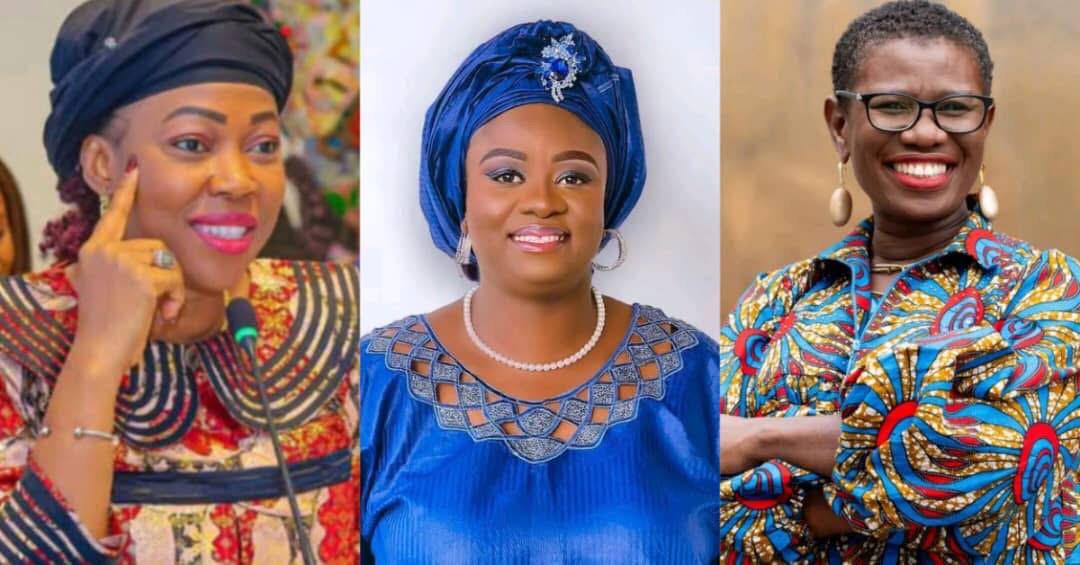
As Sierra Leone prepares for its 2028 general elections, interest in presidential ambitions across political parties – especially the two dominant ones, the Sierra Leone People’s Party (SLPP) and the All People’s Congress (APC) – is gaining momentum.
Within this evolving landscape, a powerful emerging narrative centres on three influential women who are reshaping public discourse on leadership and gender representation in Sierra Leonean politics.
This so-called “Trio” – First Lady Fatima Bio, Mayor Yvonne Aki-Sawyerr, and Sylvia Blyden – has increasingly captured national attention, not only for their individual influence but also for the symbolic challenge they represent against the traditionally male-dominated political arena.
Fatima Bio, First Lady of Sierra Leone since 2018, is a prominent advocate for women’s empowerment and social development. She leads major national campaigns such as Hands Off Our Girls, aimed at combating gender-based violence and early marriage, and has been recognised internationally for her work supporting girls’ education and rights. She was appointed a UNAIDS Champion for adolescent girls and young women and elected President of the Organisation of African First Ladies for Development, enhancing women’s voices continent-wide.
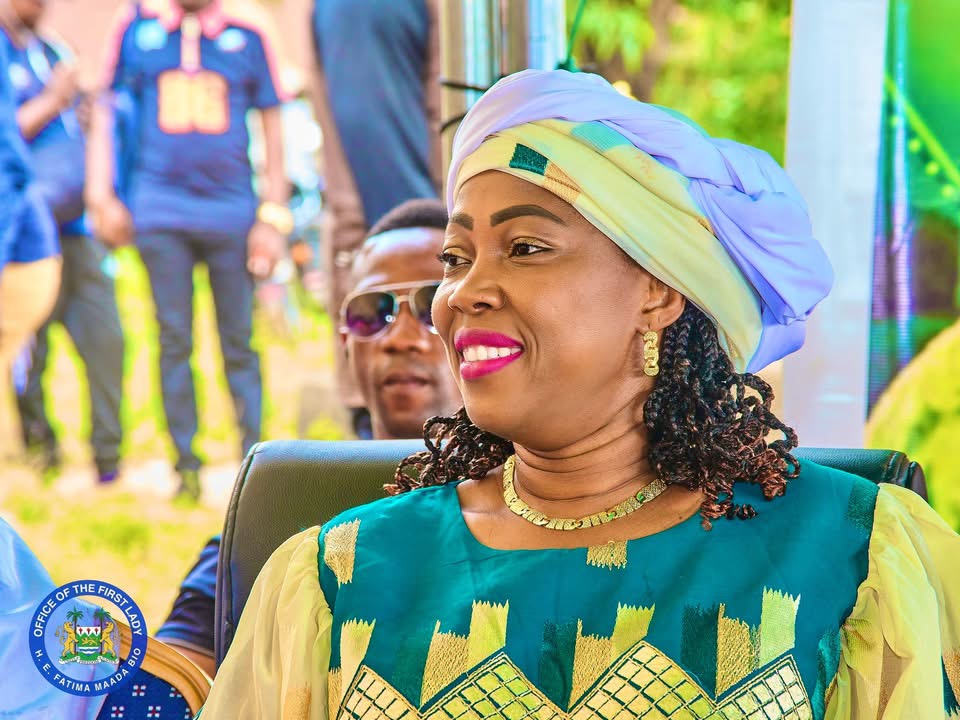
Despite her official role being non-partisan, recent developments show Bio actively engaging in political discourse. On 2 January 2026, she publicly endorsed Yvonne Aki-Sawyerr’s bid for APC flagbearer, framing it as a bold step toward inclusive leadership and expanded female participation in politics.
Some political commentators argue that her choices reflect a broader strategic push to elevate women’s leadership, rather than securing a personal candidacy – particularly given civil society assertions that she is not currently qualified to run for the SLPP’s flagbearer position under party rules.
Yvonne Aki-Sawyerr, the Mayor of Freetown, has become one of Sierra Leone’s most respected political figures, well beyond municipal governance. She has served in office since May 2018 and was re-elected in 2023, leading transformative initiatives in urban management, sanitation, public health, and environmental sustainability.
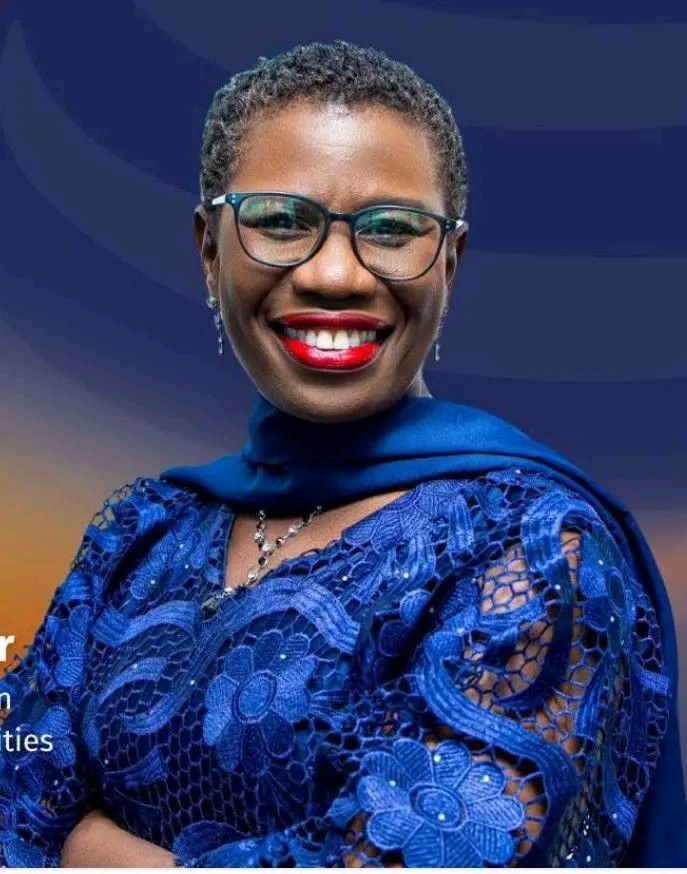
Her leadership has attracted international accolades, including being named among global climate and urban development leaders and winning awards such as the 2024 German Africa Prize for her work in creating a greener, more livable Freetown.
By championing data-driven governance and holding the confidence of a broad constituency, Aki-Sawyerr’s flagbearer bid symbolises a compelling fusion of competence and progressive politics – appealing to youths, urban reformists, and advocates for gender parity.
Sylvia Blyden is a veteran journalist, political commentator, and former Sierra Leone cabinet minister. She founded the Awareness Times, one of the country’s most widely read newspapers, and served in President Ernest Bai Koroma’s government as Minister of Social Welfare, Gender and Children’s Affairs, and Special Executive Assistant.
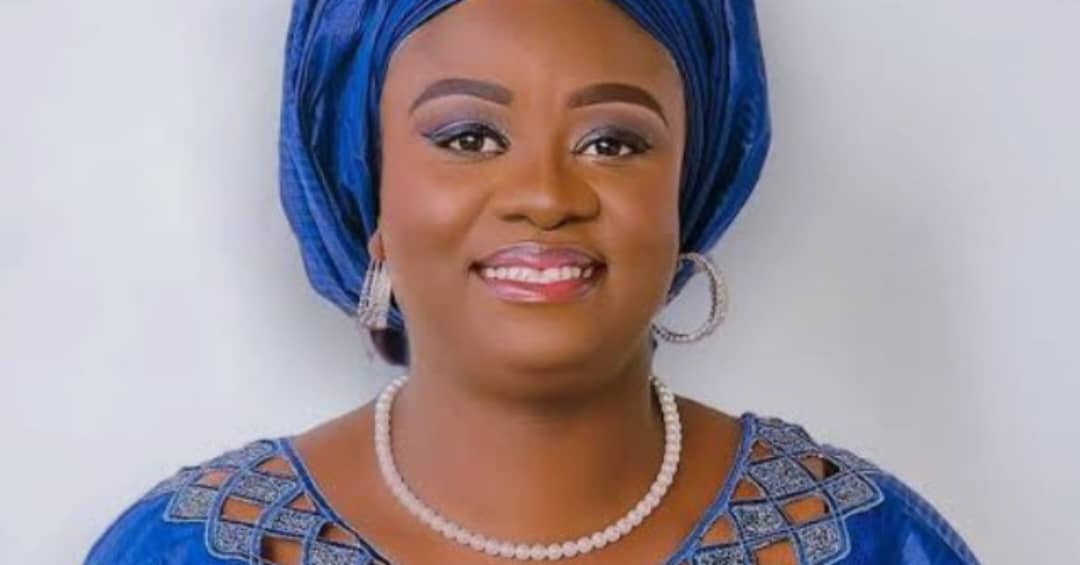
Blyden is widely recognised as one of Sierra Leone’s most influential female political figures and has publicly signaled her interest in high political office. Her political ambitions place her alongside Aki-Sawyerr and Bio in elite discussions about women’s leadership in national politics.
However, recent media reports suggest tension between Blyden and First Lady Bio following the latter’s endorsement of Aki-Sawyerr, with Blyden leveraging sharp rhetoric against what she calls politically timed moves within APC circles.
The public rivalry and strategic endorsements raise questions about whether these women are genuinely at odds with each other or whether their interactions are part of a broader effort to shift public focus toward female leadership in a male-dominated political context.
Some analysts argue that the coordinated visibility of these figures – across different parties – may intentionally or unintentionally elevate the idea of a woman ascending to the nation’s highest office, challenging entrenched gender norms and expanding the political imagination of Sierra Leoneans.
Yet the dynamics are complex. Rather than a unified bloc, these women each represent distinct political interests, constituencies, and visions for Sierra Leone’s future. The First Lady’s actions could be interpreted both as support for women’s participation and as strategic positioning within and across party lines.
As Sierra Leone approaches 2028, the emergence of these three women – a national first lady, a globally celebrated mayor, and a veteran political commentator – signals a genuine transformation in the political culture of the country. Whether they collaborate or compete, their presence forces a national conversation on gender, leadership, and the future of Sierra Leone.
Their ascendancy challenges long-held assumptions about who can lead, and what leadership looks like in Sierra Leone’s modern democratic journey. Beyond political maneuvering, the evolving “Trio” narrative invites all citizens to reflect on the kind of leadership they want – not merely based on gender, but grounded in competence, integrity, and a shared vision for lasting progress.


