

 Post a comment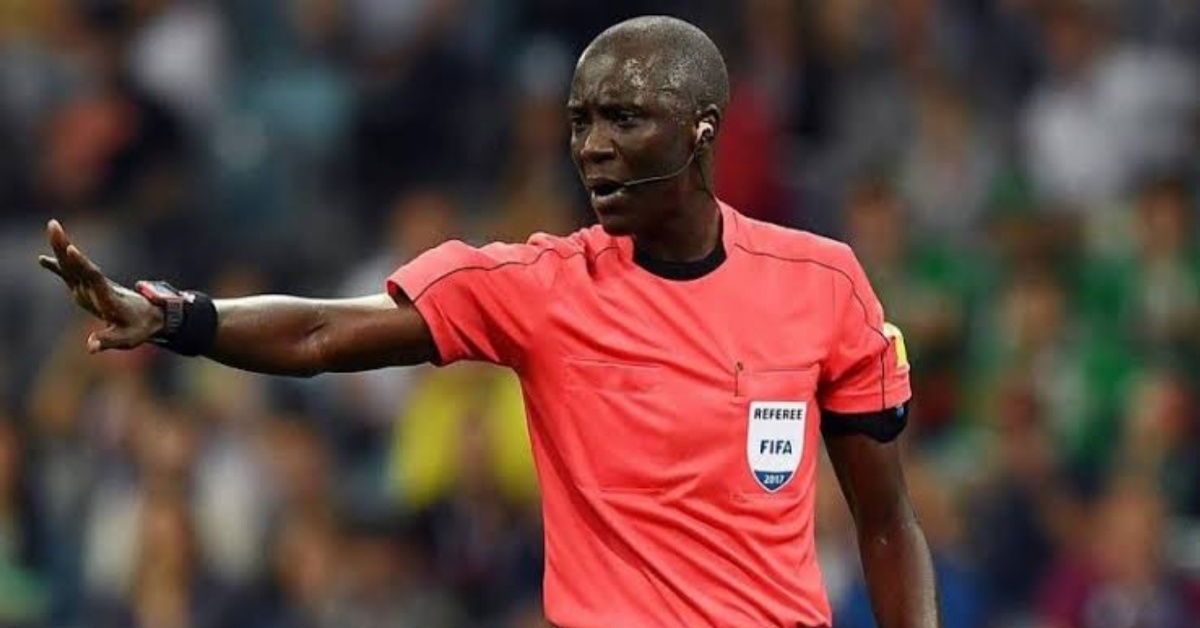
As the domestic football season gathers pace, the spotlight in Sierra Leone has shifted from goals and league standings to the integrity of match officiating.
According to popular female sports journalist Hawa Dauda, the conversation surrounding the Leone Rock Premier League and the Sierra Leone Women’s Premier League is no longer dominated solely by performances on the pitch, but by growing scrutiny of referees and the systems that govern them.
For years, officiating has remained a recurring flashpoint in Sierra Leonean football. Allegations of inconsistent calls, questions over impartiality, and claims of undue influence have frequently surfaced, sometimes escalating beyond post-match debate into heated confrontations. In certain instances, referees have reportedly faced threats and physical attacks, underscoring the high tensions that often accompany controversial decisions.
Dauda notes that under the leadership of Babadi Kamara and his executive, reforming the officiating structure has emerged as a key benchmark for administrative credibility. Rather than dismissing persistent criticism, the referee committee recently suspended several officials over integrity-related concerns — a move widely interpreted as an attempt to demonstrate zero tolerance for misconduct.
The suspensions, she observes, have shifted the tone of public discourse. While skepticism has not completely faded, some club officials and supporters report signs of improved match management and fewer contentious decisions in recent fixtures. Early indications suggest that firmer oversight may be yielding positive results.
However, Dauda cautions that disciplinary measures alone will not resolve deeper structural issues. Sustainable reform, she argues, will require comprehensive referee training and development programs, transparent appointment procedures, and independent accountability mechanisms capable of withstanding pressure from powerful stakeholders within the game.
For Sierra Leonean football, the stakes extend far beyond individual fixtures. At the heart of the matter is public confidence in the fairness of competition — a foundation critical to the sport’s credibility and long-term growth. Whether the recent steps signal a lasting cultural shift or merely a short-term corrective measure, Dauda concludes, will become clearer as the season progresses.


