

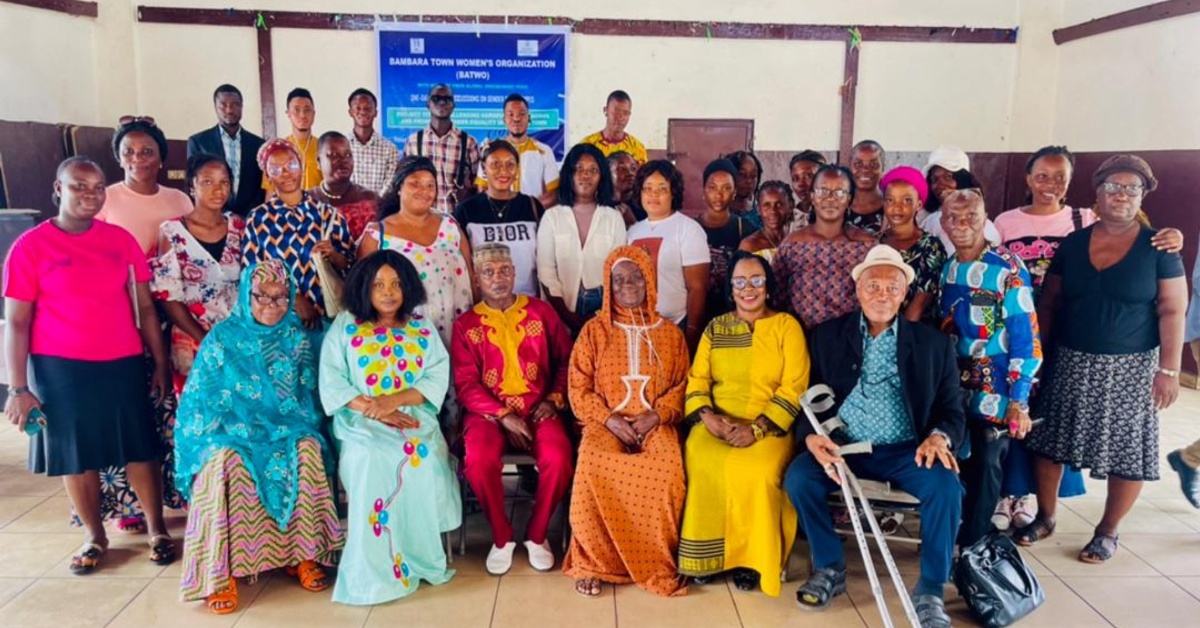
Bambara Town Women’s Organisation Launches Initiative to Tackle Harmful Gender Norms and Advance Equality
 Aaron Parker
 The Bambara Town Women’s Organisation has launched a transformative new project titled “Challenging Harmful Gender Norms and Promoting Gender Equality in Bambara Town.”
The initiative, made possible through funding from the Global Greengrants Fund, is designed to promote inclusive development by addressing deeply rooted social, political, and economic inequalities affecting women and girls.
Speaking at the launch, Juliet Anderson, Chairperson of the Bambara Town Women’s Organisation, emphasized the urgency of dismantling long-standing gender stereotypes that continue to hinder women’s participation and leadership in various sectors of society.

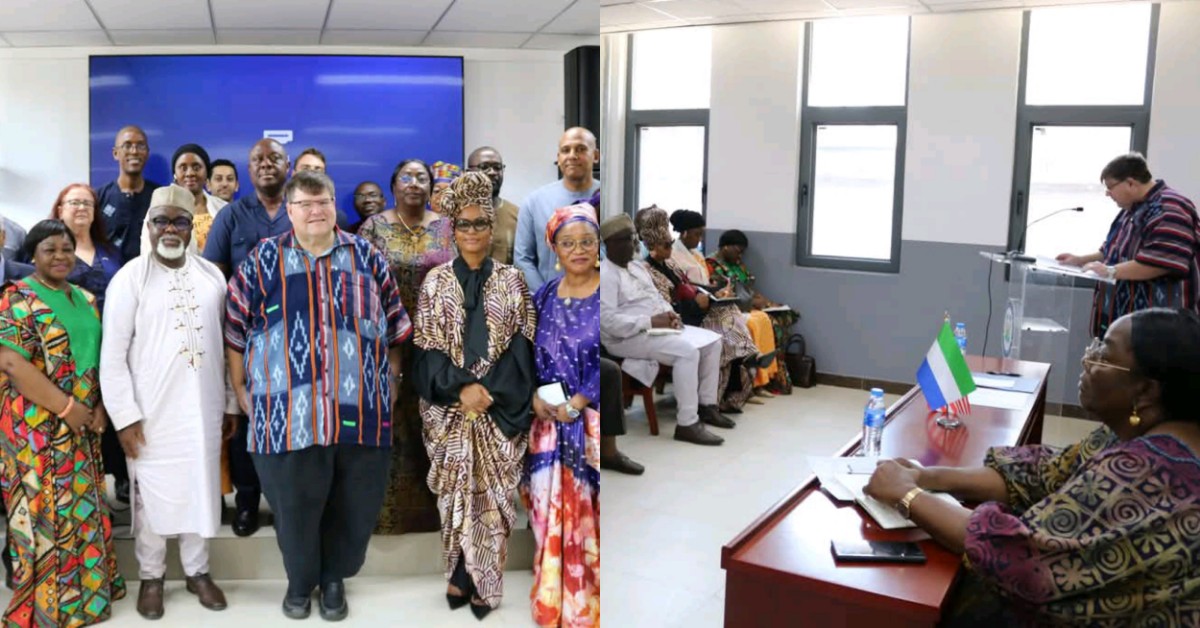

“We cannot achieve sustainable development without gender equality,” Anderson stated. “This project is not just about advocacy it’s about action. It’s about transforming mindsets, building the capacity of our women and girls, and engaging men and boys as allies in this fight.”
The project seeks to make gender policies more effective and meaningful at the grassroots level by ensuring that the lived realities of women and girls in Bambara Town are addressed through targeted activities and inclusive dialogue.
Its core objectives include:
Challenging gender stereotypes through community-level plenary discussions
Promoting women’s leadership and participation in decision-making spaces
Engaging men and boys as partners in advancing gender equality
Raising awareness through media engagement to shift public narratives and attitudes
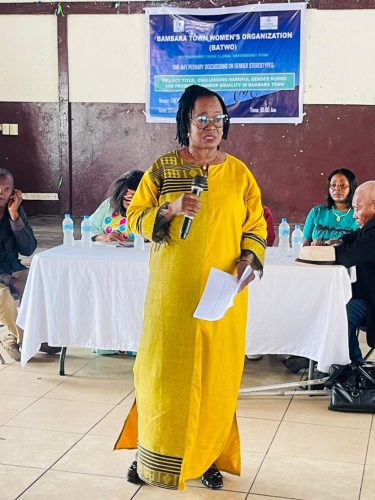
The Bambara Town Women’s Organisation is positioning itself not only as an advocate but also as a change agent at the grassroots. By involving traditional leaders, youth, educators, and policy stakeholders, the project aims to foster an environment where gender equality is not merely aspirational but actively pursued and institutionalized.
With gender inequality continuing to undermine social cohesion and limit opportunities for half of the population, the project represents a critical intervention aligned with Sierra Leone’s national and international commitments, including the Sustainable Development Goals (SDG 5) on Gender Equality.
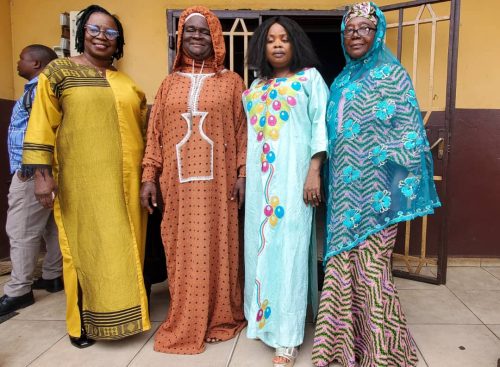
The Organisation plans to conduct regular assessments to monitor the impact of the initiative and gather insights from community members to inform future phases of the project. Stakeholders have welcomed the move, describing it as timely and necessary for addressing systemic gender disparities in the region.