
Opinion: Deadly Drug Outbreak Threatens President Bio’s Human Capital Development Goals
 Sahid Bangura
 The alarming rise in Kush consumption has emerged as a major public health crisis in Sierra Leone, jeopardizing the human capital development initiatives championed by President Dr. Julius Maada Bio.
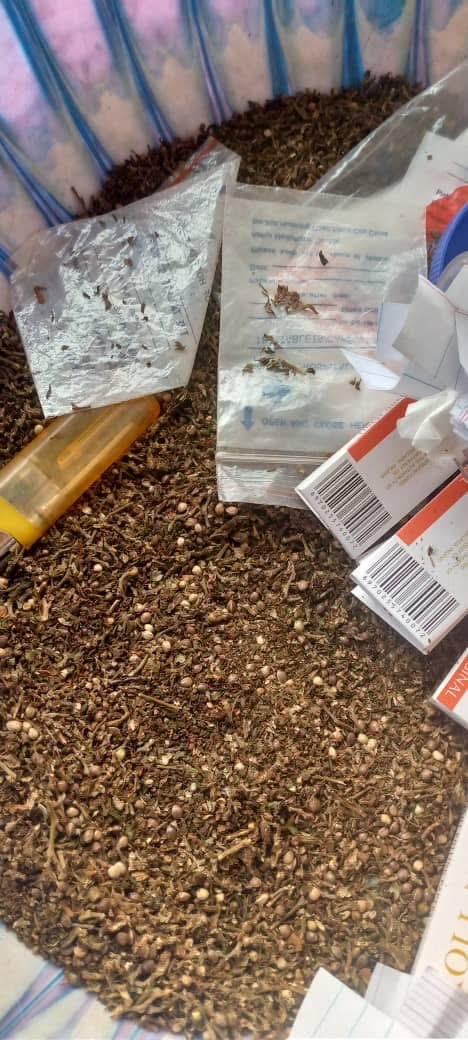
Since 2022, the synthetic drug known as ‘kush’ has claimed the lives of hundreds of youths in Sierra Leone. By April 2024, the health impacts of kush, which contains powerful substances like nitazenes, opioids more potent than fentanyl, and synthetic cannabinoids, has become so severe that President Bio had to declare a national emergency on drug use, an unprecedented move.
The drug, a potent strain of cannabis, has become extremely popular among the youth, primarily due to its affordability and easy availability. Health officials have reported that many of the deaths resulted from overdoses, mental health crises, or violence linked to drug use.




“Kush has become a scourge in our community,” stated Fatima Kamara, a community leader in Freetown, adding that “We are witnessing young lives lost and dreams shattered, and it’s truly tragic.”
The Human Capital Development is one of President Bio’s priorities, focusing on enhancing education, health, and economic opportunities for all Sierra Leoneans. However, the Kush crisis poses a direct threat to those objectives. The prevalence of drug use is undermining educational attainment, as many students abandon their studies in favor of substance abuse.
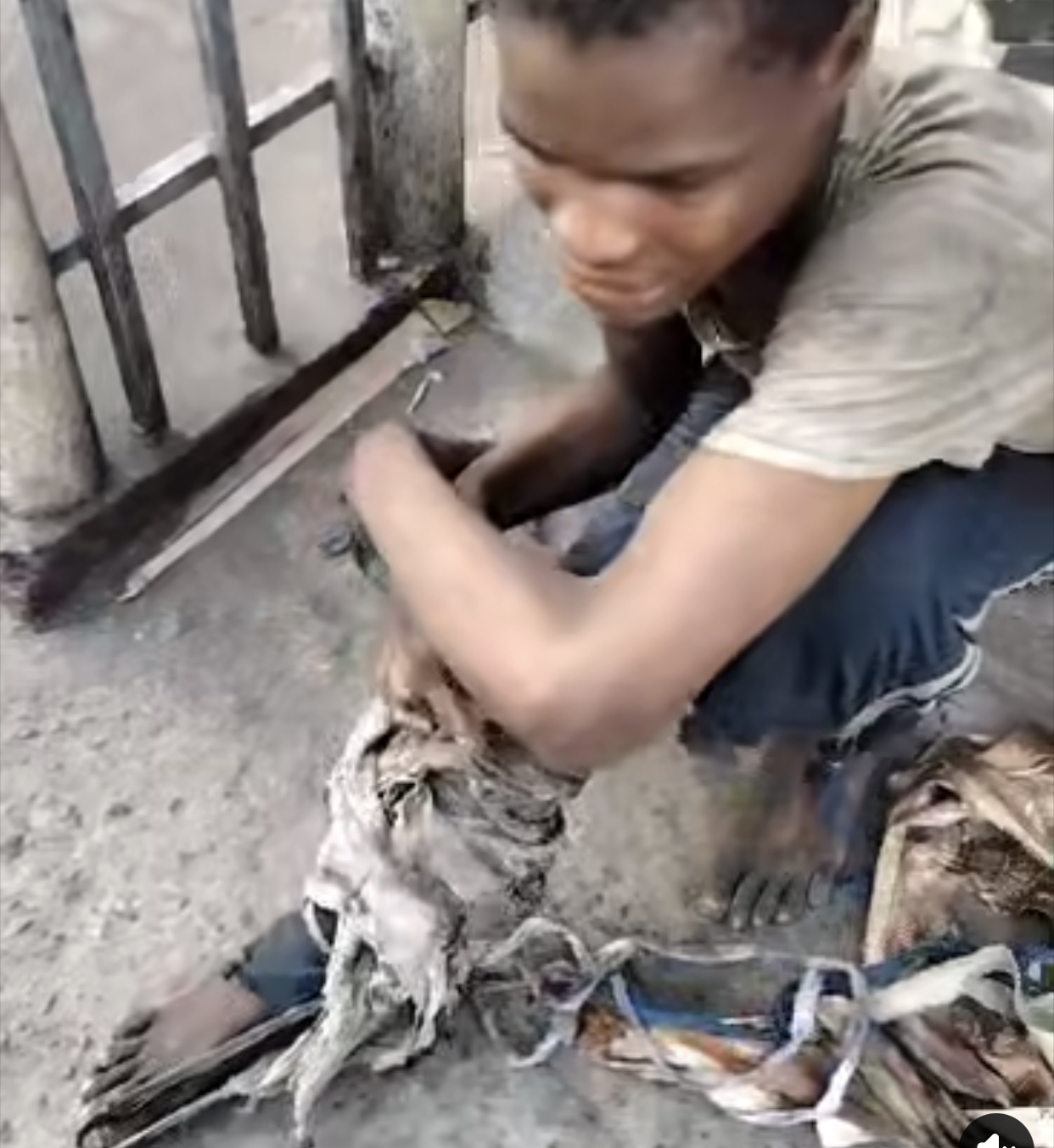
While official data on Kush-related deaths is unavailable, in February, 2024, the Executive Director of the Natural Drug Law Enforcement Agency, Chief Andrew Jaiah Kaikai, estimated that approximately a dozen Kush users perish weekly in Sierra Leone, often found in the streets and slums.
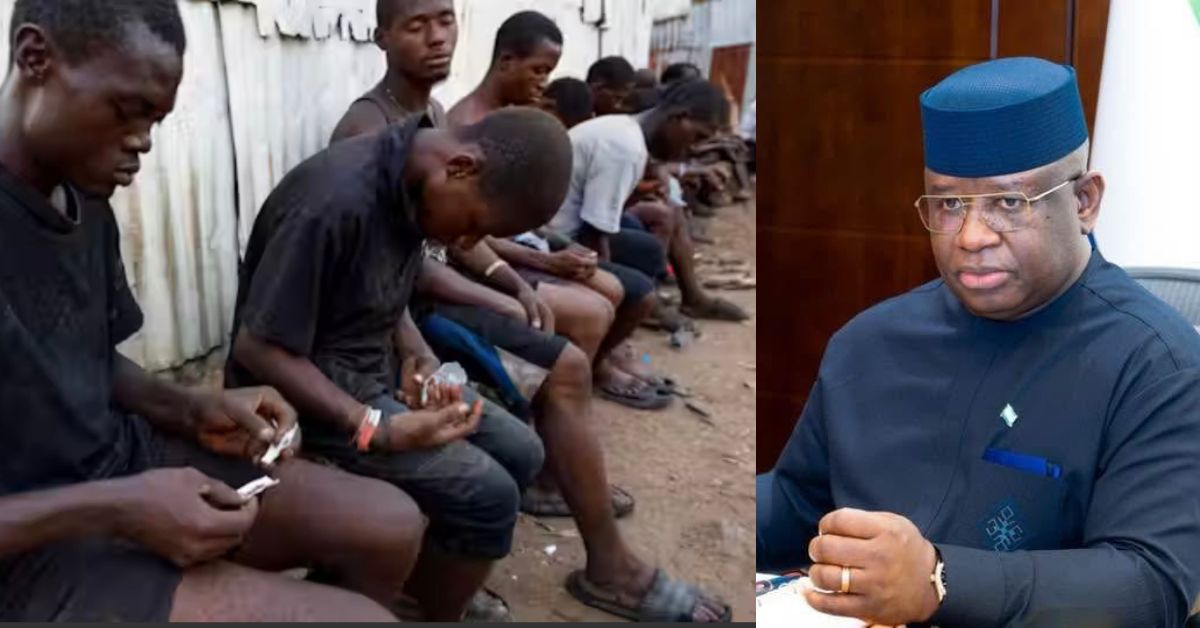
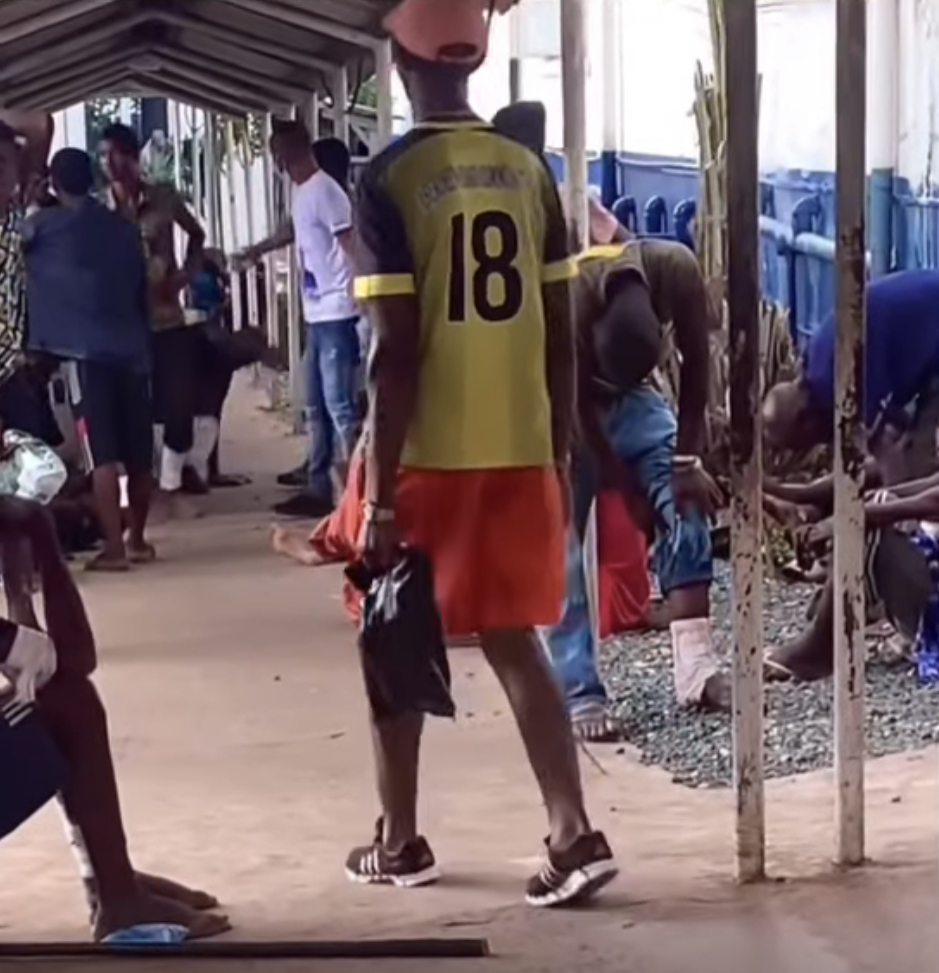
During their sensitization efforts near a bustling market in Freetown Magazine Cut, NDLEA officials observed alarming scenes of youths in a trance-like state, consuming Kush in makeshift gatherings.
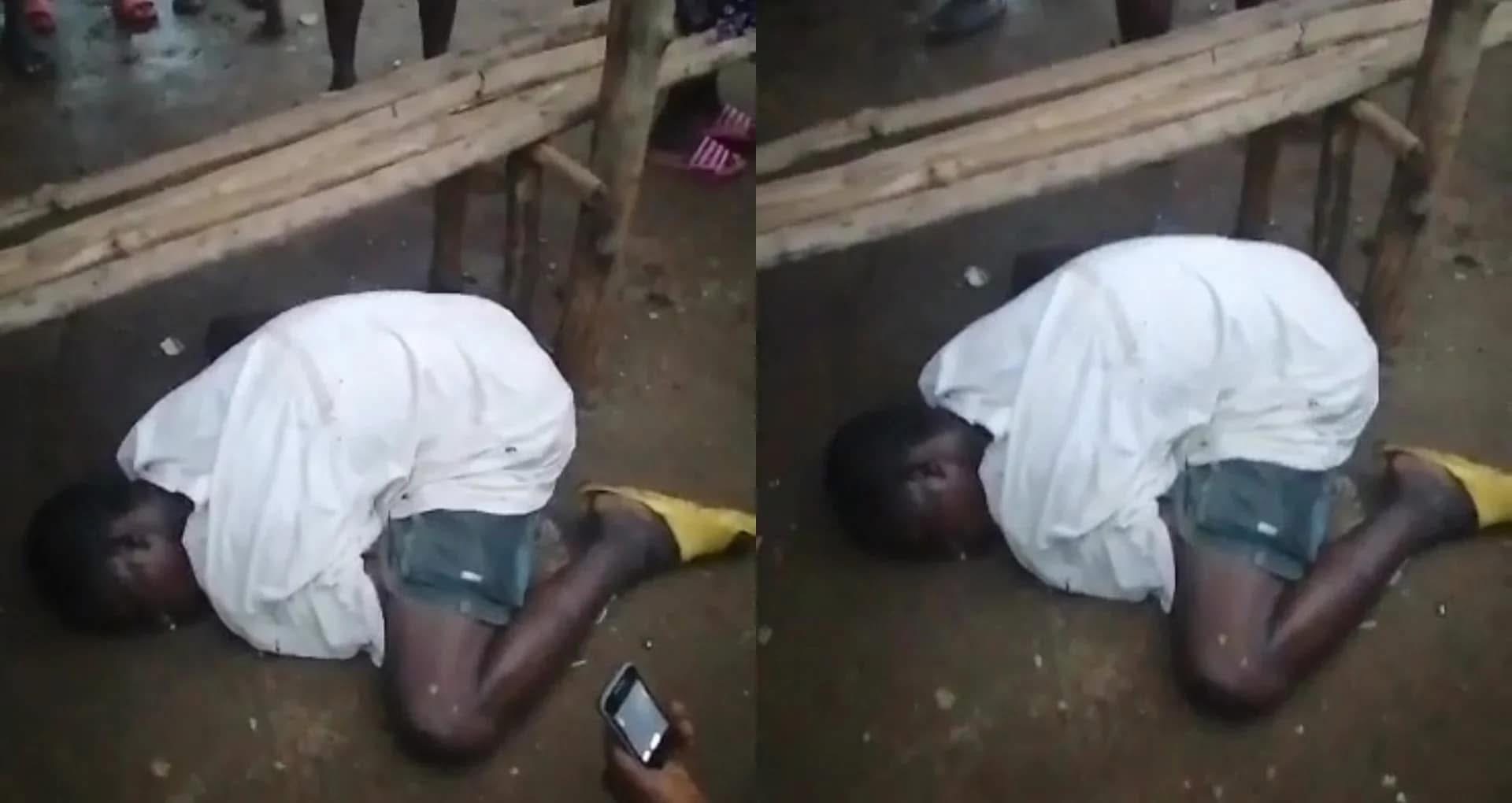
The dire consequences of Kush addiction were vividly illustrated through the testimonies of afflicted individuals like Mama G, a homeless former married woman who lost her family and belongings to sustain her addiction. Victims recounted resorting to theft and other desperate measures to feed their habit, underscoring the devastating impact of Kush on families and communities.
The health implications are equally severe. Chronic users often develop mental health disorders and other health complications, placing an additional burden on the already strained healthcare system. Resources that could support human capital development are being diverted to address the fallout from drug use.
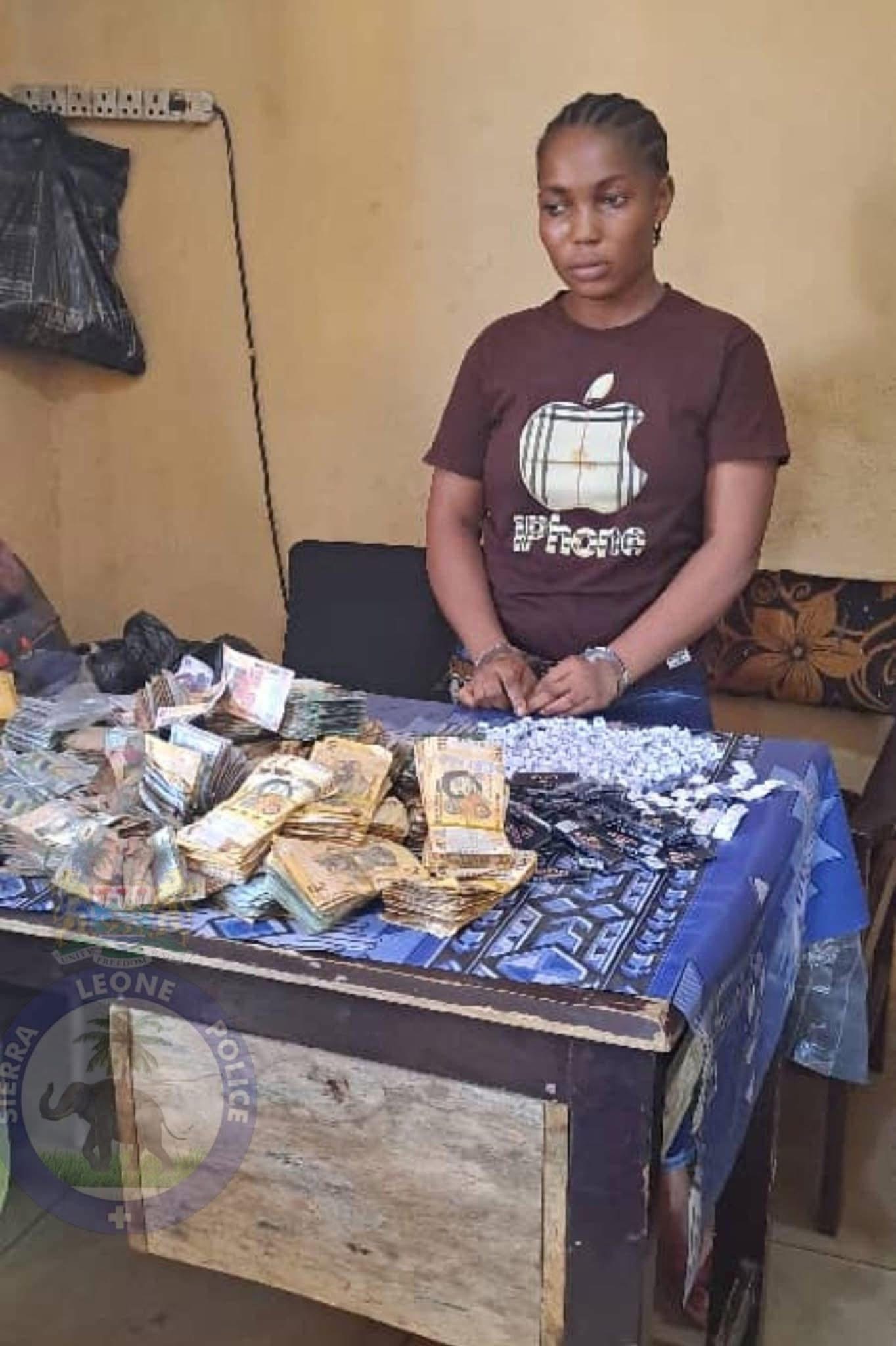
The smuggling of Kush into Sierra Leone is a complex issue driven by local and international factors. Organized crime syndicates are increasingly involved in trafficking Kush, exploiting the country’s porous borders and weak enforcement mechanisms. Vulnerable populations, particularly young people, are often lured into addiction and crime by these groups.
The societal consequences of Kush consumption extend beyond individual health crises. Families are left to cope with the aftermath of addiction, often facing financial ruin and emotional distress. Communities experience rising crime rates as drug-fueled violence becomes more common, adversely affecting local businesses and economic stability.
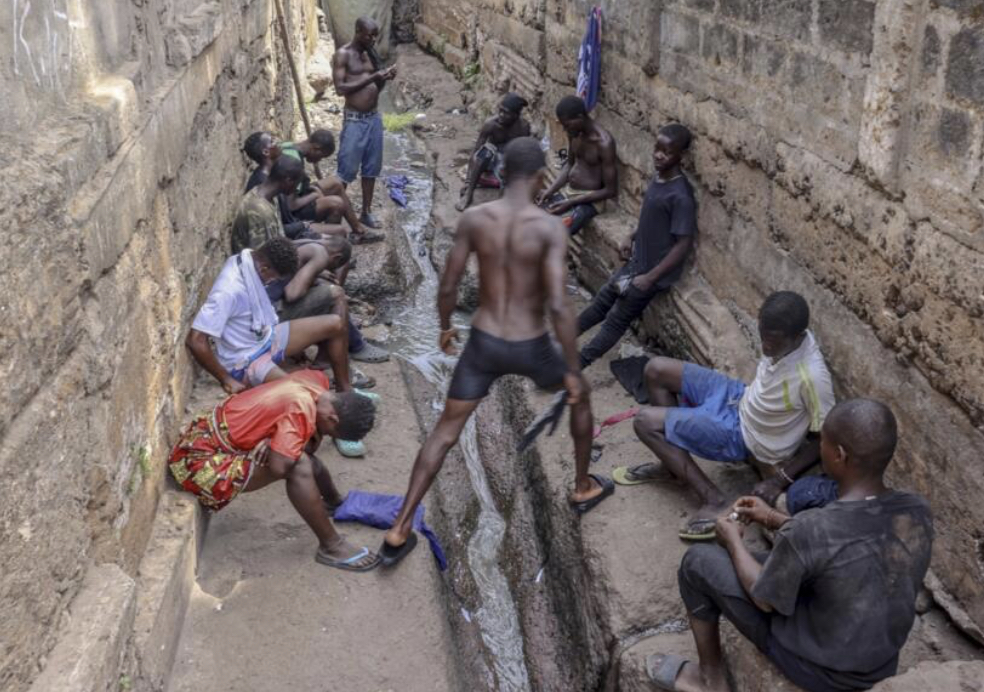
As the Kush epidemic escalates, President Bio’s vision for a prosperous and healthy Sierra Leone is increasingly threatened. While the government has implemented measures such as heightened law enforcement and public awareness campaigns, many argue that these efforts are insufficient without addressing the underlying causes of drug use, including poverty and lack of access to education and mental health services.
To effectively combat the Kush crisis and protect the future of Sierra Leone, a comprehensive approach is essential. This includes providing support for at-risk youth, enhancing educational opportunities, and fostering economic development in vulnerable communities.
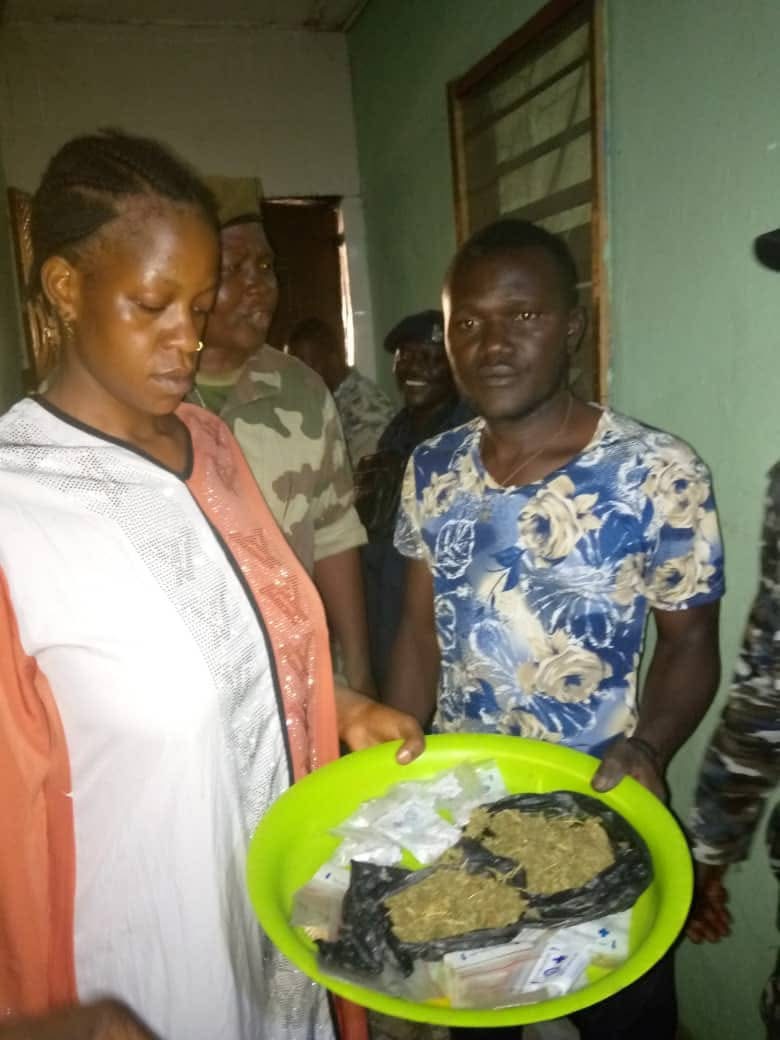
Community leaders and health advocates are calling for increased investment in rehabilitation programs and mental health services to assist those affected by addiction. “We need to create pathways for recovery and reintegration into society,” a local health expert emphasized, urging that “Without these resources, we will continue to lose lives and potential.”
Sierra Leone is at a crossroads as it confronts the devastating impact of Kush consumption. The human capital development goals set forth by President Bio risk being derailed if immediate action is not taken to address this pressing issue. The lives of countless young people are at stake, and their futures depend on a collective commitment to building a healthier, more prosperous society.
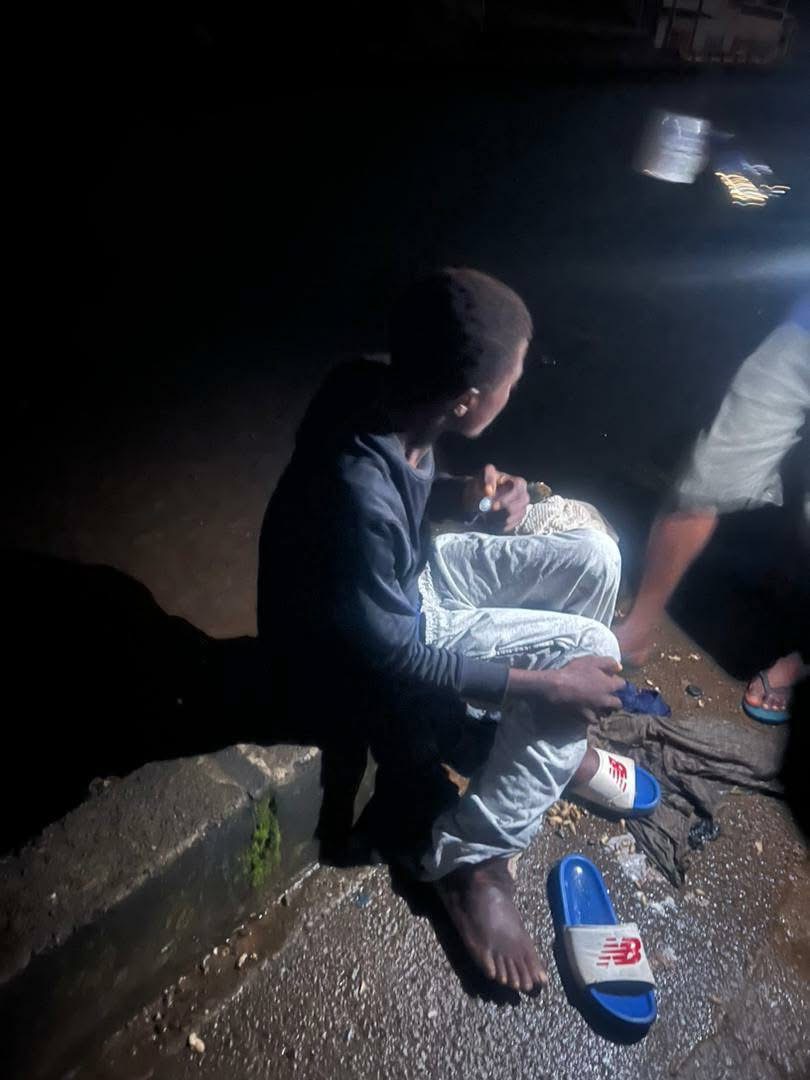
Collaboration among government agencies, non-governmental organizations, and international partners is critical to developing a unified response to the crisis. By working together, stakeholders can create effective strategies to combat drug trafficking, educate the public about the dangers of substance abuse, and provide support to communities in need.
As President Bio stated, “We must invest in our people, for they are the true wealth of our nation.” In light of the ongoing Kush crisis, it is imperative that all sectors of society unite to ensure that this investment does not become a lost opportunity. The time to act is now, for the sake of Sierra Leone’s future.
Put more police in the street and school.