

Sierra Leone Champions Localization of SDGs and Agenda 2063, Emphasizing Subsidiarity
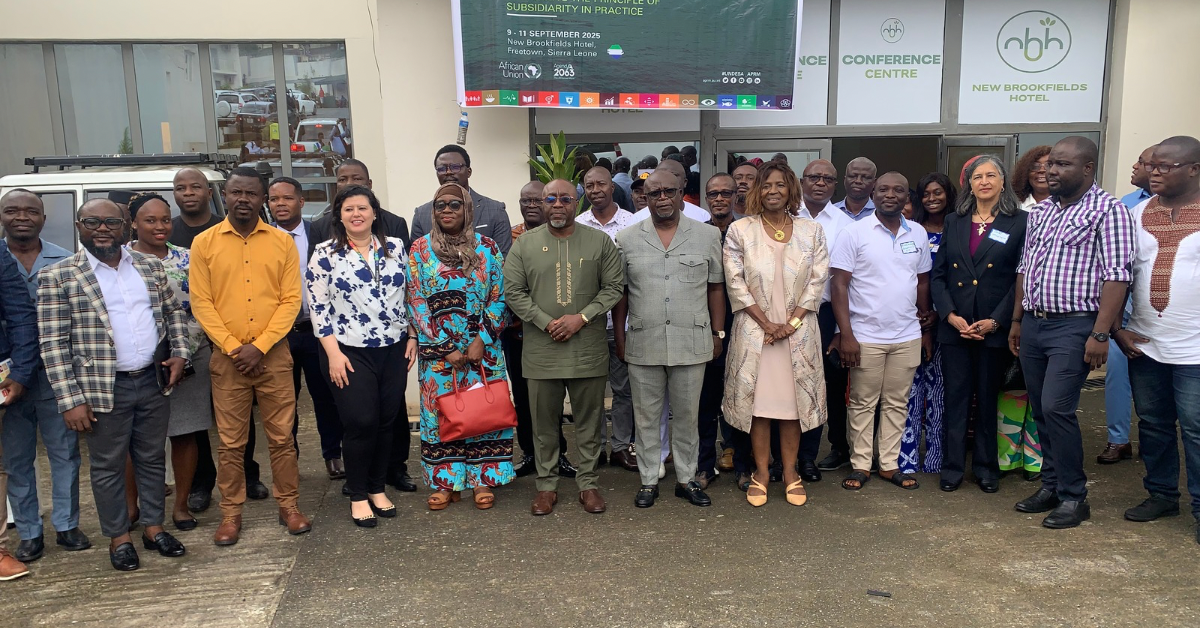
In a significant move towards grassroots-driven development, Sierra Leone has taken a leadership role in regional efforts to localize the Sustainable Development Goals (SDGs) and Agenda 2063, with a focus on the principle of subsidiarity—placing decision-making authority as close to local communities as possible.
The initiative was spotlighted during a three-day conference held from September 9th to 11th at the New Brookfields Hotel on Jomokinyatta Road in Freetown. Organized by the Ministry of Planning and Economic Development, the event aimed to advance the practical application of subsidiarity in development processes across the country.
Opening the conference, Chief Minister Dr. David Sengeh emphasized the vital importance of partnerships in driving national progress. He praised stakeholders for their continued collaboration with the government, underscoring that local communities and towns are essential frontline agents of development. “Subsidiarity is a key governance principle,” Dr. Sengeh stated, “and empowering local actors is fundamental to sustainable growth.”

He highlighted Sierra Leone’s ongoing efforts to integrate SDGs and Agenda 2063 into local governance, acknowledging existing challenges but advocating for innovative solutions. Among these, he called for the empowerment of local councils and the expansion of digital payment systems like mobile money to improve tax collection and resource mobilization at the community level.
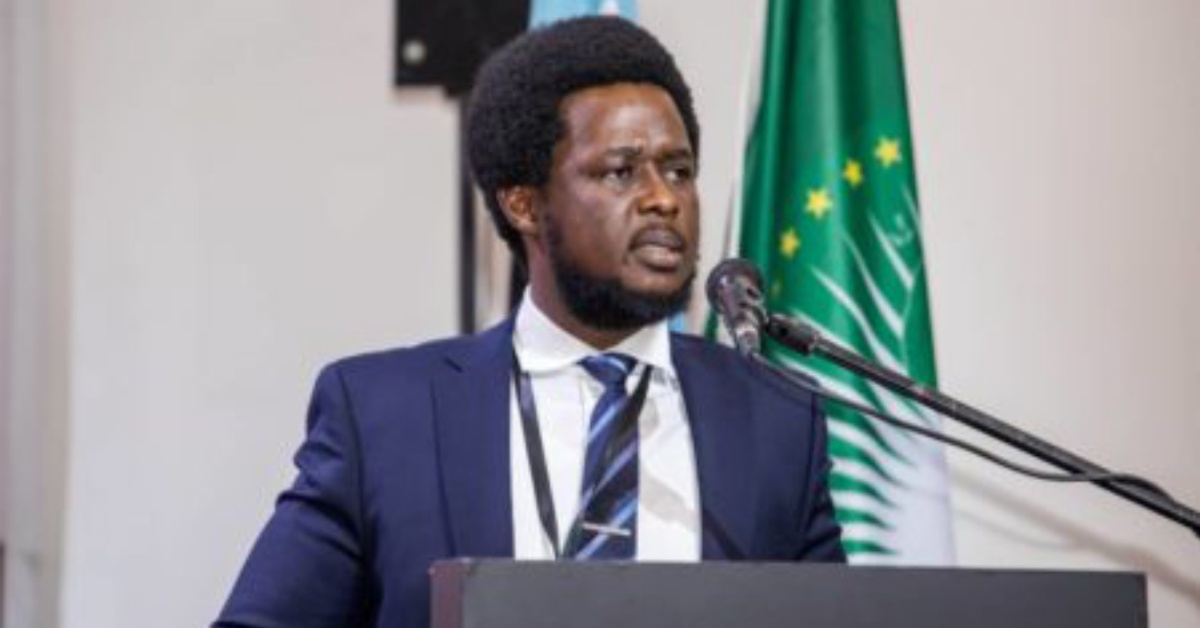

The Chief Minister also stressed the importance of decentralization and sustained partnerships, urging all stakeholders to work together in pursuit of shared development objectives. “Unity and collaboration are our strongest tools for progress,” he affirmed.
Minister of Planning and Economic Development, Kenyeh Barlay, welcomed local and international partners, emphasizing the significance of localizing SDGs.
She expressed optimism that momentum is building around the initiative and highlighted the necessity of equipping personnel and developing planning tools to ensure effective program management.
Minister Barlay urged stakeholders to support chiefdom development and to think creatively about mobilizing resources to achieve set goals.
UN Resident Coordinator a.i., Fedrick Ampiah, echoed these sentiments, emphasizing that translating global SDGs into tangible local actions is crucial. He urged local governments to embed these goals into their planning, budgeting, and community engagement efforts.
Ampiah underscored the critical role of local authorities in addressing poverty, inequality, and climate resilience, reaffirming the UN’s commitment to capacity building and inclusive development. He called on local councils to adopt SDGs as a governance foundation, champion social and environmental equity, and mobilize marginalized groups—including youth and women—as key change agents.
Congratulating Sierra Leone on its recent voluntary local reviews conducted in three districts, Ampiah reaffirmed that sustainable development remains an ongoing commitment. He emphasized that localization is the guiding compass for transforming global goals into meaningful community outcomes.
As Sierra Leone continues to pioneer efforts in localizing sustainable development, the nation underscores its commitment to inclusive growth driven from the grassroots, ensuring no community is left behind in the journey towards a sustainable future.