
Sierra Leone Begins Nationwide Resettlement Baseline Survey to Promote Fairness and Sustainability
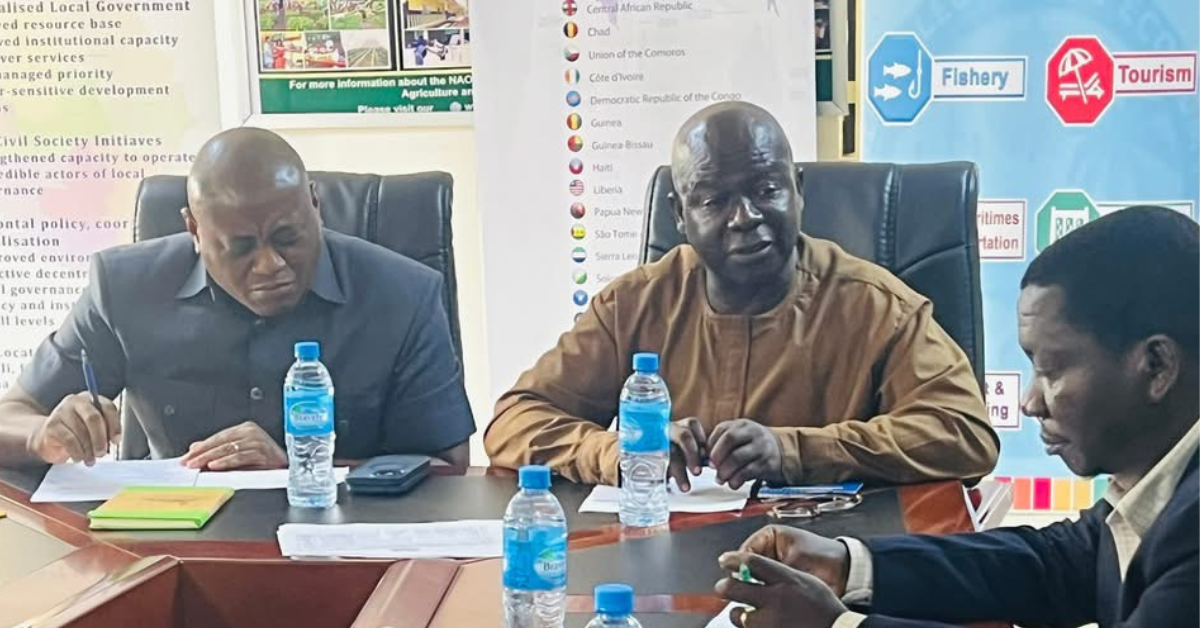
On September 18, 2025, Sierra Leone officially launched a comprehensive nationwide baseline survey as part of its efforts to ensure fair and sustainable resettlement processes, marking a significant step toward more inclusive development.
This disclosure was made at a crucial National Steering Committee meeting.
Led by the newly appointed Development Secretary, Mr. Ambrose James, the gathering marked the beginning of a new phase for the country’s resettlement program, focusing on transparency, fairness, and sustainability.

The meeting brought together top government officials, sector experts, development partners, and representatives from regulatory agencies at MoPED’s Conference Hall. The primary agenda was to set the foundation for a comprehensive baseline survey—an essential tool to shape equitable resettlement policies under the 2022 Development-Induced Resettlement Act.
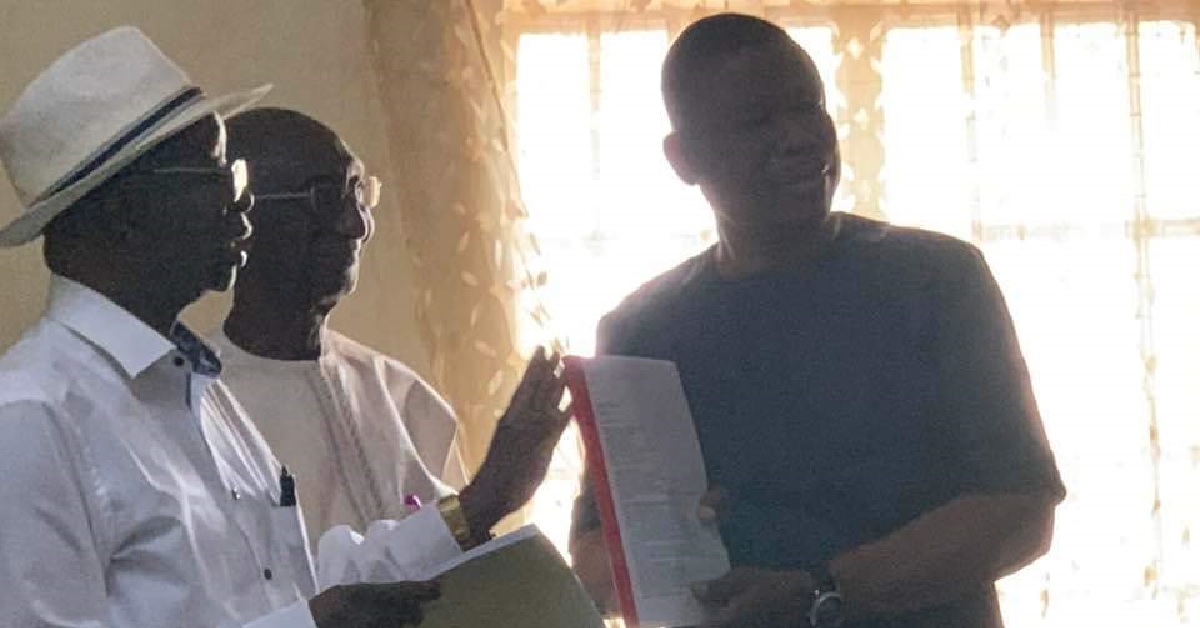


In his first address to the committee, Mr. James reaffirmed the government’s commitment to people-centered resettlement processes. He emphasized the need for stronger collaboration among ministries, agencies, and stakeholders to ensure the program’s success, while also highlighting that the Directorate is still building its institutional capacity.
He praised the dedicated technical teams working behind the scenes and encouraged them to keep up the momentum.
New leadership was also introduced during the meeting, with Mr. Mustapha Kposowa appointed as Director and Mr. Dennis Macfoy as Deputy Director of the National Development Induced Resettlement Directorate (NDIRD). Both leaders pledged to improve operational systems, learn from past experiences, and deliver tangible results for affected communities.
A key part of the discussion focused on the draft baseline survey tool, which will be piloted in four districts: Kono, Rutile, Lunsar, and Bumbuna. The pilot aims to collect crucial data on housing, water, food security, education, and access to basic services—laying the groundwork for a full nationwide survey. The survey will also gradually include indicators on livelihoods, gender, youth engagement, and financial inclusion.
Environmental and cultural impacts are central to the process. Representatives from the Environmental Protection Agency (EPA) emphasized integrating ecological assessments and agricultural productivity evaluations into the survey. The committee also paid close attention to issues affecting women, young people, and vulnerable groups, recognizing that resettlement can significantly impact these populations.
The committee distinguished between development-induced resettlement and disaster-related displacement, underscoring the importance of ongoing collaboration with agencies such as the EPA, the National Disaster Management Agency (NDMA), mining companies, and local councils. This multi-stakeholder approach aims to ensure inclusive and balanced decision-making throughout the resettlement process.
The pilot survey will kick off on September 29, 2025, with findings expected by the end of October. These insights will be compiled into a comprehensive report to guide future actions.
In closing, Mr. James called on all stakeholders to work together with seriousness and dedication. He reaffirmed the government’s commitment to aligning resettlement activities with national development goals, protecting the rights of affected persons, and building a resilient, equitable Sierra Leone.