


 Post a comment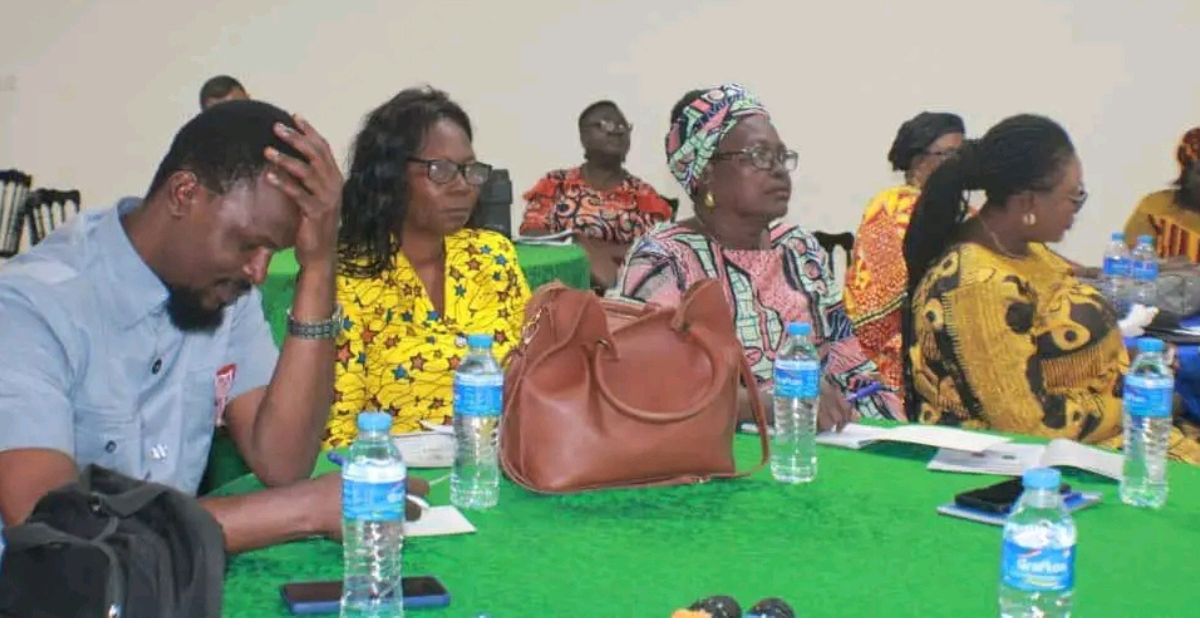
The Rainbo Initiative has convened a high-level stakeholders’ dialogue on the establishment of a Sexual Offenders Database (SOD), covering the period January 2024 to August 2025, as part of efforts to strengthen the fight against Sexual and Gender-Based Violence (SGBV) in Sierra Leone on the 23rd September 2025.
The event was held at the New Brookfield’s Hotel in Freetown, which brought together key officials including Hon. Catherine Zainab Tarawally, Mrs. Florence Nana Yaa-Manu Obaapa Taylor-Younge Esq. of the Office of the Attorney General and Ministry of Justice, Charles Vandi, Acting Chief Director of the Ministry of Gender and Children’s Affairs (MoGCA), Mark Bayor, Rainbo’s Research and M&E Manager, representatives from the Family Support Unit of the Sierra Leone Police, civil society organizations, and members of the media.
Welcoming participants, Rainbo’s Communications and Advocacy Manager, Mr. Bob Lamin, underscored the importance of the dialogue, noting that contributions from law enforcement, child protection agencies, and women’s empowerment organizations would be critical to shaping the system.

Mrs. Taylor-Younge delivered a presentation on the Sexual Offences Act 2012 and its 2019 amendment, stressing the law’s role in closing institutional gaps and holding perpetrators accountable—especially teachers and other authority figures who have often acted with impunity.
Hon. Tarawally, meanwhile, drew attention to emerging SGBV threats, referencing child marriage and adoption-related risks that could fuel child trafficking and exploitation. She called for adequate resourcing of One-Stop Centers and stronger parliamentary oversight, noting challenges such as poor road networks, logistical hurdles, and limited funding.
Presenting the schematic design of the SOD, Mr. Bayor revealed that between January 2024 and August 2025, Rainbo recorded a total of 2,607 SGBV cases. Of these, 2,744 were sexual assault cases, 164 involved physical assault, and 27 involved both male and female survivors.
District-level data showed Western Urban with the highest prevalence (866 cases, 32.2%), followed by Kenema (381 cases, 14.6%), Bo (378, 14.5%), Makeni (318, 12.2%), Kono (289, 11.1%), Western Rural (263, 10.1%), and Kambia (112, 4.3%). Additional data tracked age distribution, academic status of survivors—with Junior Secondary School pupils accounting for over 1,000 cases—time of assault, and categories of perpetrators.
Speaking on behalf of survivors, Ms. Michaella Bull, President of the Survivors’ Solidarity Group, emphasized the need for stronger policies, grassroots education, and community-based programs. She called for school engagement, gender sensitivity training, and nationwide campaigns to raise awareness on SGBV.In his remarks, Mr. Vandi reaffirmed the Ministry’s collaboration with Rainbo Initiative, noting ongoing efforts to sign an MoU to strengthen One-Stop Centers and ensure medical and psychosocial support for survivors. However, he acknowledged persistent challenges, including inadequate financial resources, weak coordination, and capacity gaps in the field.
The meeting culminated in the establishment of a subcommittee to guide the publication of the Sexual Offenders Database. Members include MoGCA, Sierra Leone Police/FSU, Rainbo Initiative, the Human Rights Commission of Sierra Leone, Legal Aid Board, civil society organizations, Parliament’s Gender Committee, the media, the Inter-Religious Council, and UN Agencies.
The dialogue ended with consensus on further consultations and collective action to operationalize the Sexual Offenders Database as a national tool for accountability and protection.
Source: SLENA


