

Residents Decry Large Waste on Freetown Streets Despite Despite FCC Cleaning Efforts
 Lamin Sheik Kamara
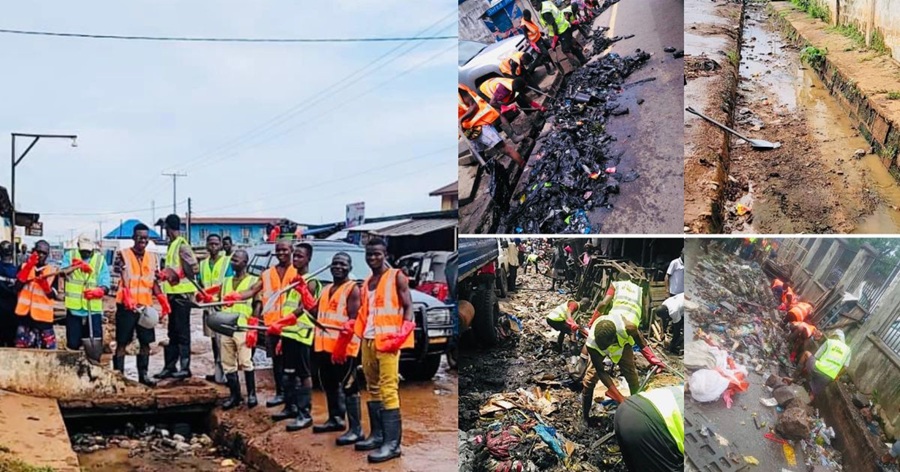
 Residents across Freetown are pointing to persistent and large-scale waste problems that continue to plague the city, turning it into what many describe as an “eyesore.”
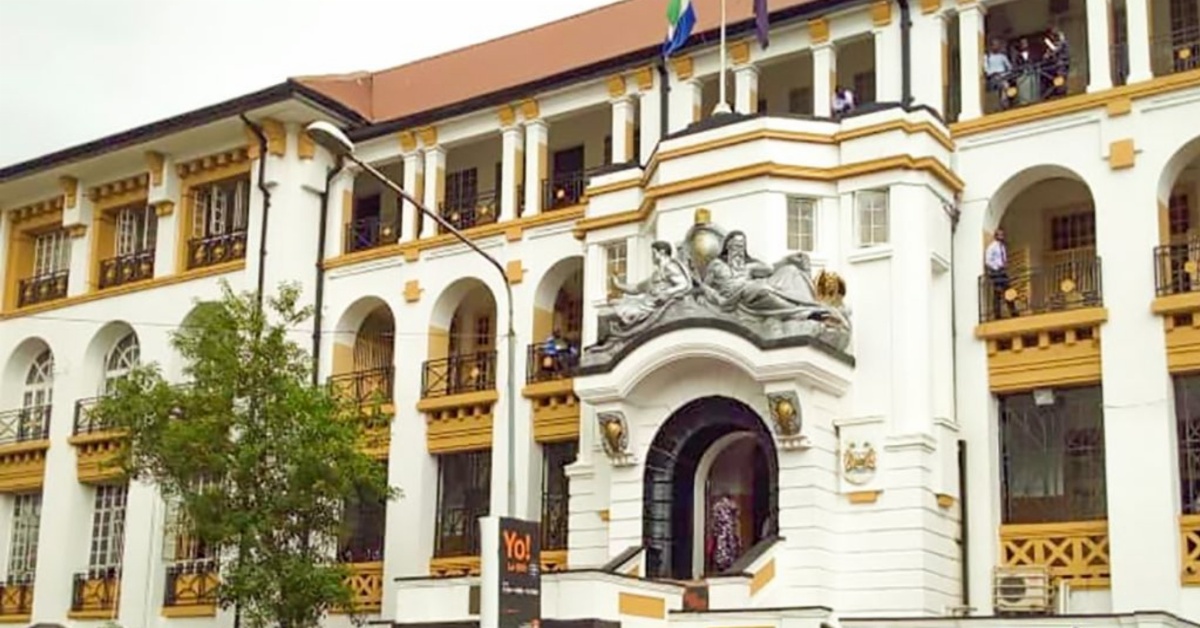
While the Freetown City Council (FCC) insists its sanitation efforts are consistent and not a “facade,” frustrated citizens are calling for more comprehensive and effective measures to achieve a truly clean city.
Residents acknowledge the presence of FCC workers implementing measures but argue the scope of the clean-up is insufficient. “For me, FCC has not done anything serious to get the entire city clean,” said one resident. A common suggestion to strengthen the council’s “Clean the City” operations is to recruit more young workers to bolster the FCC’s workforce.

The city’s sanitation crisis is most acute during the rainy season, when numerous culverts become clogged with rubbish washed down from Freetown’s hills. These gutters, blocked by plastics and market waste, frequently overflow, causing serious problems.


A particularly notorious trouble spot is Peterson Street at Regent Road, Central Freetown. A dumpsite under the bridge near the market here severely affects sellers during heavy rains. Clogged gutters not only disrupt market activities but also lead to flooding at the start and middle of the rainy season, compounding the frustration residents feel over the FCC’s inability to manage the waste effectively.
Beyond manpower, residents and waste collectors point to issues of consistency and resources. Mohamed, a garbage collector, previously noted that the breakdown of tricycles donated to the FCC hampered garbage collection. Furthermore, critics argue that one-off cleaning campaigns are not enough.
“Yes, new bylaws have been introduced, but FCC itself must take the lead in keeping the city clean,” one man emphasized, noting that the council is paid by the government and residents pay dues, creating an expectation of proper services.
Despite the challenges and skepticism, residents continue to call on the Freetown City Council to adopt more consistent and comprehensive measures, urging the FCC to take inspiration from cleaner African capitals such as Kigali and Accra.