Post a comment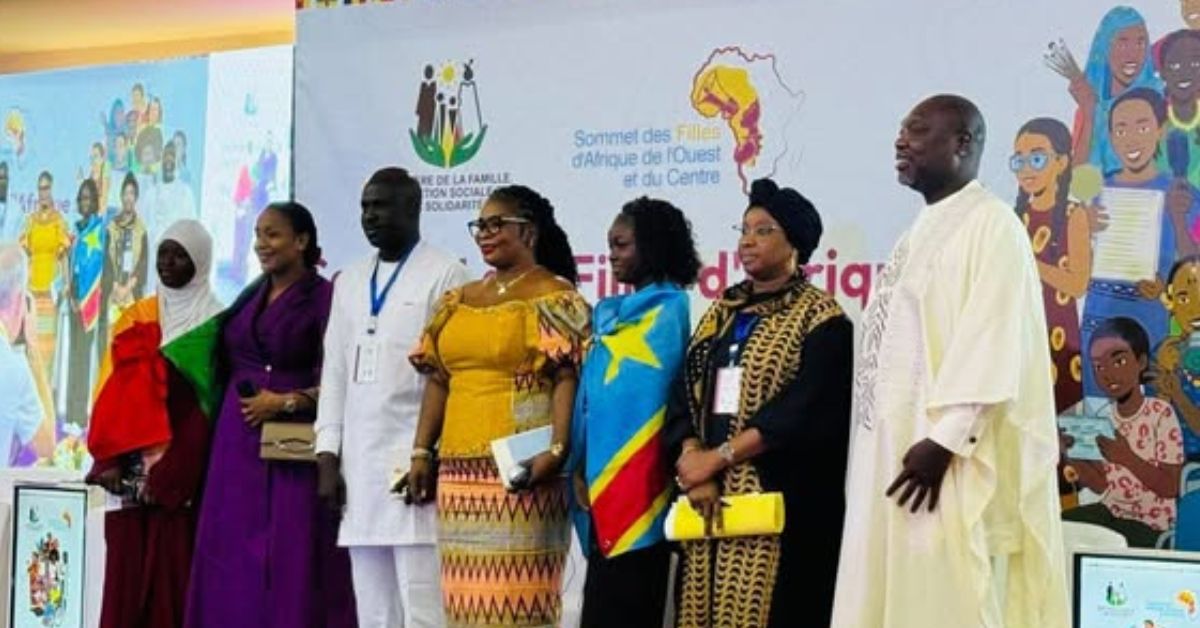
The Minister of Gender and Children’s Affairs, Dr. Isata Mahoi, has reaffirmed Sierra Leone’s leadership in promoting women’s empowerment through clean cooking initiatives, emphasizing that President Julius Maada Bio has elevated clean cooking to a national priority.
Speaking during a panel discussion on ‘Exploring How Innovation, Policy and Partnership Can Scale Access to Clean Cooking Solutions’, Dr. Mahoi noted that Sierra Leone’s commitment underlines the government’s broader vision for gender equality, health, and sustainable development.
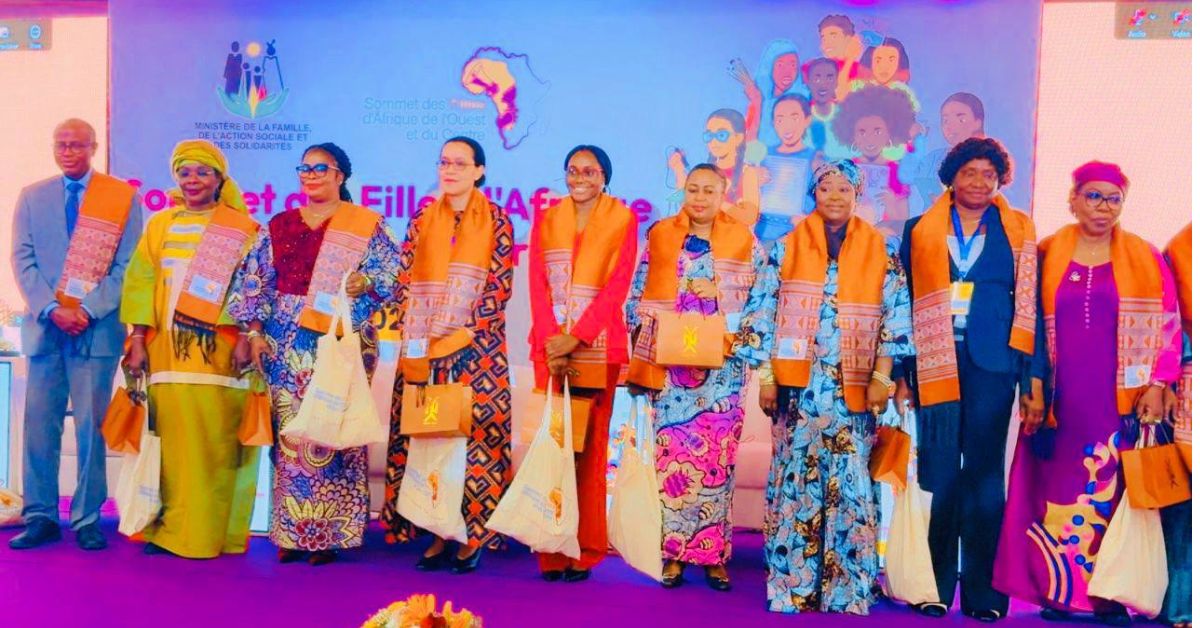
She made this statement while participating in the West and Central Africa Regional Adolescent Girls Summit, held in Dakar, Senegal, from 10th to 11th October 2025, co-organized by adolescent girls in partnership with the Government of Senegal and the UNICEF Regional Office for West and Central Africa.

The summit, which coincided with the International Day of the Girl on October 11, brought together adolescent girls, boys, national and regional leaders, technical experts, and development partners to support a Regional Girls’ Agenda. Sierra Leone’s Ambassador to Senegal, H.E. Ibrahim Turay, was also in attendance.
Dr. Isata Mahoi explained that in Sierra Leone, the urgency to scale access to clean cooking stems from the daily realities of women and children, describing it as “not merely an energy issue, but a gender equality imperative, a public health concern, and a child protection priority.”
She added that this political commitment is reflected in the Sierra Leone National Clean Cooking Strategy 2025-2035, and has been operationalized through the establishment of a Clean Cooking Unit at the Office of the President.
“But our approach goes deeper; clean cooking is embedded within our broader gender architecture, including the Gender Equality and Women’s Empowerment (GEWE) Policy 2020, which calls for systemic reforms to reduce gendered burdens and promote inclusive development,” she said.
Beyond providing tools, training, and financing to women to champion clean cooking innovation in their communities, Dr. Mahoi noted that policy integration remains key, as clean cooking is now part of Sierra Leone’s national gender and protection frameworks, ensuring cross-sectoral accountability.
She further disclosed that Sierra Leone is working to eliminate household air pollution, which disproportionately affects children’s health and development, while collaborating with innovators, donors, and grassroots organizations to ensure solutions are affordable, scalable, and culturally relevant.
The Dakar summit aims to amplify the voices of the 74 million adolescent girls across the region, representing 11% of the global adolescent population, and to catalyze collective action for the advancement of their rights. It also serves as a strategic platform to reinforce commitments and accelerate progress toward the protection, empowerment, and full participation of girls in society contributing meaningfully to the Beijing+30 Platform for Action.
Source: https://www.facebook.com/100068969597270/posts/1124663469842629/?mibextid=rS40aB7S9Ucbxw6v