

Traders Raise Concerns Over NLe 6,000 Fee for Open Stalls at Sewa Grounds Market
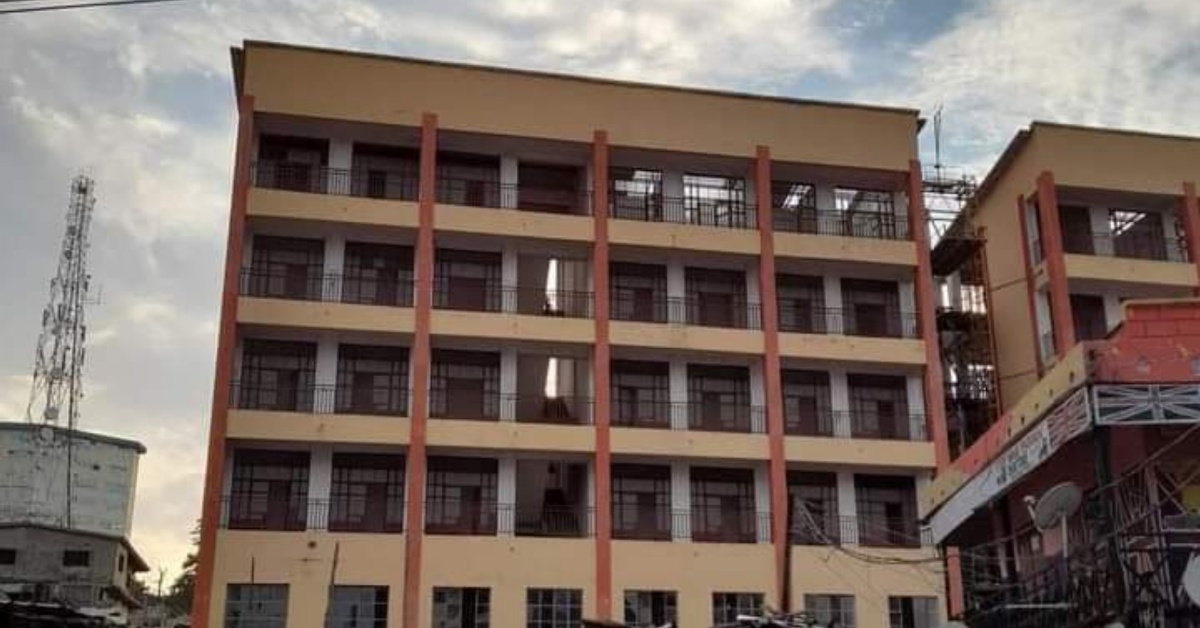
The long-awaited Sewa Grounds Market, whose construction began in 2014, was officially launched by President Julius Maada Bio in September 2025.
Touted as a major investment by the National Social Security and Insurance Trust (NASSIT), the market is intended to boost socio-economic development and reduce street trading in Freetown’s Central Business District.
However, just weeks after its opening, a wave of concern is rising among traders over the NLe 6,000 annual fee attached to open stalls, with many questioning whether the market will truly serve the local business community.

Valued at over $20 million, the market includes upscale lockup shops, medium-scale lockups, warehouses, and open stores. Mohamed Gondoe, Acting Director General of NASSIT, defended the pricing, saying it was negotiated with both the President and traders to ensure affordability.

“We had to negotiate the price for the open store with His Excellency and the traders to ensure that the traders are able to afford the price,” Gondoe told reporters at a press conference.
Despite these assurances, some traders remain dissatisfied. Many who were displaced during the market’s construction and relocated to Garrison Street, Rawdon Street, and Free Street feel the fee is prohibitive. Fudia Gbla, Chairlady of the Sewa Grounds Market, said, “We had hoped the government would reduce the price of the open store. They say it’s the best price considering the investment, but many of us are struggling to raise that amount.”
The market was envisioned as a solution to street trading chaos, which has long clogged major roads and footpaths in Freetown. The Sierra Leone Road Safety Authority has repeatedly demolished illegal structures along areas such as Dwarzark, Model, and Kingharman Road. Yet traders argue that without affordable access to formal stalls, the problem may persist.
“There’s a real fear that this market will only serve traders with capital,” said one vendor currently selling local produce on Rawdon Street. “What happens to those of us who deal in small goods and can’t afford NLe 6,000 upfront?”
Charles Mambu, Chairman of Infrastructure for Development in Sierra Leone, welcomed the investment but cautioned against poor management. “We’ve seen multimillion-dollar projects collapse due to neglect. NASSIT must ensure strict oversight so that this market doesn’t fall into disrepair,” he said.
Management of the market has been handed over to the Sierra Estate Management Company, which will oversee operations and announce criteria for stall allocation. The company’s General Manager promised transparency in distributing application forms, assuring that local traders would be prioritised.
As the government positions the market as a step toward organized commerce and safer streets, traders are calling for a more inclusive approach one that reflects their financial realities and ensures that no one is left behind.
The central question remains: will the Sewa Grounds Market truly serve the traders it was built for, or will the NLe 6,000 price tag push out the very people it was meant to protect?
even if the price could have been Nle 2.000, Sierra Leone traders will still say that is toomuch for them. It’s a pity to my country people