

Visually Impaired Students Say Patience Running Thin Amid Unmet Demands at FBC
 Sahid Bangura
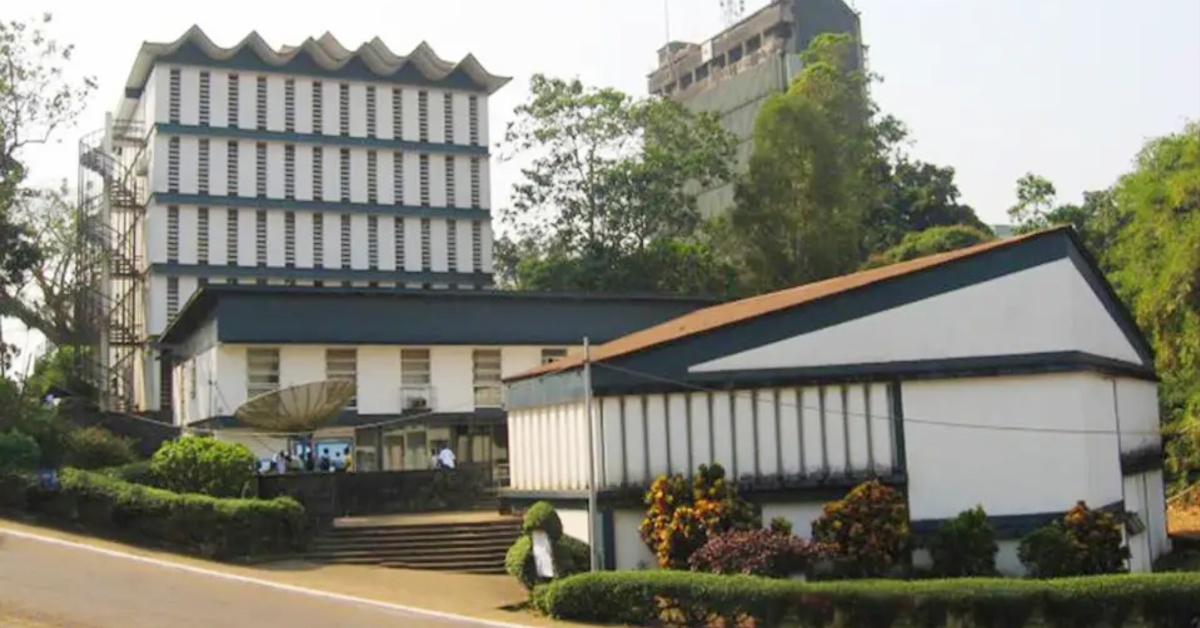
 Visually impaired students at Fourah Bay College (FBC) say their patience is “wearing thin” as unresolved challenges continue to mount, leaving them increasingly frustrated, excluded and uncertain about their future on Sierra Leone’s oldest campus.
Speaking in an interview, Batholomew Tejan Janneh, a third-year student in the Faculty of Communication, Media and Information Studies, said visually impaired students have spent years appealing for support without any meaningful action from the authorities.
“We’ve clamoured, we’ve cried, and we’ve sought different avenues for these issues to be resolved. But to our greatest surprise, they’ve not been resolved,” Janneh said, noting that their concerns have gone unattended since the 2022/23 academic year.

Once regarded as a symbol of academic excellence, FBC now presents daily barriers that visually impaired students say overshadow the college’s reputation. Many of these obstacles, they argue, should have been addressed under the 2011 Disability Act – particularly sections 14 and 16 on equal access to education – but remain unresolved.
Janneh said the dissolution of the Student’s Grant-in-Aid (SLG) has worsened their situation. Between 2018 and 2021, the government disbursed thousands of grants benefiting 8,112 students, but as the scheme phased out, visually impaired students were left struggling with rising fees and declining support.
“Every year, the fees are going up. And the more they go up, the more challenges we face,” he explained. “We don’t have access to the library as visually impaired students because there are no Braille books.”
Alhaji Lolleh, a second-year Peace and Conflict Studies student, said the challenges extend beyond fees. He reported difficulties accessing grades, obtaining admission numbers, and converting lecture materials into audio formats.
“We also find it challenging to get lecture notes transcribed into audio and inserted into a USB. The time I use to record notes would better be used to study,” he said.
These struggles come at a time when even able-bodied students face widespread hardship on the “Aureol” campus. But visually impaired students say they remain committed to education rather than resorting to begging, despite facing discrimination and rejection.
Mariama S. Kainessie, a Diploma II student in Gender and Development Studies, said many promises made to students with special needs remain unfulfilled.
“Our constraints as students with special needs at FBC are really tedious. We sometimes get frustrated pursuing our dreams,” she said. She added that although she heard that students with special needs should receive free tertiary education at government institutions, she has not benefited from the Student Loan Scheme. She appealed for the Chief Minister’s Radical Inclusion initiative to be extended to tertiary institutions to guarantee equal access.
Responding to the concerns, the Chairman and Chief Commissioner of the National Commission for Persons with Disabilities acknowledged that visually impaired students continue to face challenges.
He said the Commission is working with the Office of the Attorney General and the Ministry of Social Welfare, Gender and Children’s Affairs to review the 2011 Disability Act and clarify provisions on free tertiary education. He described the existing law as “resistant” and said institutions often impose extra charges, leaving many issues unresolved.
Despite the delays, visually impaired students say their calls are not demands but pleas for fairness and action.
“We are not coercing the government,” Janneh stressed. “We just want commitments fulfilled and proper solutions implemented so that we can take our rightful place in Sierra Leone’s education system.”