

Three Women Handed Lengthy Prison Terms for Drug Offences in Freetown
 Jayah Koker
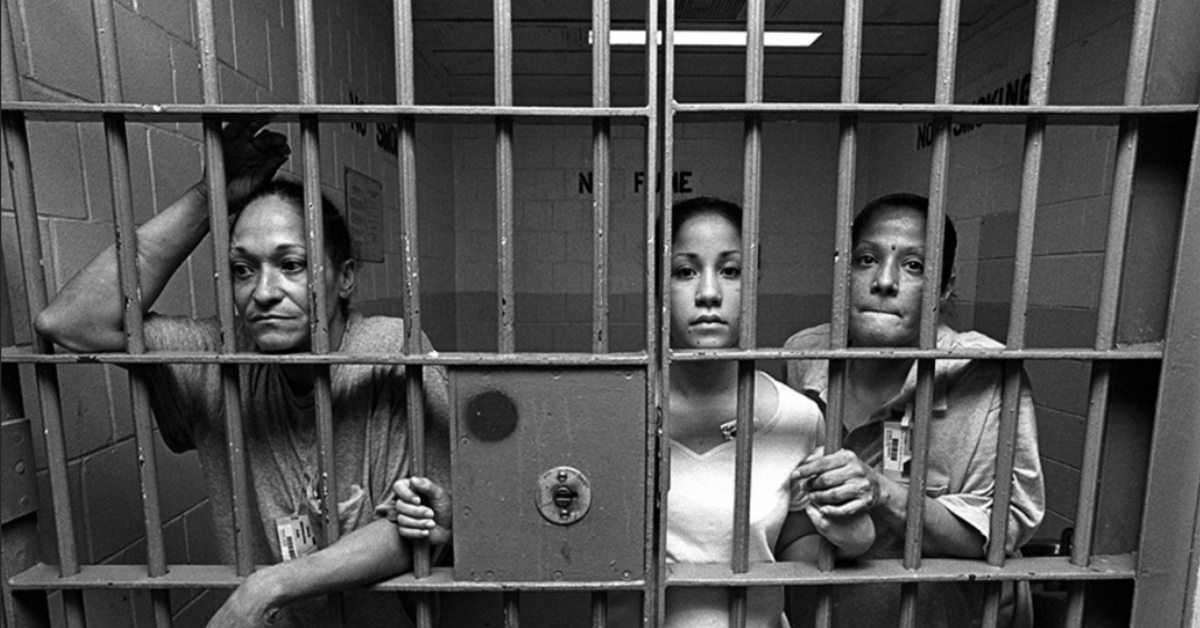
 The High Court of Sierra Leone on Monday sentenced three women to lengthy prison terms for drug offences following major raids in Freetown earlier this year. Justice Josephine F. Hinga handed 30-year sentences to Adama Kamara and Yeanoh Kargbo, while Sia Kamara received 15 years, under the National Drugs Control Act, 2008.
The sentences followed separate operations by the Transnational Organized Crime Unit (TOCU) that uncovered significant quantities of cannabis and kush. On 25 April 2025, D/SP Andrew Rhonkoh led a raid at a Mills Street residence where 800 grams of cannabis were seized and Adama Kamara arrested. At the same location, Yeanoh Kargbo was found with 30 grams of kush. In a separate raid on Mabel Brown Street, TOCU officers recovered 1.8 kilograms of kush from Sia Kamara. All three women admitted the offences in court.
During mitigation, defence lawyer C. Taylor-Young urged the court to show leniency, emphasizing that the women are young mothers and primary caregivers. He cautioned that long prison terms could place their children in difficult circumstances.

Prosecutor J. K. Jan-Abu countered that the drugs involved had harmed many young people, stressing that guilty pleas did not lessen the seriousness of the crimes. Justice Hinga acknowledged the defendants’ caregiving responsibilities but underscored the scale of the drug problem in Freetown and across Sierra Leone, describing the offences as a significant threat to the nation’s youth. She said the sentences must also serve as a deterrent.

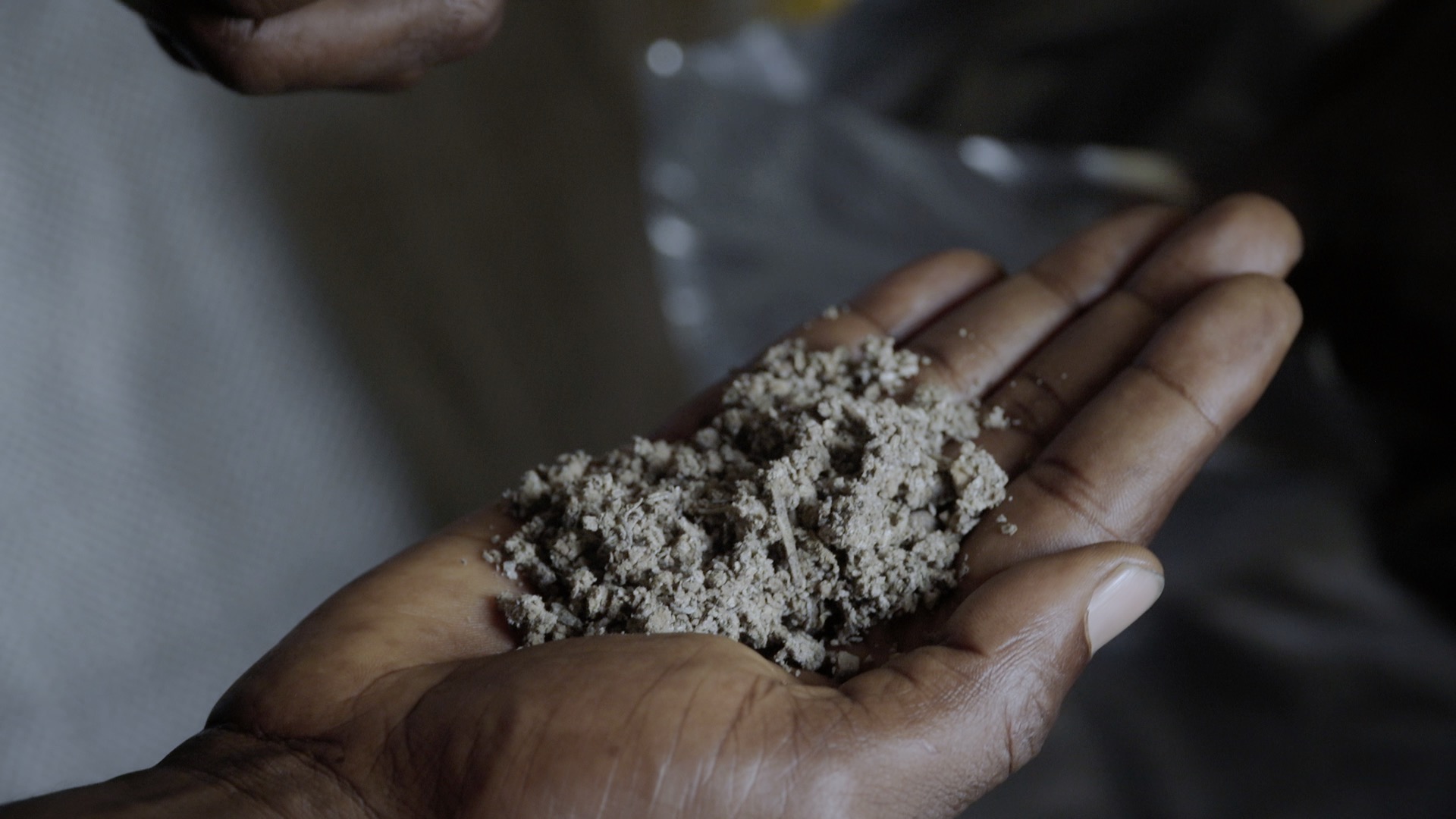

Justice Hinga further ordered that all seized substances be destroyed in the presence of senior justice officials, with a destruction certificate to be submitted to the court.
The ruling has sparked discussion about the wider social consequences of strict drug enforcement, particularly for families dependent on primary caregivers. Social workers and child welfare advocates warn that extended imprisonment can disrupt households, deepen poverty, and complicate reintegration efforts after release.
The case reflects the government’s tough stance on drug offences and highlights the ongoing challenges of balancing deterrence with social impact. Community groups and policymakers may now face increased pressure to consider rehabilitation programs, diversion options, and support mechanisms for families affected by heavy custodial sentences.
Justice Hinga’s decision signals a firm approach to drug enforcement in Sierra Leone while drawing attention to the social trade-offs involved when caregivers are removed from their communities for long periods.