


 1 Comment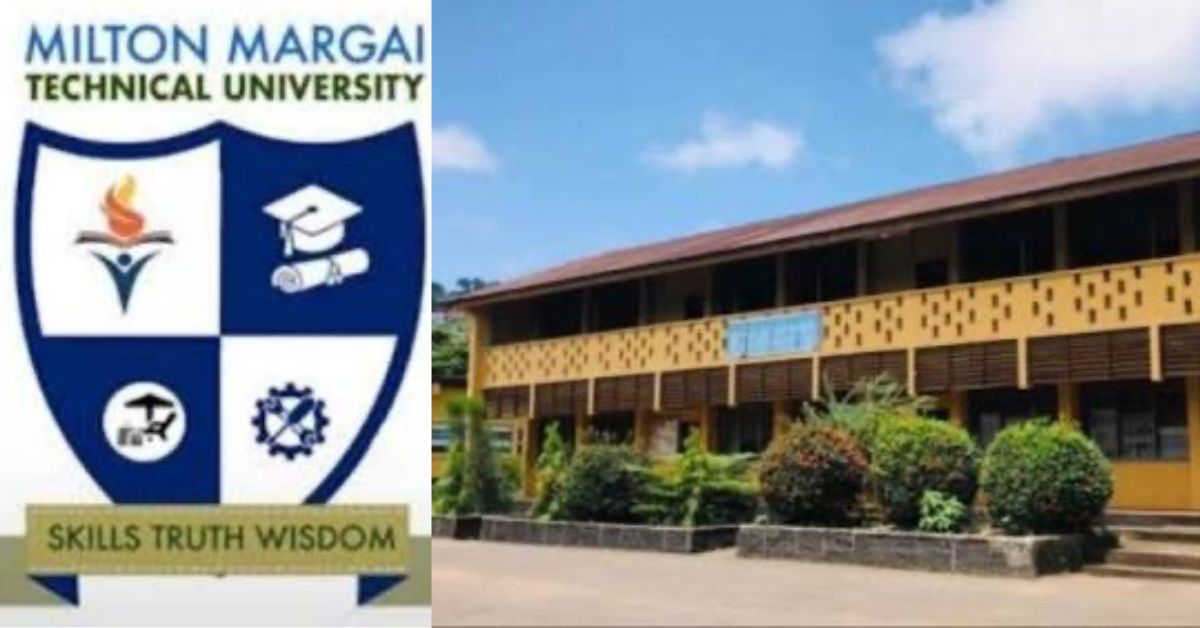
A group of aggrieved staff members at Milton Margai Technical University (MMTU) has spoken out against the dismissal of 310 employees, including 120 senior lecturers, following the institution’s 2021 transition from a polytechnic to a technical university.
The staff claims that the university’s administration, led by Vice Chancellor and Principal Prof. Philip John Kanu, has unfairly targeted them, causing severe disruptions to teaching and leaving many without their primary source of income.
In an interview with Truth Media, Ing. Mohamed Allieu Jalloh, Chancellor of MMTU, emphasized that removing experienced and long-serving lecturers would be a mistake.

He noted that some of these lecturers have been with the institution for over 20 years, contributing significantly to the education of students.
“These lecturers have invaluable experience. They are essential to the university’s academic fabric,” said Ing. Jalloh. “It would be wrong to discard them.”
The dispute began after the Tertiary Education Commission (TEC) approved a re-categorization list following the institution’s transformation. Despite this approval, staff members allege that Prof. Kanu issued “final separation” letters to them, effectively ending their employment. These actions have sparked frustration, with staff claiming they were left in a state of uncertainty about their future.
Senior staff member Fatmata Gloria Rhida, a former principal lecturer at MMTU, explained the staff’s predicament. “We were told to abide by the re-categorization list approved by the TEC and ignore the final separation letters. However, Prof. Kanu’s actions have been contradictory.
While staff at Eastern Technical University (ETU), which transitioned at the same time as MMTU, started receiving salaries under the new university status, we continued to receive payments based on the old polytechnic payroll.”
Rhida went on to explain that in May, the Minister of Education, Ramatulai Wurie, intervened, urging staff to stay patient and follow the approved list. She even held a “family meeting” to address the issue, assuring the staff that their concerns would be resolved. However, the situation worsened in September when lecturers were issued “end of contract” letters after agreeing to a temporary contract extension.
“We were asked to stay by our phones, but instead of receiving a call, we saw on social media that Prof. Kanu had recruited new staff and issued them employment letters,” Rhida said. “It became clear that the new staff were being hired under better terms, including university-scale salaries.”
Staff members allege that there is personal malice behind their dismissal, with some suggesting that Prof. Kanu is selectively excluding long-serving staff members in favor of new hires. In October, the Chancellor attempted to call an executive court meeting to discuss the matter, but Prof. Kanu reportedly claimed that there were no resources to hold the meeting.
On the same day, Kanu allegedly attempted to have 132 senior staff members excluded from the TEC voucher, although this attempt was unsuccessful.
In response, Ing. Jalloh criticized the approach taken by the Vice Chancellor. “It is important to offer these staff time and opportunities to upgrade their qualifications,” he said, addressing the issue of qualification requirements.
“Some lecturers have Master’s degrees, and they should be allowed to use these qualifications while they work on upgrading to an MPhil. We cannot just dismiss them without offering support.”
The Chancellor also suggested that the process should be more flexible. “If a lecturer needs more time, say a year or two, to meet the new requirements, then we should give them that time. We should also consider providing scholarships or financial incentives to help them upgrade their qualifications.”
The dispute has raised concerns about the university’s commitment to its faculty and the long-term impact on education at MMTU. Ing. Jalloh called for a more measured approach to the issue, urging the Ministry of Education to consider the welfare of experienced staff members while ensuring that the institution adheres to new academic standards.
He proposed four steps to resolve the situation:
1. External Vetting: Involve Vice Chancellors from other public universities to vet the qualifications of new and existing staff members to ensure impartiality.
2. Staff Comparison: Conduct a formal comparison of the qualifications of current lecturers and new recruits.
3. Salary Audit: Review the salary discrepancies between long-serving staff and new hires.
4. Alternative Funding: Seek partnership resources from organizations such as PLAN International, UNDP, and World Vision to alleviate budgetary concerns.
Ing. Jalloh also expressed frustration that his efforts to convene the Executive Committee had been met with resistance. “We have wasted weeks with no progress. The lecturers are anxious as they head into the holiday season,” he said.
The Chancellor’s remarks come as the staff remain hopeful that the Ministry of Education, under the leadership of Minister Ramatulai Wurie, will take swift action to address the matter. “If these recommendations are implemented, we believe the Ministry will be able to resolve the issue fairly,” Jalloh concluded.
Truth Media reached out to Prof. Philip John Kanu for comment on the allegations, but did not receive a response before the publication deadline. The situation remains unresolved, and the affected lecturers continue to wait for a resolution.


Sierra Leone is a country of law and order, Philip john kanu is not above the law , and hence should allow due processes to be followed, leaving experienced lecturers for yesterday’s graduates is undone and it’s an unfair treatment to the long serving lecturers’ the four resolution points should be followed in other to avert unfair treatment .