


 Post a comment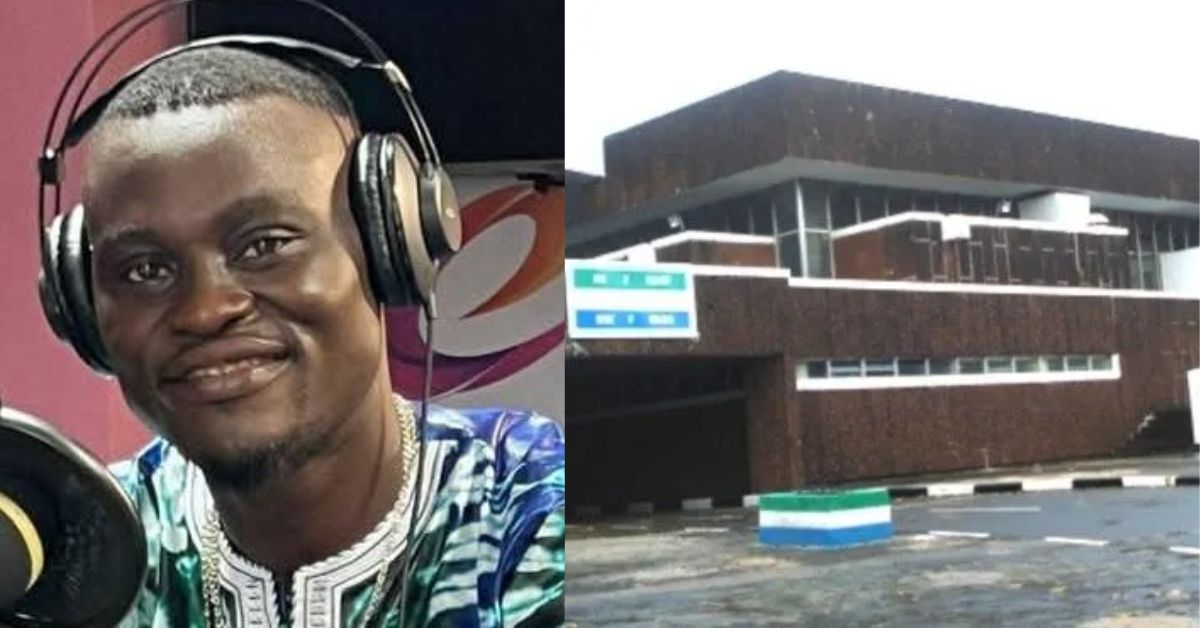
The indefinite ban imposed on parliamentary journalist Melvin Tejan Mansaray from accessing the precincts of Sierra Leone’s Parliament has continued to generate serious concerns about press freedom, due process, and democratic accountability, nearly one year after the sanction was enforced.
The ban was ordered on January 10, 2025, by the Speaker of Parliament, Hon. Solomon Segehpoh Thomas, following allegations of what was described as “insulting conduct” by the journalist.
According to a report, no evidence was publicly presented to support the allegations, nor was Mansaray given an opportunity to respond to the claims, for which critics say, amount to a clear violation of the principles of natural justice.

Media rights organizations and press freedom advocates have consistently condemned the decision, describing it as arbitrary and disproportionate. Efforts by the Sierra Leone Association of Journalists (SLAJ) and the Parliamentary Press Gallery to resolve the matter amicably reportedly failed.
These efforts included proposals for the issue to be formally addressed by the Independent Media Commission (IMC), but the Speaker declined to submit a complaint to the regulatory body.
Instead, the case was referred to Parliament’s Privileges and Ethics Committee, where, according to reports, Mansaray faced restrictive procedures. These included the denial of legal representation and alleged pressure to issue public apologies as a condition for reconsideration of the ban.
Although the Ethics Committee is said to have produced a report on the matter, it was never debated on the floor of Parliament, leaving both the findings and the ban in limbo. As a result, the journalist remains indefinitely barred from parliamentary activities.
The prolonged exclusion has had a significant impact on Mansaray’s professional career. Beyond the personal implications, media watchdogs warn that the ban has created a chilling effect on the parliamentary press corps, discouraging critical reporting and weakening transparency and public accountability.
As the one-year anniversary of the ban approaches, observers say the unresolved case has become a critical test of Sierra Leone’s commitment to democratic governance, the rule of law, and the protection of press freedom.