


 Post a comment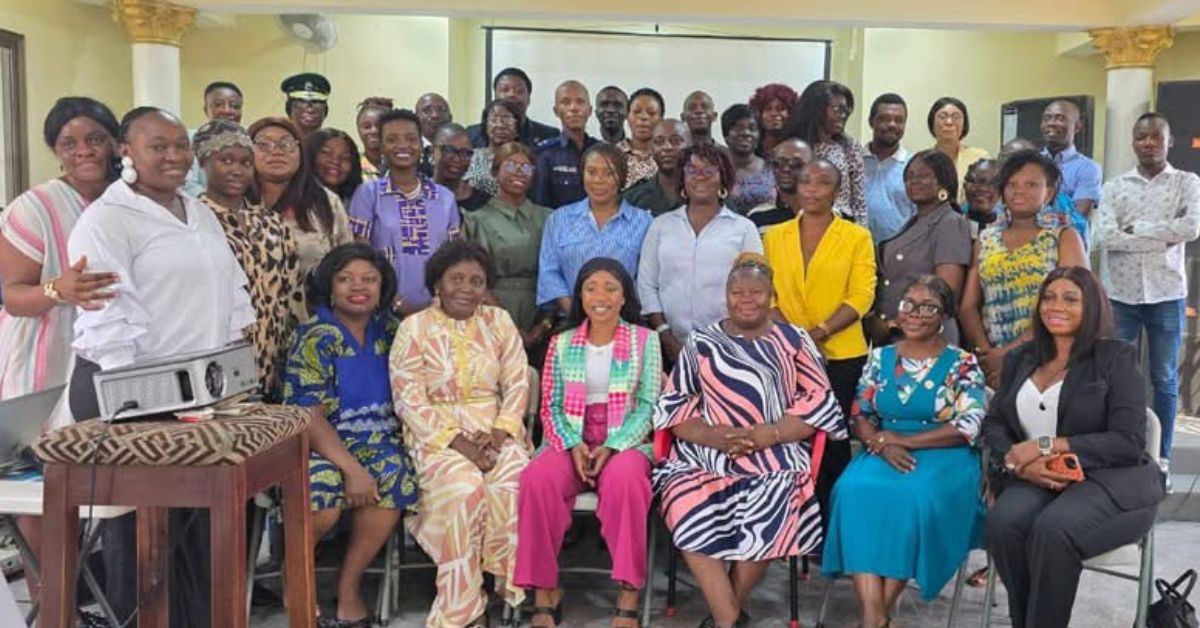
The Ministry of Gender and Children’s Affairs (MoGCA) has concluded a two-day national training workshop for Gender Focal Persons from Ministries, Departments and Agencies (MDAs), aimed at strengthening gender accountability and improving the implementation of the Gender Equality and Women’s Empowerment (GEWE) Act, 2022.
The training, held from 29 to 30 January 2026 in Freetown, focused on the Gender Accountability Framework and practical approaches to gender mainstreaming across government institutions.
According to MoGCA, the workshop was designed to enhance the capacity of Gender Focal Persons to address gender issues, measure progress, ensure accountability, and report effectively within their respective MDAs.

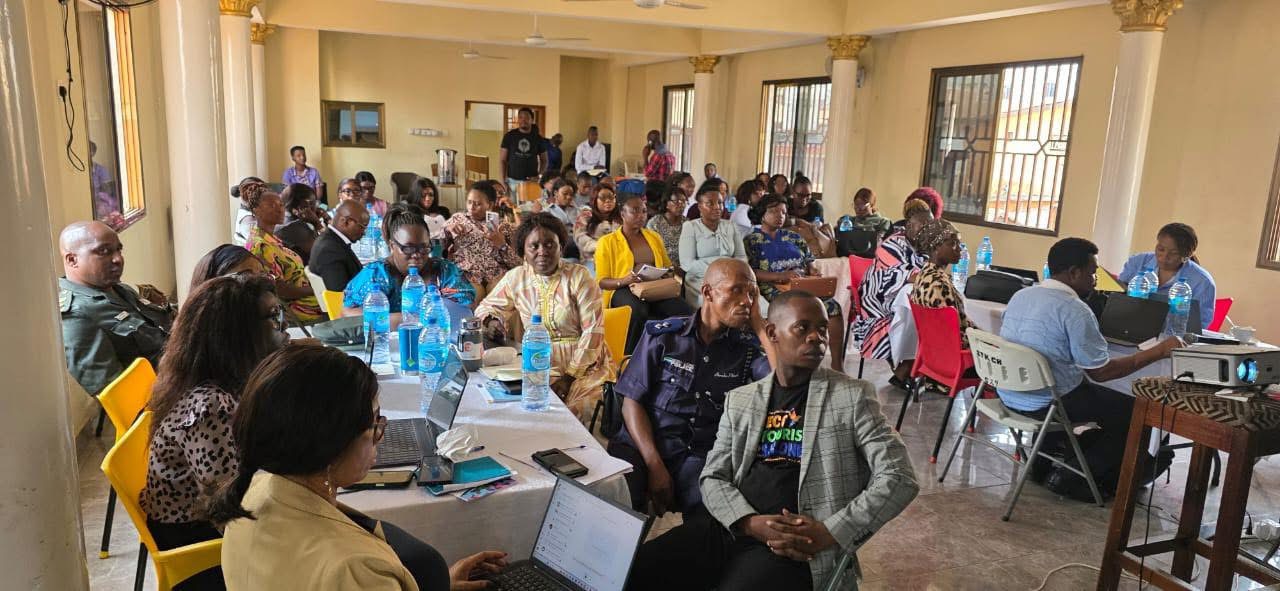
Senior officials of the Ministry of Gender and Children’s Affairs participated in the training, including the Chief Director of Protection, Charles Vandi; Director of Strategic Planning and Policy, Ibrahim Kamara; Deputy Directors Bamie J. Sesay and Harry Mahoi; and Assistant Director at the Planning Directorate, Dennis Joseph Koroma. Representatives from partner institutions also took part in the sessions.
Chairing the opening session, Dennis Joseph Koroma said the training was timely and necessary, noting that it would help address existing gaps in gender accountability and strengthen institutional commitment to gender equality across MDAs.
In his welcome address, Chief Director Charles Vandi commended participants for their commitment to advancing gender equality within their institutions. He described the Gender Accountability Framework as a critical tool for streamlining gender mainstreaming and emphasized the need for data-driven approaches in policy development and institutional capacity building. Vandi also highlighted gender-responsive budgeting as a key instrument for achieving sustainable gender equality outcomes.
Deputy Director Bamie J. Sesay, speaking on the objectives of the workshop, said the training was intended to deepen participants’ understanding of the Gender Accountability Framework and improve their practical skills in gender mainstreaming. He encouraged participants to engage actively, stressing that their contributions were essential to the success of the training.
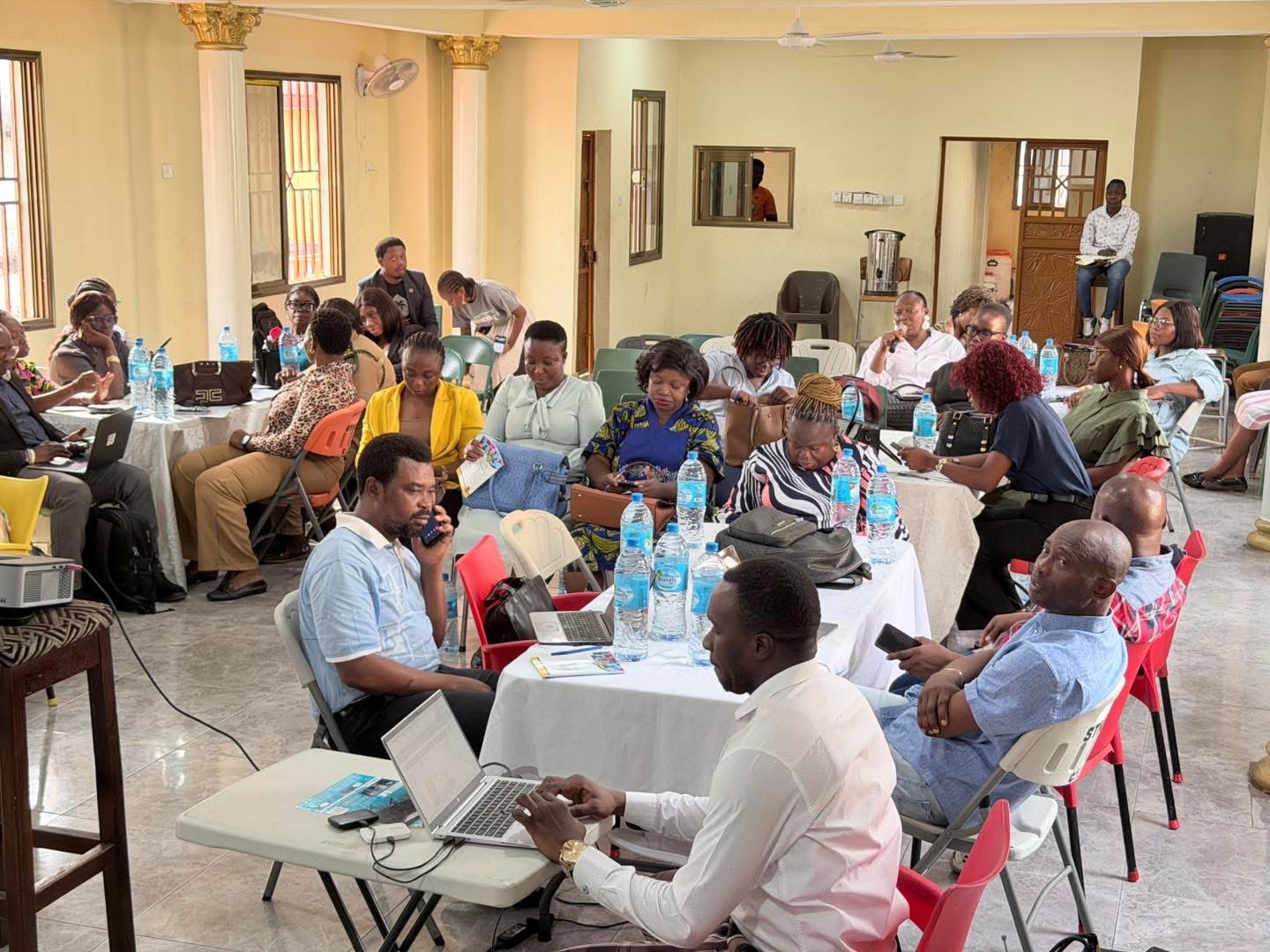
Director of Strategic Planning and Policy, Ibrahim Kamara, delivered a detailed presentation on core gender concepts and inclusion strategies. He explained gender roles, responsibilities, behaviours and expectations, and emphasized women’s empowerment, rights and family planning as priority areas. Kamara noted that effective gender mainstreaming requires awareness, institutional ownership, supportive structures and clearly defined roles.
On gender-responsive budgeting, Aminata Mansaray from the Ministry of Finance explained that the approach was introduced in 2025 with support from the IMF/AFWZ to promote fair and equitable allocation of resources.
She identified challenges including weak sector prioritization, limited operational roles for Gender Focal Persons and insufficient integration of gender considerations in decision-making. She recommended improved awareness, stronger gender-disaggregated data and increased fiscal prioritization for gender issues.
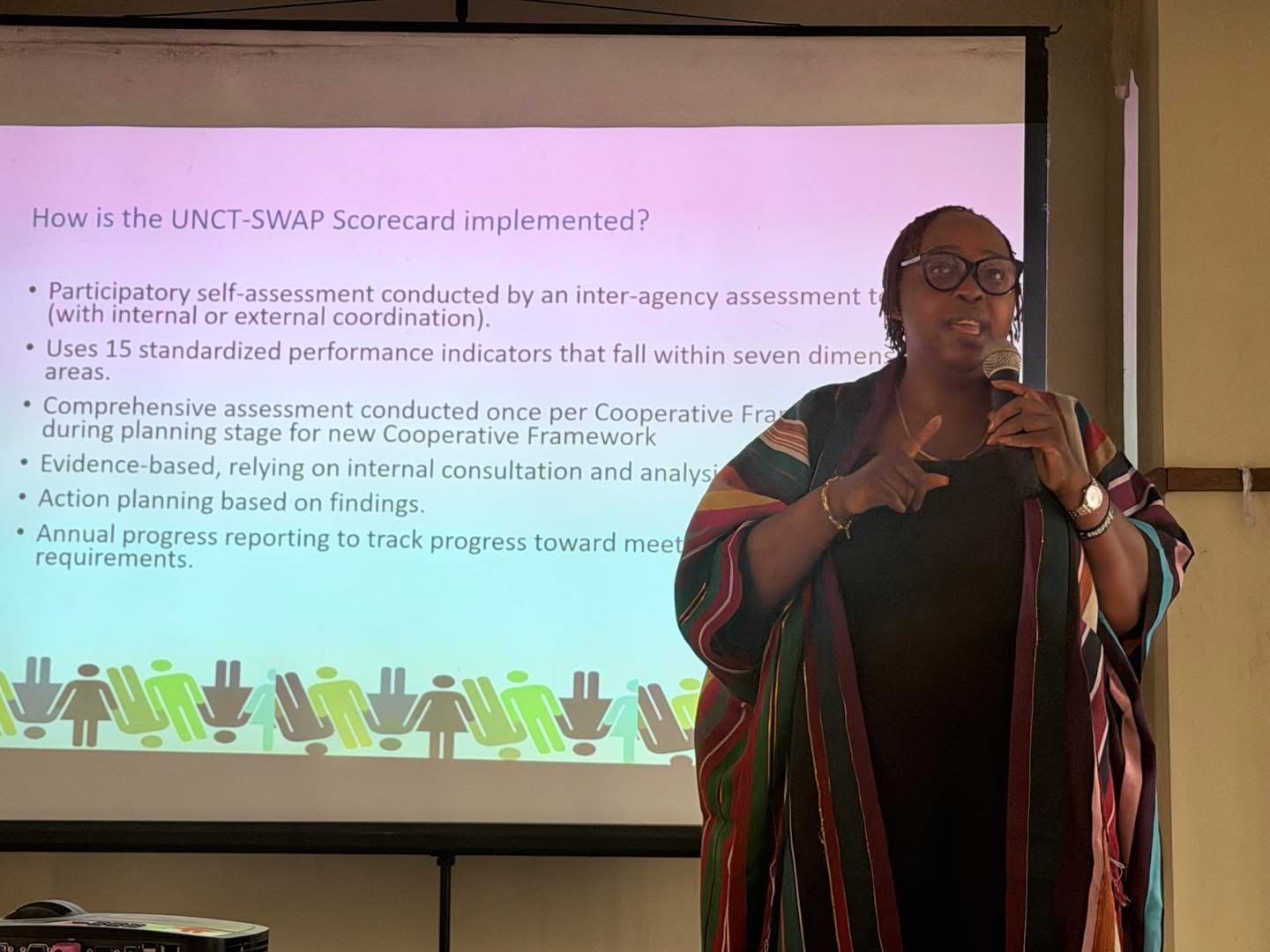
The second day of the workshop focused on technical discussions and reflections. Baindu Massaquoi, Programme Specialist at UN Women, presented on the UNCT-SWAP Scorecard, highlighting its importance in assessing gender equality and women’s empowerment across planning, programming, results and institutional gender architecture.
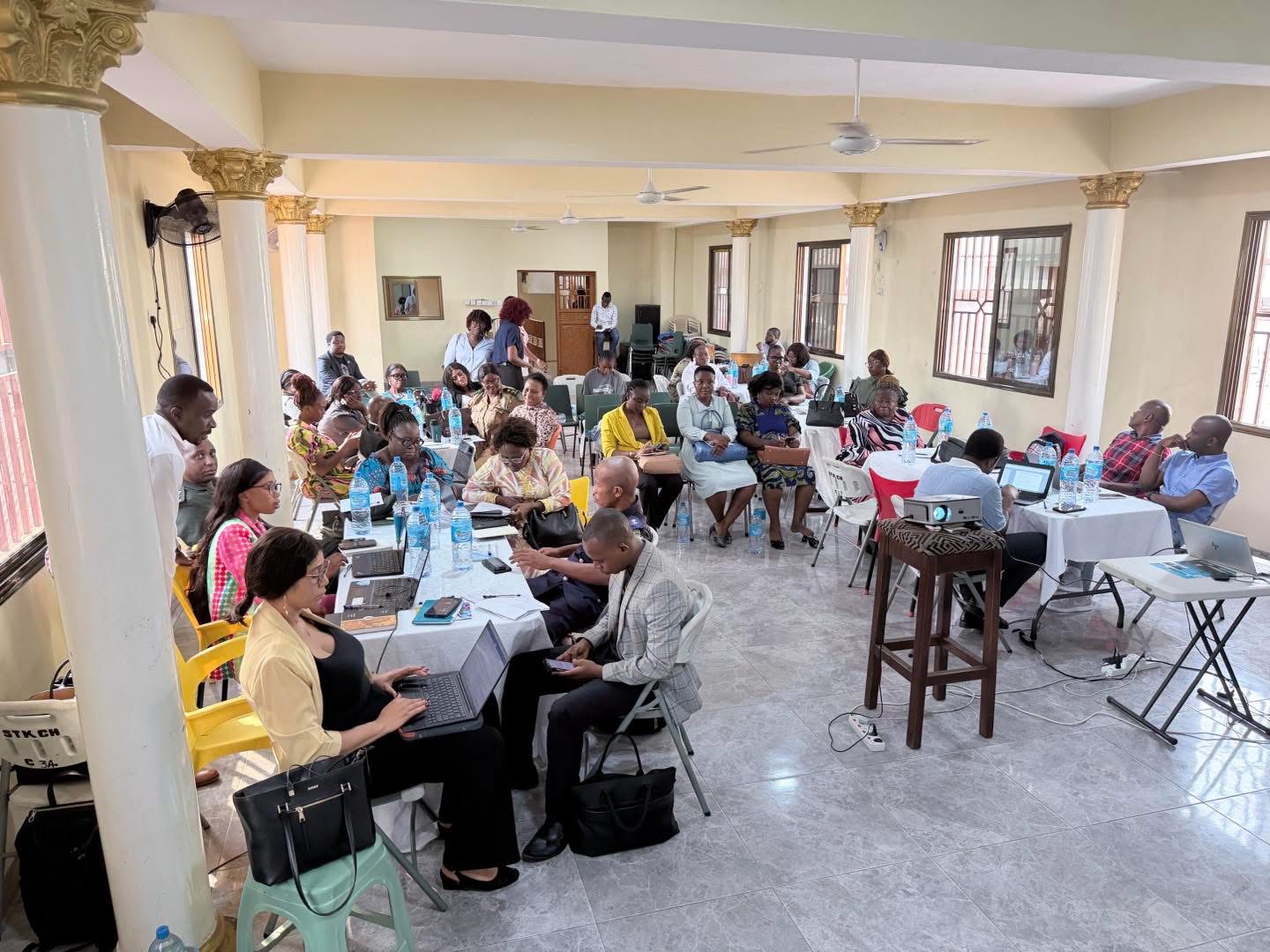
Saimatu Fofanah from Statistics Sierra Leone emphasized the role of data in gender mainstreaming, stating that effective data organization, analysis and evidence-based decision-making are essential for achieving sustainable gender outcomes.
At the climax of the training, Director Ibrahim Kamara delivered an in-depth presentation on the GEWE Act, outlining its objectives and key provisions. He highlighted the Act’s goal of promoting women’s participation in decision-making, including the target of 30 percent representation of women in Parliament, public offices and leadership positions.
He also noted provisions on non-discrimination in employment, protection against dismissal due to pregnancy and preferential inclusion of women in public appointments.
The training ended with participants reaffirming their commitment to applying the Gender Accountability Framework and implementing the GEWE Act to strengthen gender mainstreaming and promote gender-responsive budgeting across all MDAs.


