

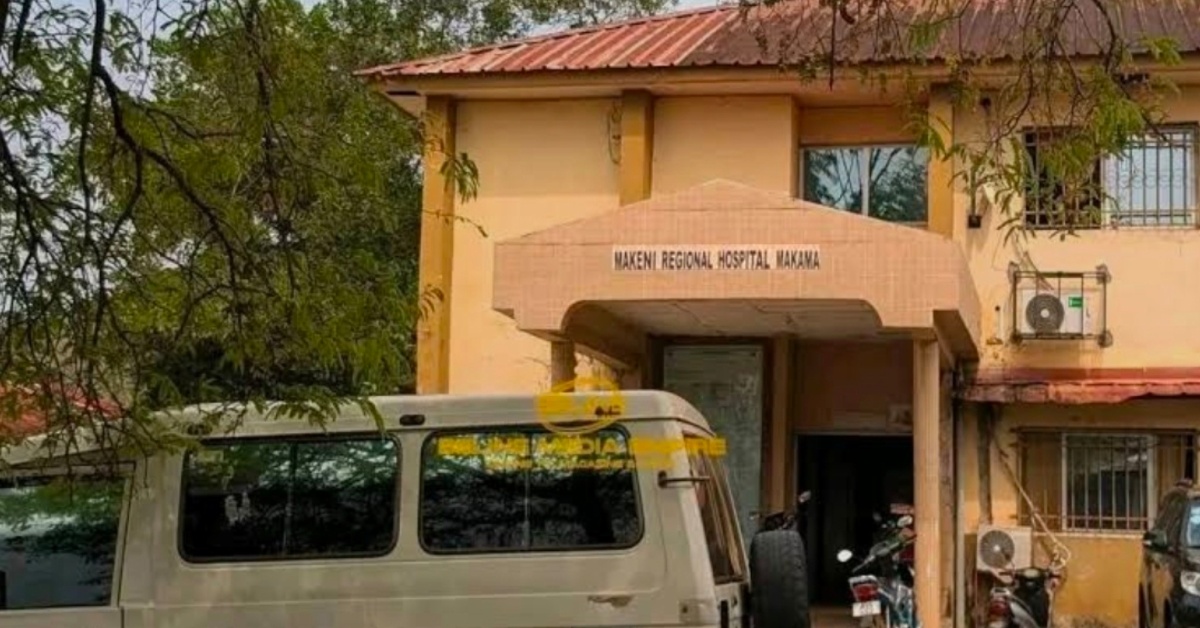
Audit Report Exposes Procurement Gaps, Staff Irregularities at Makeni Regional Hospital
 Aaron Parker
 The 2024 Auditor General’s Report has revealed serious procurement lapses and staffing irregularities at Makeni Regional Hospital, raising concerns over financial management and compliance with public health policies at one of the country’s key referral facilities.
According to the report, the hospital failed to ensure full compliance with procurement agreements relating to the supply of dietary items. Audit findings show that a contractor did not deliver food supplies valued at NLe 503,115 between January and September 2024, while hospital management did not provide adequate documentation or evidence to justify the shortfall.
The audit also uncovered significant weaknesses in the administration of the Free Health Care (FHC) programme, which provides free medical services to children under five, lactating mothers, and persons with disabilities. The report disclosed that the hospital did not receive drugs under the scheme for three out of four quarters in 2024. Only the maternity unit received partial supplies, amounting to 27 percent of its expected allocation for the year.

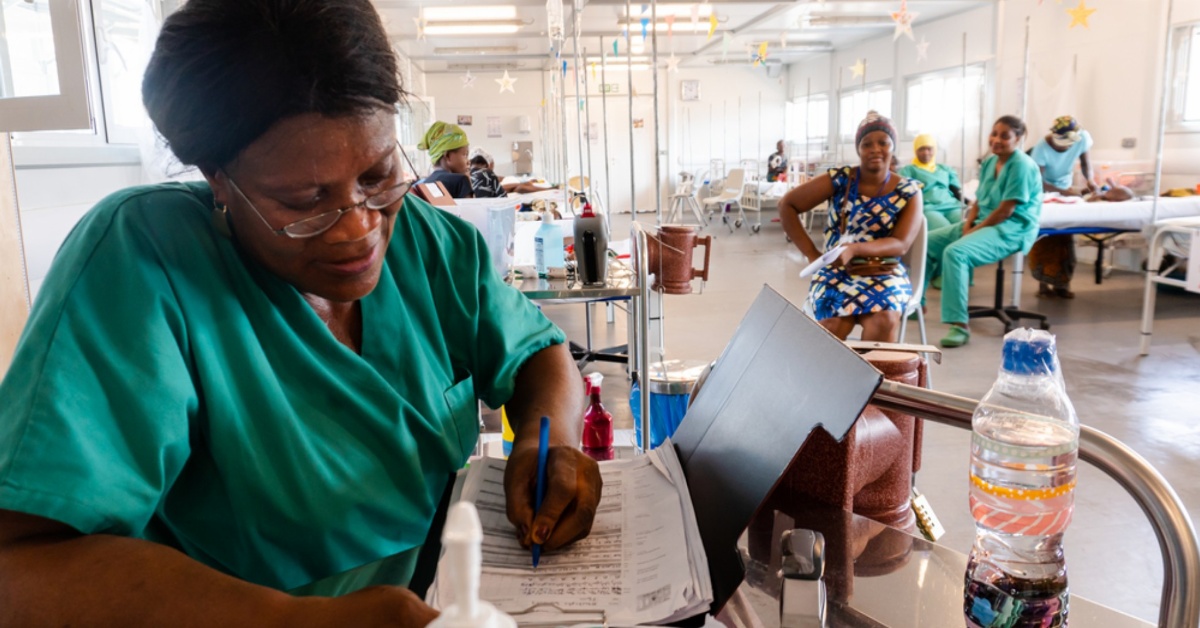
Staffing deficiencies further compounded the situation. The Auditor General noted that both the Free Health Care pharmacy and the Public Private Partnership (PPP) pharmacy failed to operate on a 24-hour basis due to severe personnel shortages. Only three staff members were assigned to the FHC pharmacy, while the PPP pharmacy was reportedly operated by a single staff member, undermining service delivery and forcing patients to pay for drugs meant to be provided free of charge.

More alarming were findings related to payroll management. Out of 36 staff members listed on the hospital’s payroll, only 10 were physically verified during the audit exercise. The remaining 26 unverified workers, classified as ghost staff, were paid a total of NLe 1,012,200 in salaries in 2024, according to the report.
Beyond financial and staffing concerns, the audit highlighted deteriorating infrastructure and shortages of essential medical equipment and drugs across several departments and wards. A physical inspection conducted by Audit Service Sierra Leone confirmed widespread deficiencies, reinforcing public concerns over the condition of the hospital.
In its recommendations, the Auditor General called on the Permanent Secretary and the Assistant Director of Procurement at the Ministry of Health to ensure the immediate supply of all outstanding dietary items by the contractor. The report further advised that failure to comply should result in the recovery of the full outstanding amount for repayment into the state’s coffers.
The audit noted that the issues remained unresolved at the time of publication, with the Medical Superintendent and the Hospital Secretary limited to supervisory roles over dietary supplies following the audit intervention.