
Brigadier General Sheik Sulaiman Massaquoi: Sierra Leone’s First Chief of Staff of the ECOWAS Standby Force
 Sahid Bangura
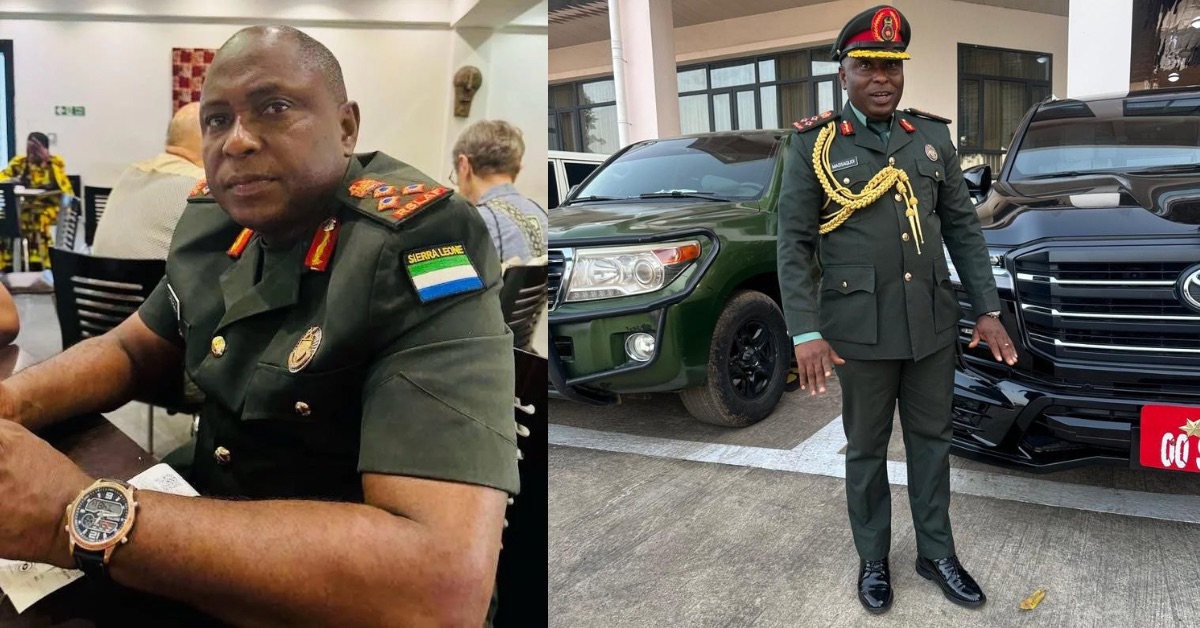
 Brigadier General Sheik Sulaiman Massaquoi has successfully etched his name into our history books as the first Sierra Leonean to be appointed Chief of Staff of the ECOWAS Standby Force, a critical role in our sub-regional security architecture.
His appointment projects Sierra Leone’s growing influence in multilateral peacekeeping and conflict resolution efforts right across the Economic Community of West African States.
As Chief of Staff, Brig. Massaquoi will oversee Operational Planning, Logistics, and coordination for the Standby Force: a multinational brigade-sized unit that’s is designed for rapid deployment in crises – which includes coups, insurgencies, and in cases of humanitarian emergencies.

The Stanby Force, which was Established in 2004 as part of the ECOWAS Protocol on Conflict Prevention, has played instrumental roles in recent missions like stabilizing Mali and Guinea-Bissau, drawing on contributions from member states to Promote Peace and Stability in a Region that is too often plagued by political instability and terrorism.
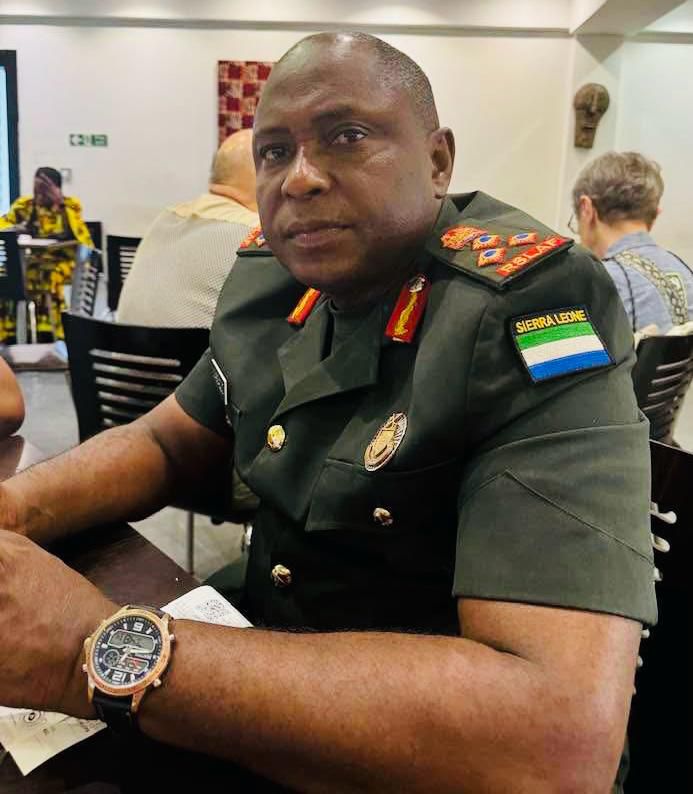
Brig. Massaquoi’s journey to this prestigious position began in 1994 when he joined the Republic of Sierra Leone Armed Forces (RSLAF), earning him his first commission on June 16, 1995. He is an alumnus of the Great Bo School – which has produced numerous figures across the country and beyond.
Brig. Massaquoi rose steadily through the ranks, and throughout his career, has demonstrated an exceptional leadership and strategic acumen. His career spans a wide array of roles, where he started off as a Platoon Commander, later progressing to Adjutant, Company Commander, Commanding Officer of Intelligence, and Commanding Officer of the 4th Infantry Battalion.
He has served as Chief of Operations, Chief Planning Officer, Chief of Staff, Director of Military Intelligence, Staff Officer at the National Joint Operations Center, Commandant of the Joint Logistics Unit, and Acting Director General of the Sierra Leone Correctional Services.
Currently, he holds the position of Assistant Chief of Defense Staff for Logistics and Equipment Support at the Defense Headquarters in Freetown, where his expertise in supply chain management and resource allocation has been crucial to modernizing the RSLAF.
To complement his operational experience, comes an impressive portfolio not only in military service, but also academic training from around the world. Brig. Massaquoi completed the Junior Staff Course at the Ghana Armed Forces Command and Staff College and the Combat Team Commanders Course at the Ghana Armed Forces Military Training Academy in Accra.
In the United States, he earned diplomas in Basic Military Intelligence Officer and Captain’s Career Military Intelligence courses at the U.S. Army Intelligence Center in Fort Huachuca, Arizona, as well as a Diploma in Equal Opportunity Advisory from the Defense Equal Opportunity Management Institute in Florida.
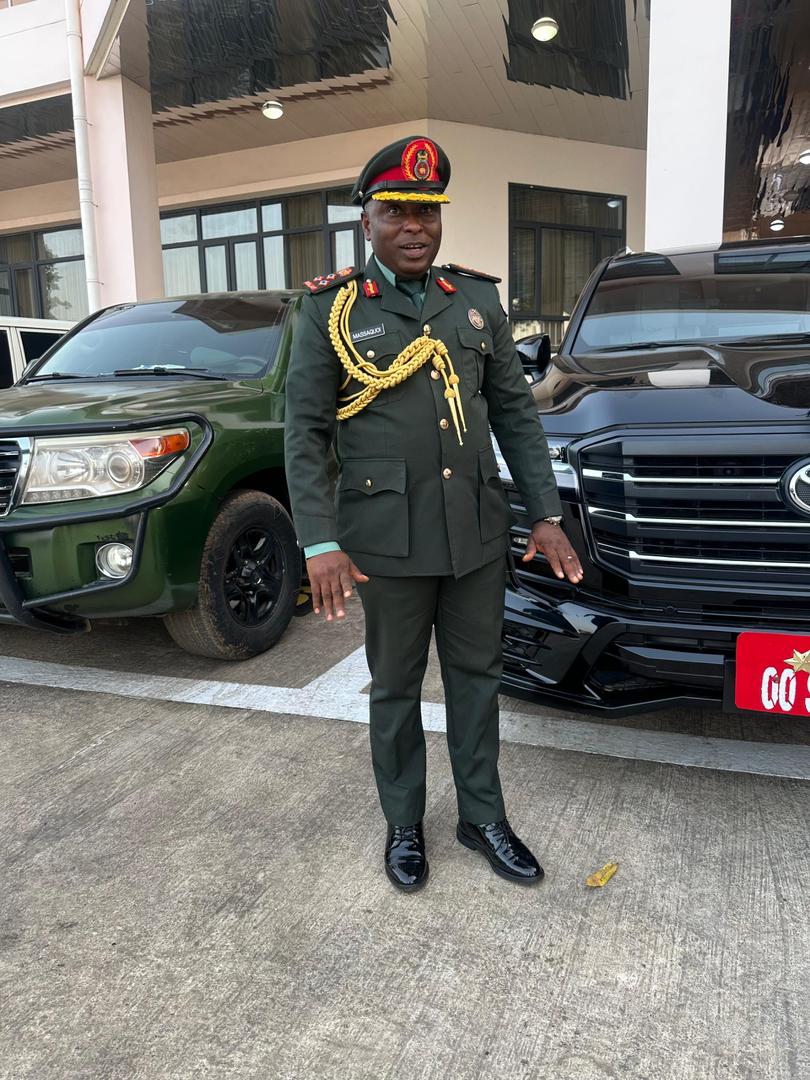
He further specialized in Civil-Military Responses to Terrorism at the Naval Postgraduate School in Monterey, California. Brid. Massaquoi also attended the Senior Staff Course at the Defense Services Command and Staff College in Mirpur, Bangladesh, where he graduated with a Master of Science in Military Studies from the Bangladesh University of Professionals.
He also holds a Master of Arts in Strategic Security Studies from the National Defense University in Washington, D.C., and a certificate from the 30th Regional Senior Mission Leaders’ Course at the International Peace Support Training Center in Nairobi, Kenya.
Beyond his military credentials, Brig. Massaquoi is a scholar with a Bachelor of Science (Honors) in Political Science and a Master of Science in Diplomacy and International Relations, both from Fourah Bay College, University of Sierra Leone. His academic background has played critical roles in his approach to International Relations, where he has laid numerous emphasis on diplomacy being a tool for conflict prevention instead of the opposite.
On the ground, Brig. Massaquoi has served as a peacekeeper with the United Nations Multidimensional Integrated Stabilization Mission in Mali (MINUSMA), where he contributed to efforts combating jihadist groups and supporting civilian protection in one of Africa’s most volatile regions from 2013 onward.
His tenure in Mali honed his skills in multinational operations – which has prepared him for the complexities of leading the ECOWAS Standby Force, that integrates troops from 15 member states, aligning with the African Union’s broader peace and security framework.
This historic appointment cannot be talked about without reflecting on the broader strides Sierra Leone has made under the Leadership of President Julius Maada Bio. Bio himself, a former military officer, who briefly led Sierra Leone in 1996 before handing over power to civilian rule, prioritised elevating Sierra Leone’s global profile through strategic placements of its citizens in international roles.
In both quiet and loud spaces, his administration has fostered diplomatic ties that have seen Sierra Leoneans appointed to key positions, such as Ambassador Fatima Bio’s advocacy at global forums on women’s rights. More prominently, Bio’s push for regional integration has yielded loud gains, including Sierra Leone’s election to the UN Security Council as a non-permanent member for 2024-2025 – the first time since 1970-1971, where it championed the African perspectives on peace and climate security.
By nominating and supporting figures like Brig. Massaquoi, President Bio is positioning Sierra Leone as a proactive contributor to ECOWAS and AU mechanisms, enhancing the country’s soft power and attracting foreign investment in sectors like mining and agriculture.
These efforts align with Bio’s “New Direction” agenda, which emphasizes Human Capital Development and Anti-corruption reforms, resulting in improved rankings on global indices like the Ibrahim Index of African Governance.
Brig. Massaquoi’s role comes at a critical juncture for ECOWAS, amid challenges like the withdrawal of Burkina Faso, Mali, and Niger in 2024 following military coups, which strained the bloc’s unity. As Chief of Staff, he will play a key part in revitalizing the Standby Force, potentially leading exercises like the annual “Durbar” simulations and advocating for increased funding from the ECOWAS Peace Fund.
His appointment not only honors his three decades of service but also signals Sierra Leone’s commitment to collective security, inspiring a new generation of leaders from the Mano River Union region.
We salute you Sir.