

British High Commission Delegation Visits Bonthe Government Hospital
 Lamin Sheik Kamara
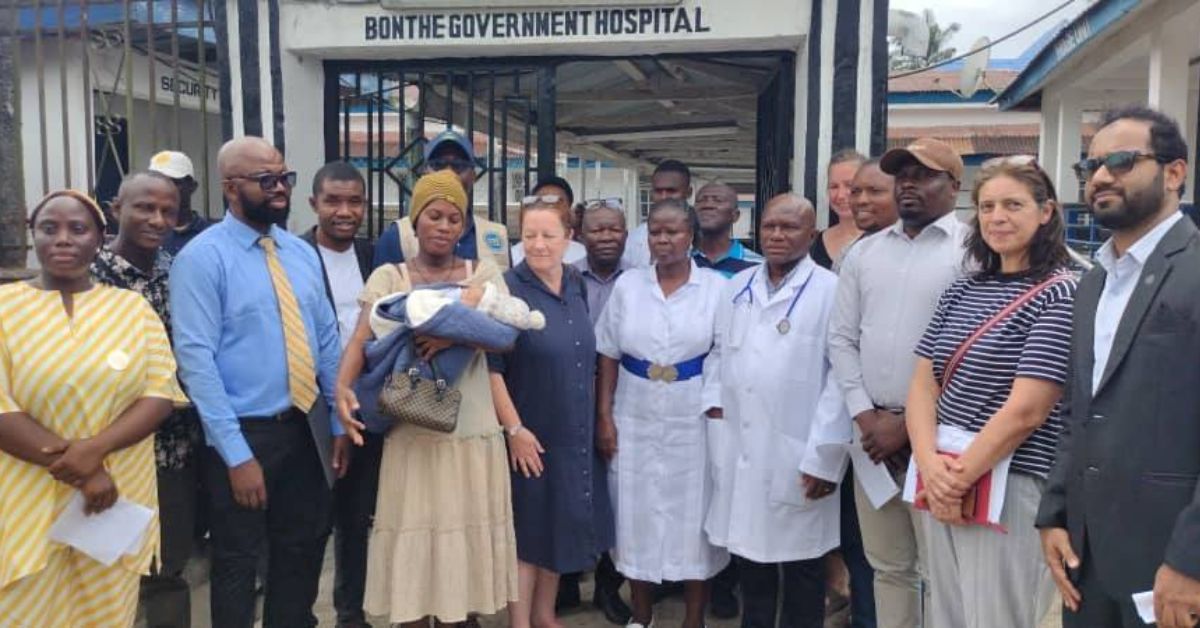
 Bonthe Government Hospital on Tuesday hosted a high-level delegation from the British High Commission as part of ongoing efforts to strengthen healthcare infrastructure through reliable and sustainable energy solutions.
The delegation was accompanied by Mr. Maurice Ferenkeh, Adviser to the Minister of Health on Programme Quality and Energy, and representatives of EM-ONE Engineering Company, the main construction and technical partner responsible for the hospital’s solar electrification project. The visit forms part of the Government of Sierra Leone’s broader strategy to provide dependable electricity to healthcare facilities, particularly in hard-to-reach districts.
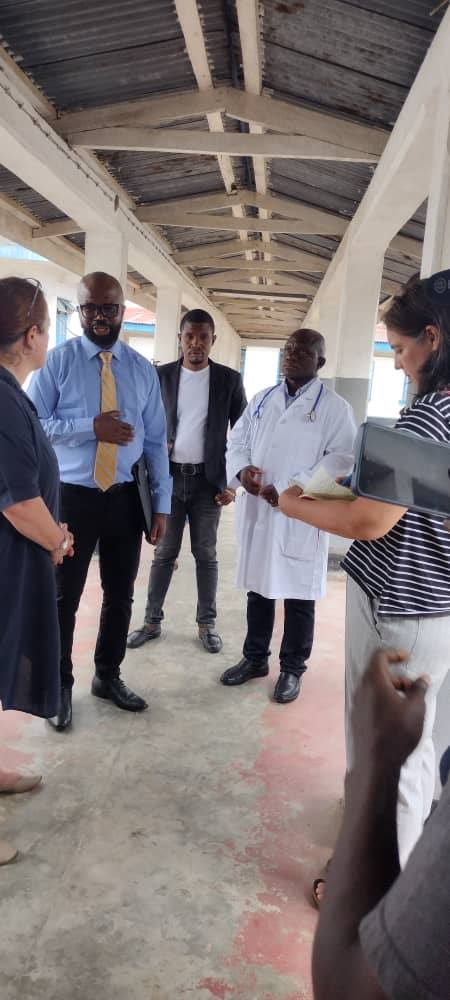

The team was warmly received by the District Medical Officer, Dr. Brima Borbson Sesay, the Medical Superintendent, Dr. Mohamed Darvison Sowa, and the hospital management team, who expressed appreciation for the continued support aimed at improving service delivery and patient care.

During discussions, hospital leadership highlighted the transformative impact of the solar power system across critical service areas, including the Laboratory, Maternity Ward, Special Care Baby Unit (SCBU), Pediatric Ward, Operating Theatre, and inpatient wards. Reliable electricity has significantly improved vaccine and medicine storage, enhanced emergency and surgical services, and created a safer working environment for healthcare staff.
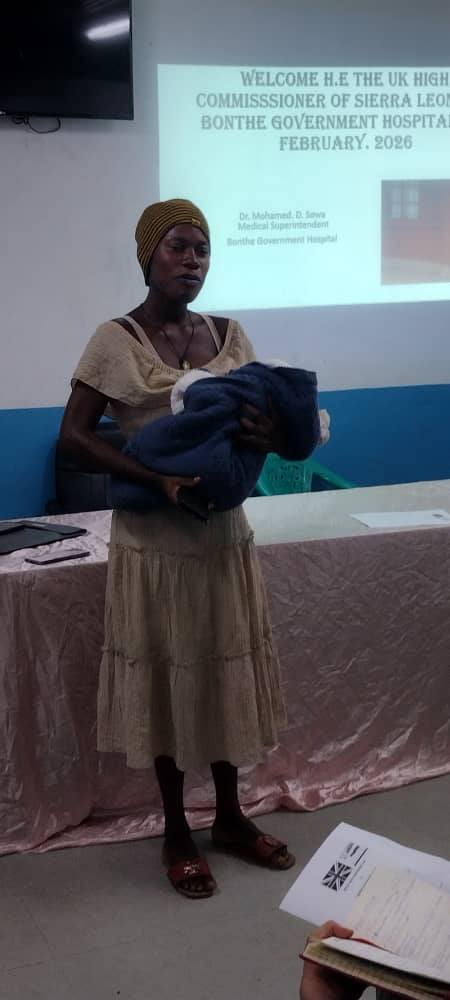
A moving testimony was shared by Madam Agnes, a beneficiary of the hospital’s services, who revealed that her newborn child received uninterrupted oxygen therapy for over ten days due to the availability of constant power — a development she described as life-saving.
Despite these successes, hospital management outlined pressing challenges, particularly frequent power outages during the rainy season and limited battery storage capacity. Currently operating with about 175 solar panels and 27 batteries, the system is increasingly strained by rising service demand and facility expansion. Increased energy consumption, especially when multiple wards require oxygen support, often leads to rapid battery depletion and reliance on standby generators.
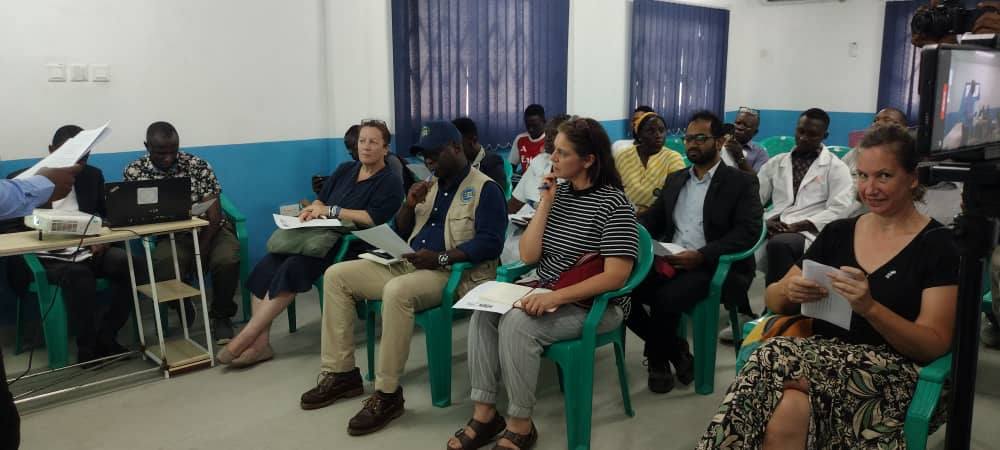
Management appealed for additional solar panels and batteries to sustain operations and support future growth. Commending the hospital for its effective use of the system, the British High Commissioner noted that Bonthe Government Hospital was selected as a pilot site following detailed technical assessments and assured stakeholders that the concerns raised would be reviewed through the Ministry of Health.
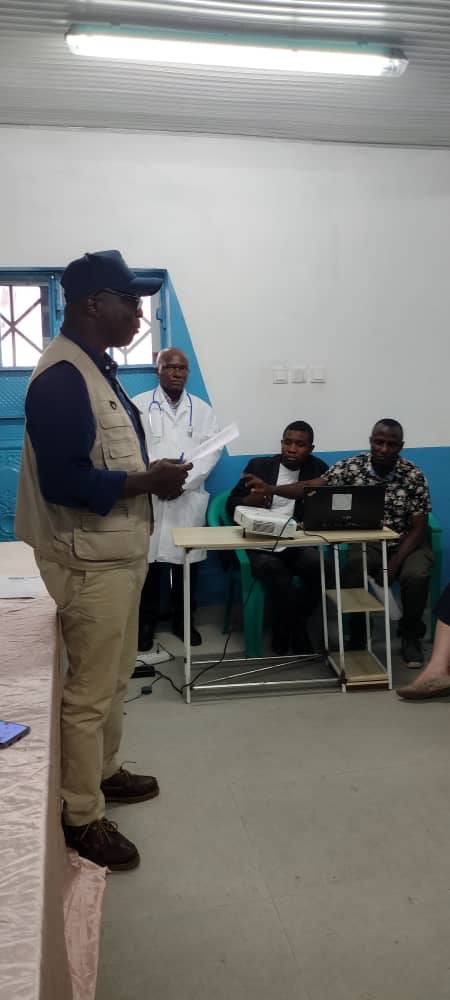
The visit concluded with a tour of the solar farm and ongoing facility expansions, reinforcing a shared commitment to building resilient health systems and ensuring uninterrupted quality care for communities.