

Gender Minister Calls for Removal of Barriers to Women and Youth Political Participation
 Sia Lucy Kannah
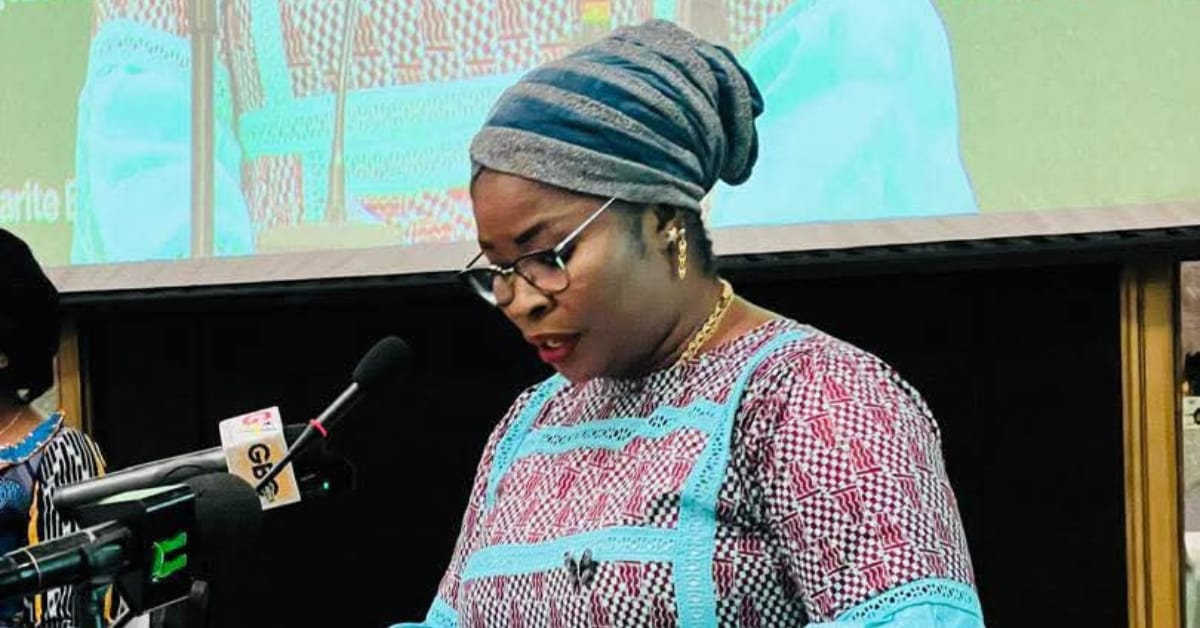
 Isata Mahoi, Sierra Leone’s Minister of Gender, has urged fellow Gender Ministers and development partners to address the legal, cultural, economic, and institutional barriers that prevent women and youth from fully engaging in politics.
She emphasized the need to develop a collective roadmap aligned with ECOWAS Vision 2050, the African Union Agenda 2063, and the United Nations Sustainable Development Goals.
Minister Mahoi made the remarks during the ongoing regional consultation on political participation and leadership of women and youth in West Africa, a four-day engagement organized as part of ECOWAS’ 50th Anniversary Legacy Project.

Delivering her opening statement as Chair of the ECOWAS Ministers responsible for gender, Minister Mahoi described the gathering as a pivotal moment in the region’s democratic journey. She noted that the consultations aim not only to deliberate but also to reaffirm a collective commitment to inclusive governance.
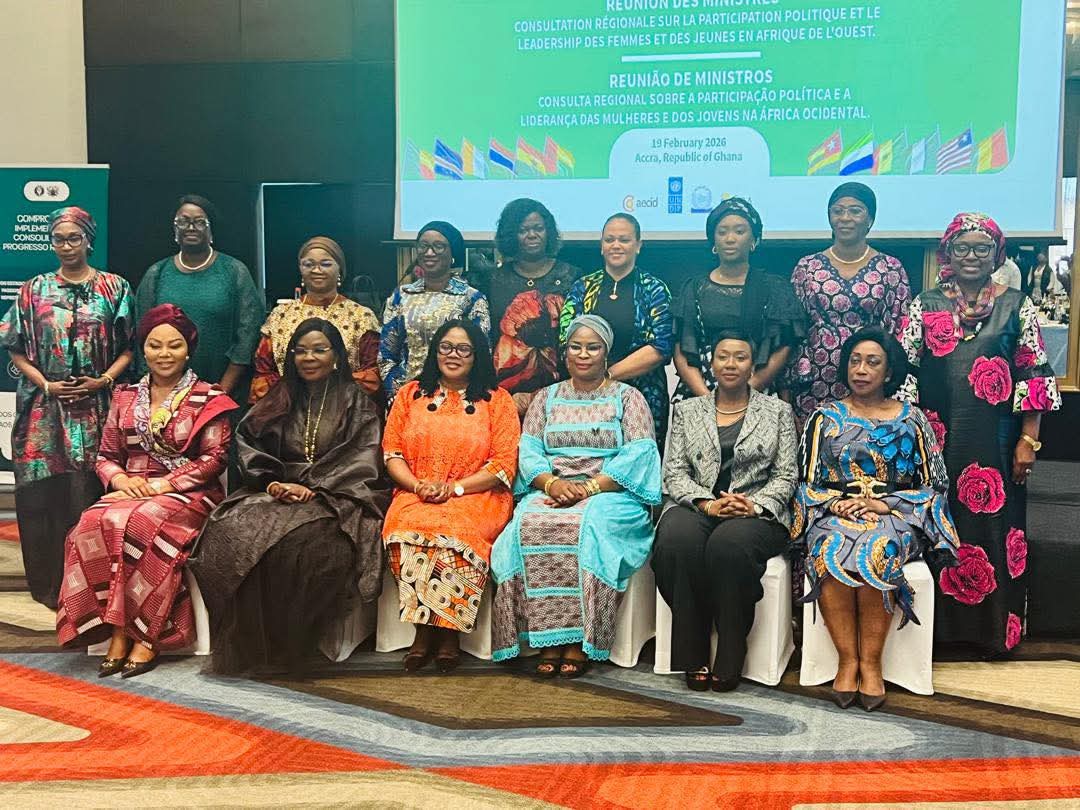
“The voices of women and youth are indispensable to the future of our democracies. Yet, despite their numbers, energy, and contributions, they remain underrepresented in political decision-making across our region,” she said.
She added that political participation should be measured not only by numbers but also by the influence, leadership, and policy-shaping capacity that women and youth bring. According to Minister Mahoi, their engagement enriches governance, strengthens accountability, and ensures more resilient and equitable societies.
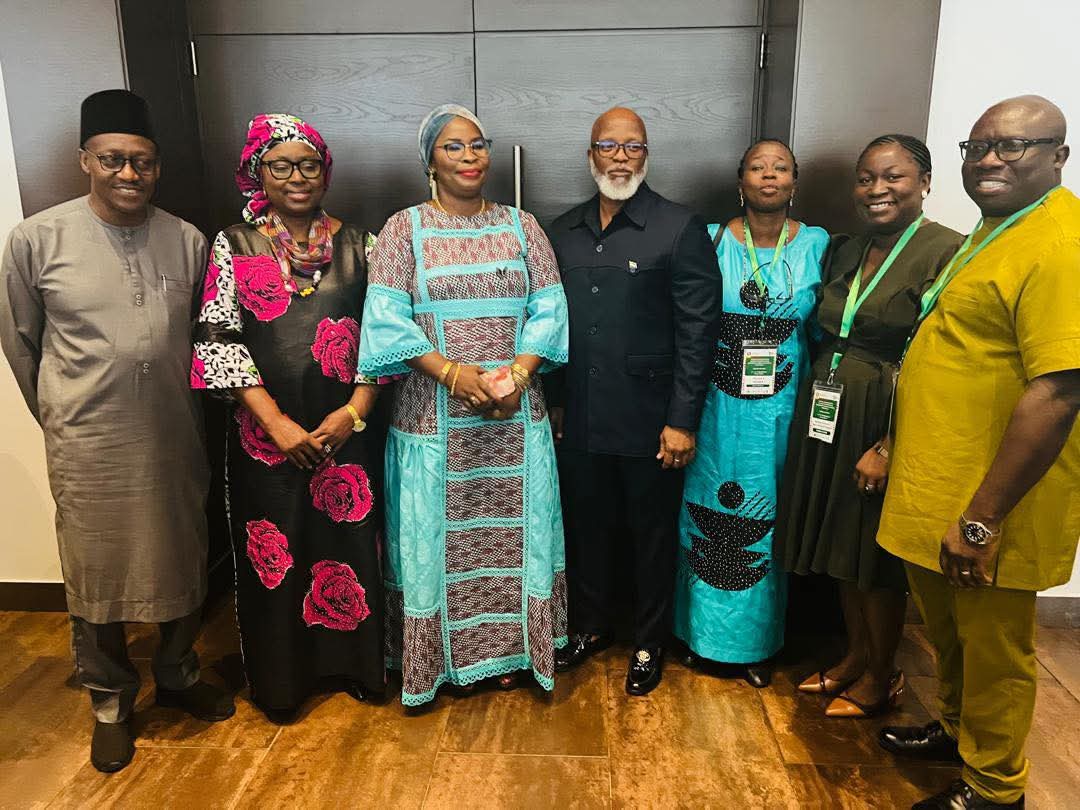
The Minister called on Gender Ministers, partners, and participants to use the platform to reaffirm their commitment to dismantling barriers, ensuring that women and youth are not merely participants but active leaders and decision-makers. She also encouraged sharing best practices and innovative strategies from member states, deliberating on a draft declaration on gender parity, and forwarding it to the Authority of Heads of State for approval.
Minister Mahoi extended her gratitude to the government and people of Ghana for hosting the consultations and thanked partners and stakeholders for their continued support in advancing gender equality, women and youth empowerment, and inclusive governance across the region.