

Environment Ministry Consults Stakeholders on National Climate Data Dashboard Initiative

 Osman Tolo Sesay
 The Ministry of the Environment and Climate Change (MoECC) has held a stakeholder consultation in Freetown to initiate the development of a national Climate Data Dashboard aimed at strengthening coordination and resilience in response to climate change.
The proposed initiative is being developed in collaboration with the Directorate of Science, Technology, and Innovation (DSTI) and with support from UNICEF. The one-day engagement, hosted at UNICEF’s headquarters in Freetown, brought together representatives from Ministries, Departments and Agencies (MDAs), development partners, and civil society organizations.
According to organizers, the digital dashboard is intended to provide a centralized platform for mapping climate change actors and activities across Sierra Leone. Once operational, it will facilitate systematic data collection and analysis on institutions and organizations working in the climate and environmental sectors, enhancing information-sharing and coordination.

Participants at the consultation reviewed proposed data fields, assessed user flow, and examined the overall functionality of the system through interactive sessions. Feedback gathered during the engagement is expected to inform the refinement and development of the platform.

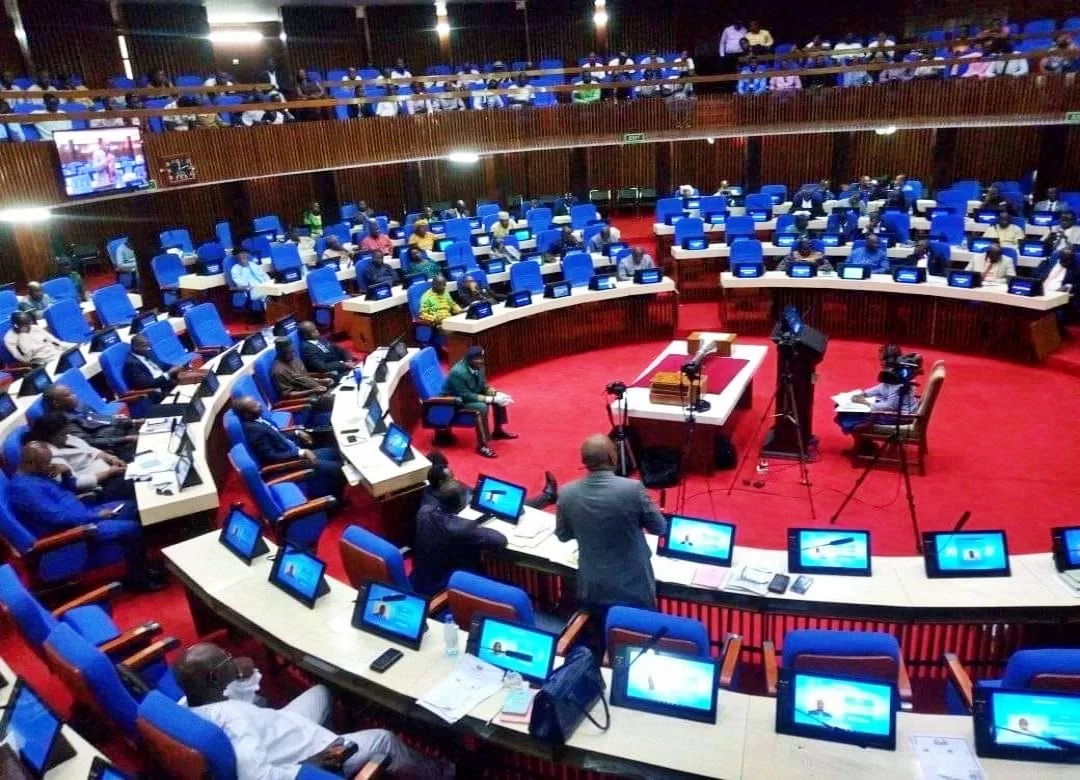

Delivering the keynote address, Director of Environmental Emergencies, Lahai Samba Keita, underscored the broader significance of the initiative within the context of Sierra Leone’s climate challenges. He noted that the country continues to face coastal erosion, recurrent flooding, shifting rainfall patterns, and other forms of environmental degradation.
Keita stated that improved coordination, reliable data, and strengthened partnerships are essential to addressing these challenges effectively. He described the Climate Data Dashboard as a step toward improving environmental management and enhancing collaborative climate action nationwide.
The consultation concluded with plenary discussions during which stakeholders provided recommendations aimed at ensuring the platform reflects diverse institutional needs while contributing to Sierra Leone’s climate resilience agenda.
Organizers indicated that inputs from the session will be incorporated into the next phase of development as work progresses toward operationalizing the dashboard.