


 Post a comment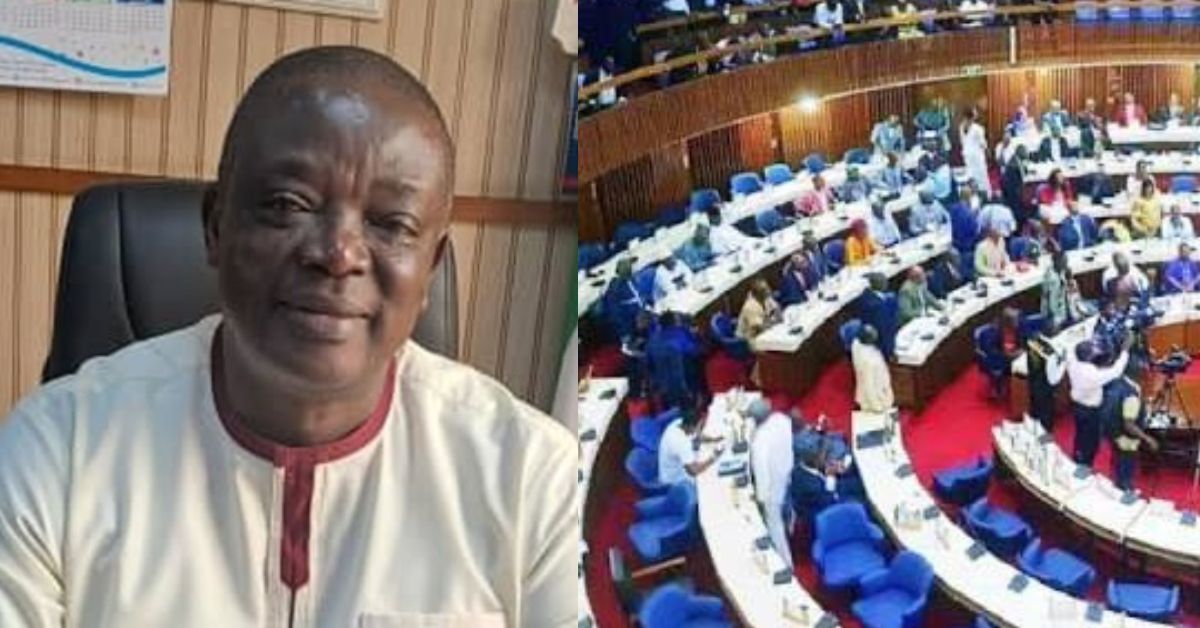
Parliament of Sierra Leone has approved the appointment of Edmond Sylvester Alpha as Chief Electoral Commissioner and Chairperson of the Electoral Commission for Sierra Leone (ECSL), amid a boycott by Members of Parliament from the opposition All People’s Congress (APC).
Leading the debate, Leader of Government Business Hon. Mathew Nyuma said President Julius Maada Bio acted in accordance with the 1991 Constitution by consulting registered political parties before making the appointment. He rejected allegations that the President had breached constitutional provisions, describing such claims as misleading.
“President Bio is a democrat. Before appointing Edmond Alpha, he formally wrote to all political parties seeking their consultation,” Nyuma told Parliament.

Nyuma further highlighted Alpha’s long-standing service within the Commission, noting that he rose through the ranks from junior staff to senior leadership. According to him, the new Chief Electoral Commissioner possesses extensive institutional knowledge and practical experience in electoral management.
Deputy Majority Leader Hon. Bashiru Silikie also backed the approval, emphasizing Alpha’s professional competence and deep familiarity with the Commission’s operations. Deputy Speaker Hon. Tawa Conteh lent his support as well, urging the new ECSL Chair to strengthen electoral standards, including ensuring that election observers properly present and verify their credentials.
However, the majority of APC Members of Parliament were absent from the Well of Parliament during the approval process, in line with the party’s earlier stance demanding a reversal of Alpha’s appointment.
Meanwhile, APC leadership is reportedly engaging key international stakeholders The including the United States Embassy in Sierra Leone, the European Union Delegation to Sierra Leone, the British High Commission in Sierra Leone, and the ECOWAS Commission, as part of ongoing consultations concerning the appointment and broader electoral reforms outlined in the Tripartite Agreement.
The approval marks another pivotal moment in the country’s post-election political climate, as discussions surrounding electoral governance and institutional reforms continue to shape national discourse.


