

Pujehun District Launches Strong Foundation Project to Boost Maternal and Child Nutrition
 Alhaji Mashalat Sheriff
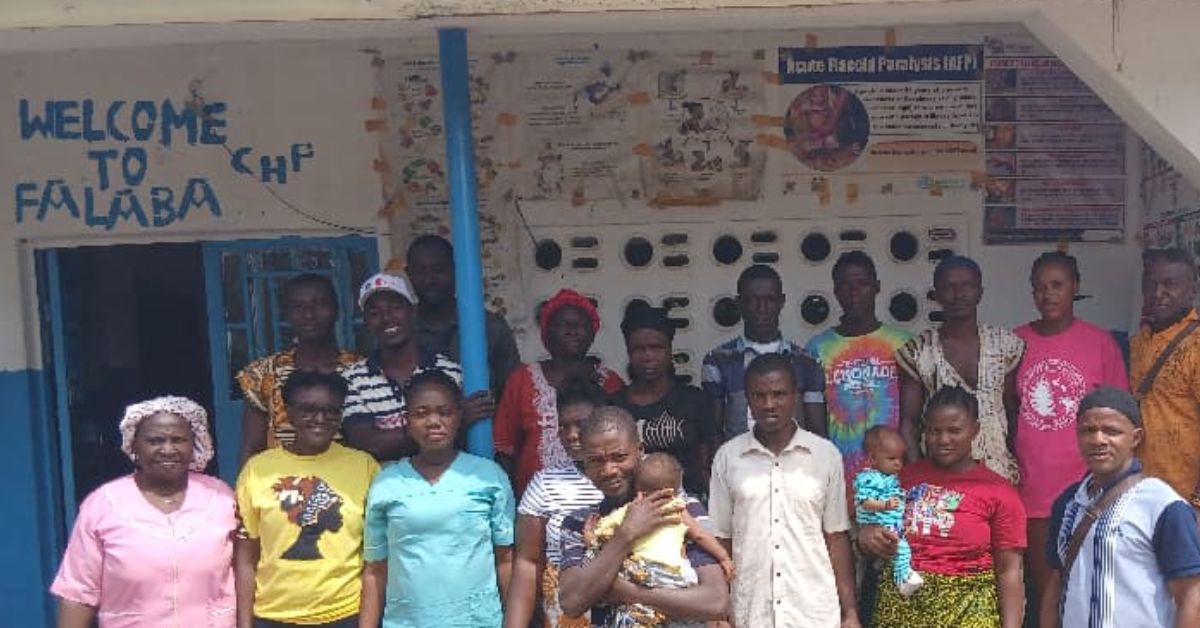
 The Information, Education and Communication (IEC) Officer of the Pujehun District Council, in collaboration with CARE, the Ministry of Agriculture and Food Security (MAFS), and the Ministry of Health and Sanitation, has concluded a four-day community engagement across selected chiefdoms in Pujehun District to introduce the Strong Foundation Project.
The Strong Foundation Project is a 12-month preparatory initiative designed to establish critical systems, infrastructure, and coordination mechanisms ahead of a larger three-year integrated Nutrition and Maternal, Newborn, and Child Health (MNCH) programme scheduled to commence fully in June 2026. The upcoming programme will be implemented by Save the Children through its Pujehun branch.
Prior to the launch of the main programme, the donor, The Church of Jesus Christ of Latter-day Saints, awarded a 12-month preparatory grant valued at USD 1,000,000 to CARE to lay the groundwork for successful implementation. The Strong Foundation Project officially commenced on 1 January 2026 and will conclude on 31 December 2026. It targets two districts: Pujehun and Port Loko District.

Targeting Vulnerable Communities


In Pujehun District, vulnerable communities were identified by the Ministry of Health based on data from Peripheral Health Units (PHUs). The selection process was guided by records of malnourished children and high malnutrition prevalence in specific catchment areas. The project specifically targets vulnerable households, particularly those with pregnant and lactating women and children affected by malnutrition.
Strengthening Systems Before Scale-Up
The overall goal of the project is to improve maternal and child nutrition through community-based interventions that enhance food production, dietary diversity, health education, and Water, Sanitation and Hygiene (WASH) infrastructure.
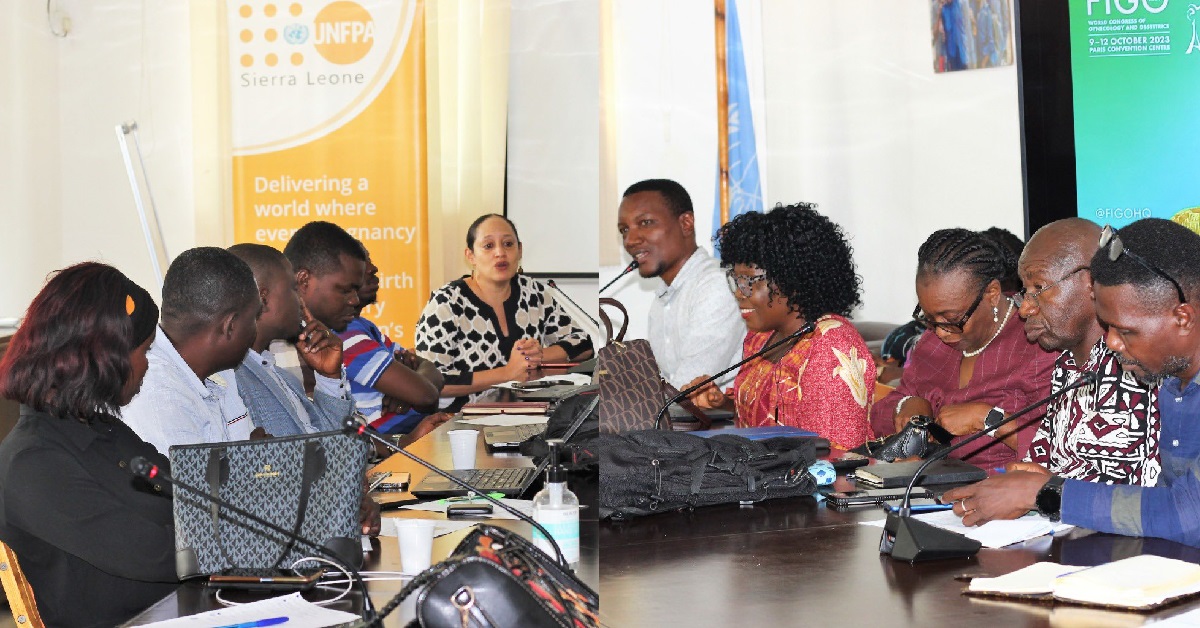
A key focus of the preparatory phase is strengthening coordination among critical stakeholders, including the Pujehun District Council, the Ministry of Agriculture and Food Security, and the Ministry of Health and Sanitation. As the District Council serves as the hub for devolved sectors, Agriculture provides technical leadership in food production, and Health leads on nutrition and MNCH interventions, alignment among these institutions is considered essential for achieving sustainable nutrition outcomes.
Key Interventions and Deliverables
Over the 12-month period, the Strong Foundation Project will deliver several strategic interventions to ensure readiness for the larger programme. These include:
Construction of three boreholes per district, strategically located near greenhouse sites
Establishment of eight Farmer Field School sites
Installation of irrigation systems to ensure year-round farming
Development of greenhouse demonstration plots
Creation of household gardens
Distribution of agricultural inputs and fertilizers
Poultry support, including the provision of chickens to vulnerable women
Deployment of facilitators to monitor crop production and site management
In addition, the project will implement cooking demonstrations, train nurses and Community Health Workers (CHWs), conduct radio sensitization campaigns, and strengthen the use of health-sector nutrition data. Household food production and dietary diversity will be closely monitored at community level through CHWs.
Community Stakeholder Engagement
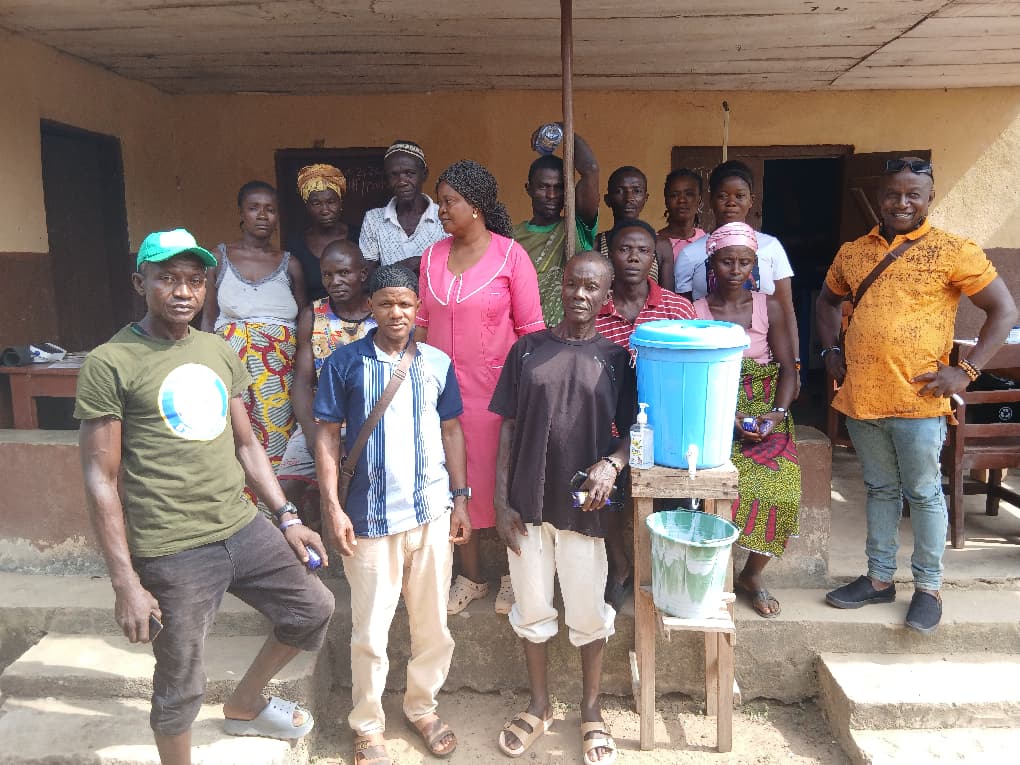
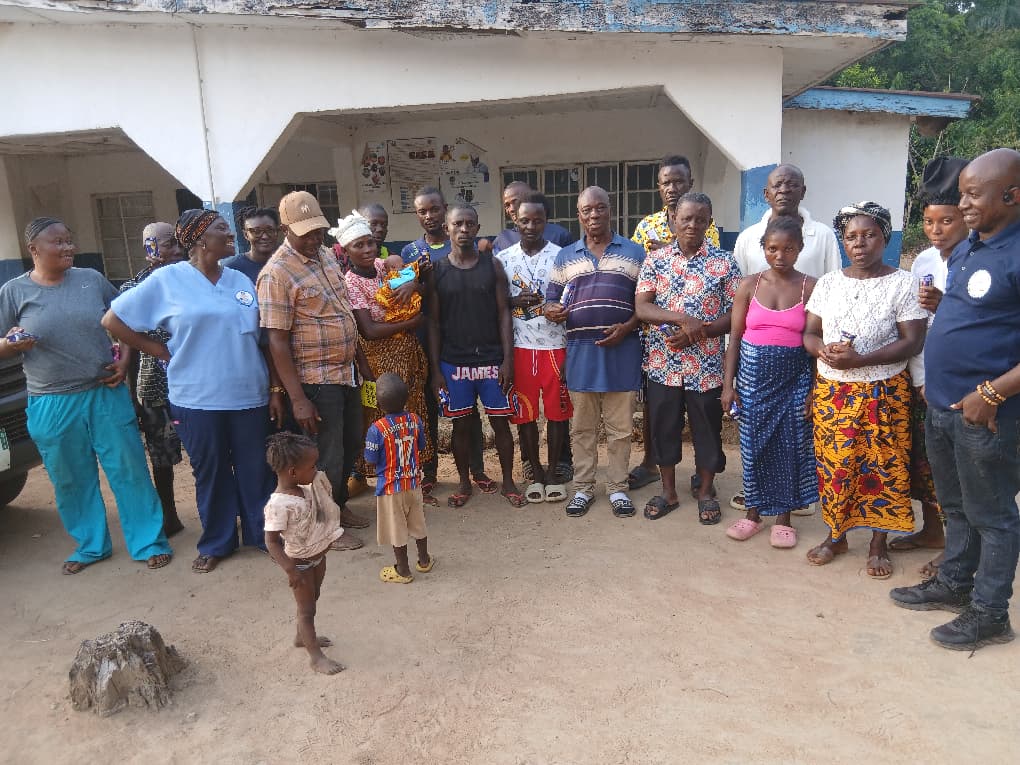
To officially launch activities at community level, CARE organized joint stakeholder engagement missions comprising representatives from the District Council, Agriculture, and Health sectors. During the four-day outreach, teams introduced community members to the project’s objectives, components, donor and implementing partners, beneficiary selection criteria, duration, and expected impact.
Communities were also informed of their roles and responsibilities to ensure ownership and long-term sustainability of the interventions.
Stakeholders described the Strong Foundation Project as a critical step in building the institutional and community structures necessary for the successful implementation of the upcoming three-year nutrition programme, ultimately aiming to reduce malnutrition and improve the health and well-being of mothers and children across Pujehun District.